
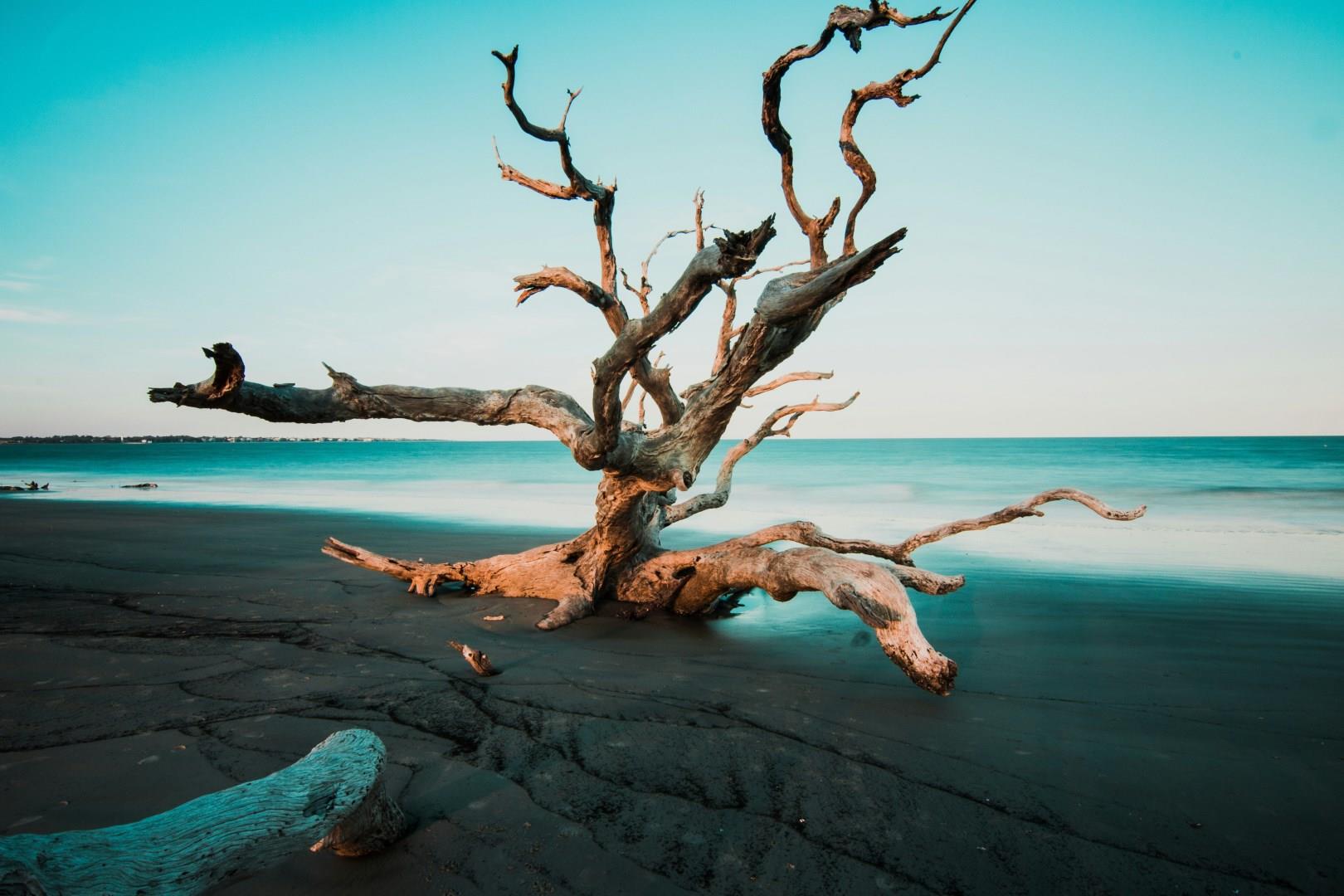
Jekyll Island
Jekyll Island, one of Georgia’s Golden Isles, is a barrier island with a story that stretches from ancient Indigenous cultures to Gilded Age millionaires. Today, it’s a state park carefully preserved for public enjoyment, offering a quiet blend of coastal landscapes, historic landmarks, and outdoor activities. With only a limited number of commercial developments allowed, the island maintains a peaceful, uncrowded atmosphere that’s hard to find on most Southeastern beaches.
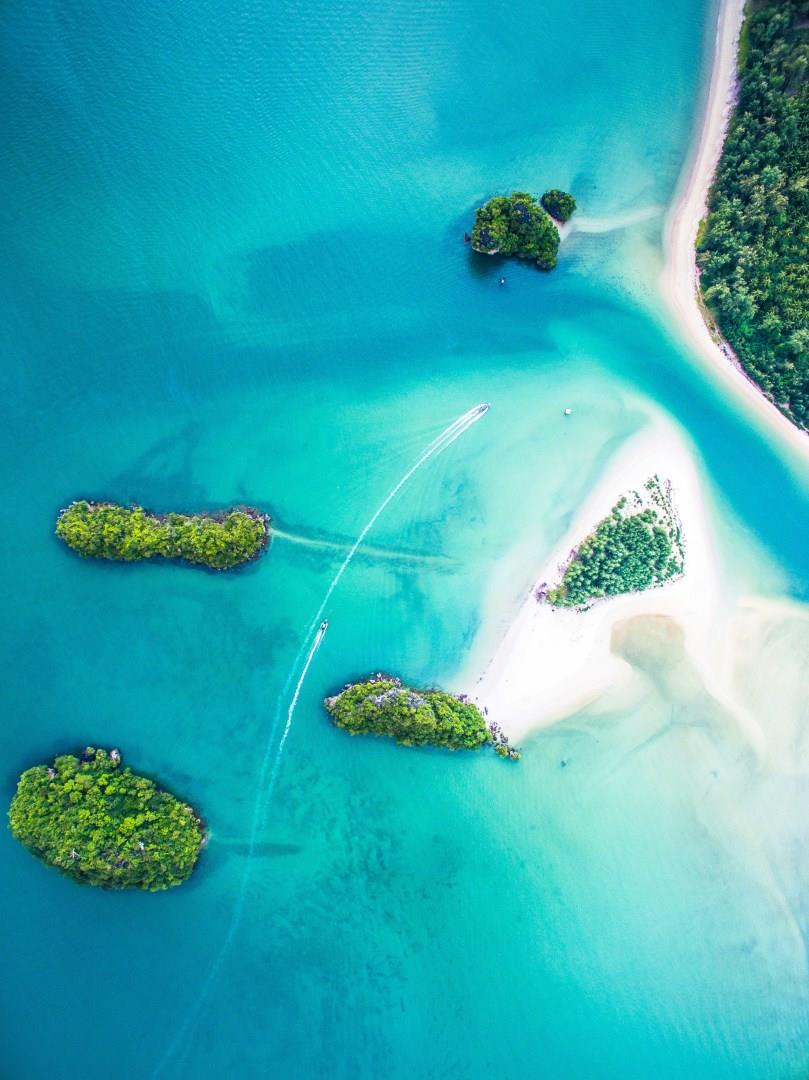
Ao Nang
Ao Nang is a coastal town in Thailand’s Krabi province, set against a backdrop of limestone cliffs that rise abruptly from the shoreline. Once a quiet fishing village, it has grown into a lively seaside hub while still retaining strong ties to the surrounding landscape.

Antananarivo
Antananarivo, Madagascar’s vibrant capital, offers a unique blend of cultural richness and historical depth. Perched on a series of hills, the city’s layout is characterized by its steep streets and traditional architecture. The Royal Palace, or Rova of Antananarivo, is a central landmark, offering a glimpse into Madagascar's royal past. Although much of the palace was destroyed by fire in 1995, the site remains a significant cultural and historical monument.

Kampot
Kampot is a riverside town in southern Cambodia with a story that stretches from a bustling 19th-century seaport to a calm center for travelers seeking real local experiences. Wandering these streets reveals faded pastel facades, shuttered balconies, and hints of a past where merchants from China, Malaysia, and Europe met on this quiet stretch of the Cambodian coast.
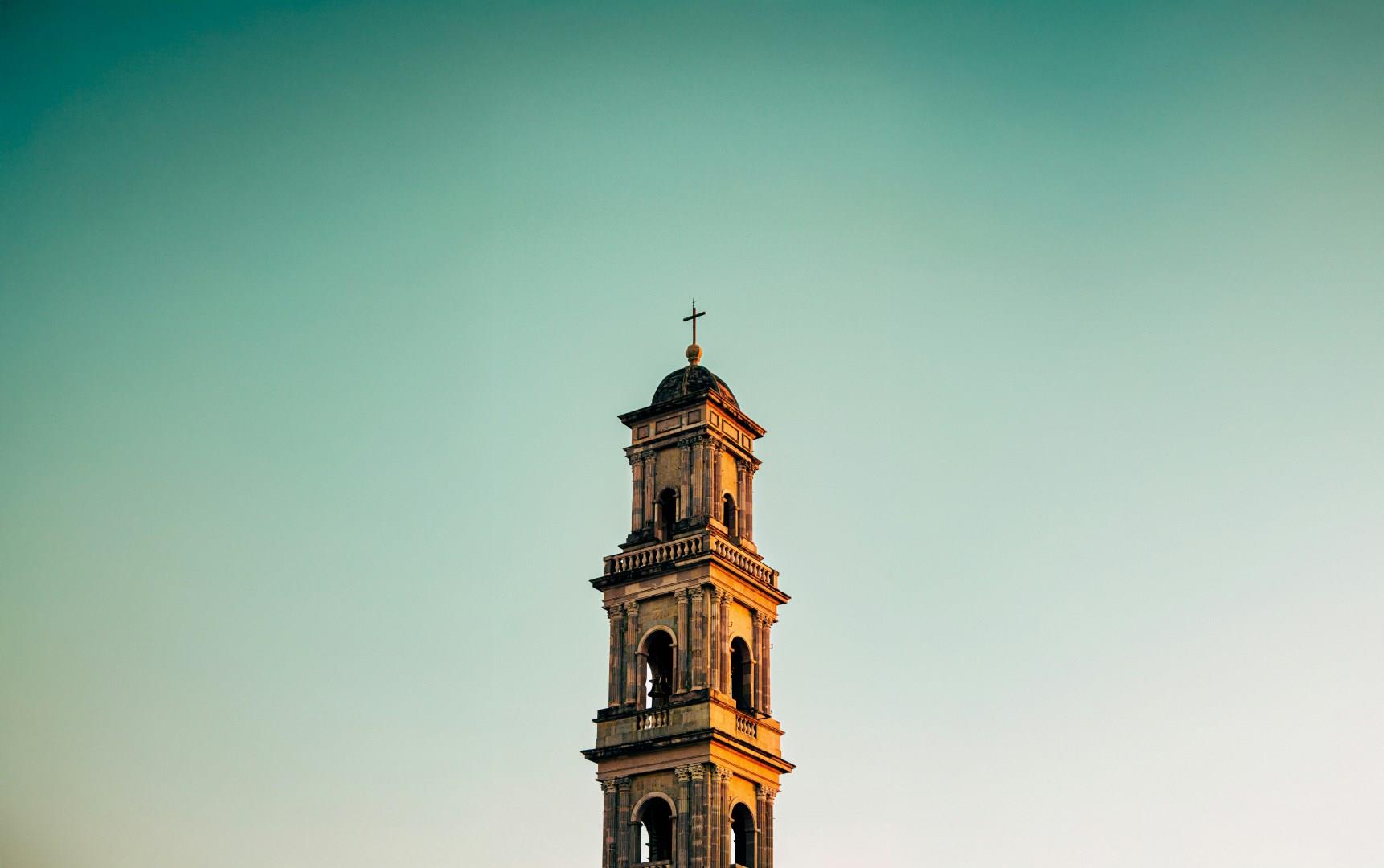
Tampico
Tampico, located on the Gulf Coast of Tamaulipas, is a port city with a layered history shaped by trade, oil, and immigration. Its downtown district is known for neoclassical buildings, many of which were constructed with imported bricks and ironwork from Europe during the oil boom of the early 20th century. One of Tampico’s most photographed structures is the Mercado Municipal, rebuilt in recent years but still functioning as a central hub for daily life.
