
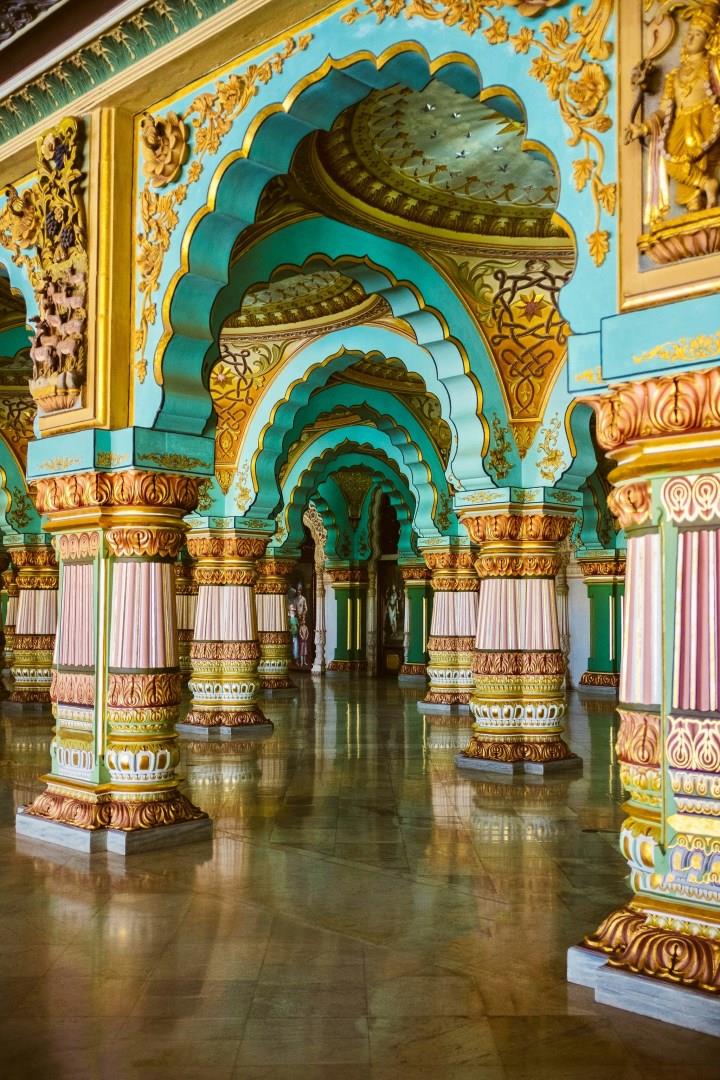
Mysore
Mysore, often called the “Cultural Capital of Karnataka,” is a city where centuries-old royal heritage meets living tradition. Located at the foothills of the Chamundi Hills, it is best known for its palaces, wide boulevards, and colorful festivals. Once the seat of the Wadiyar dynasty, Mysore still carries an unmistakable royal influence that can be seen in its architecture, markets, and cultural celebrations.
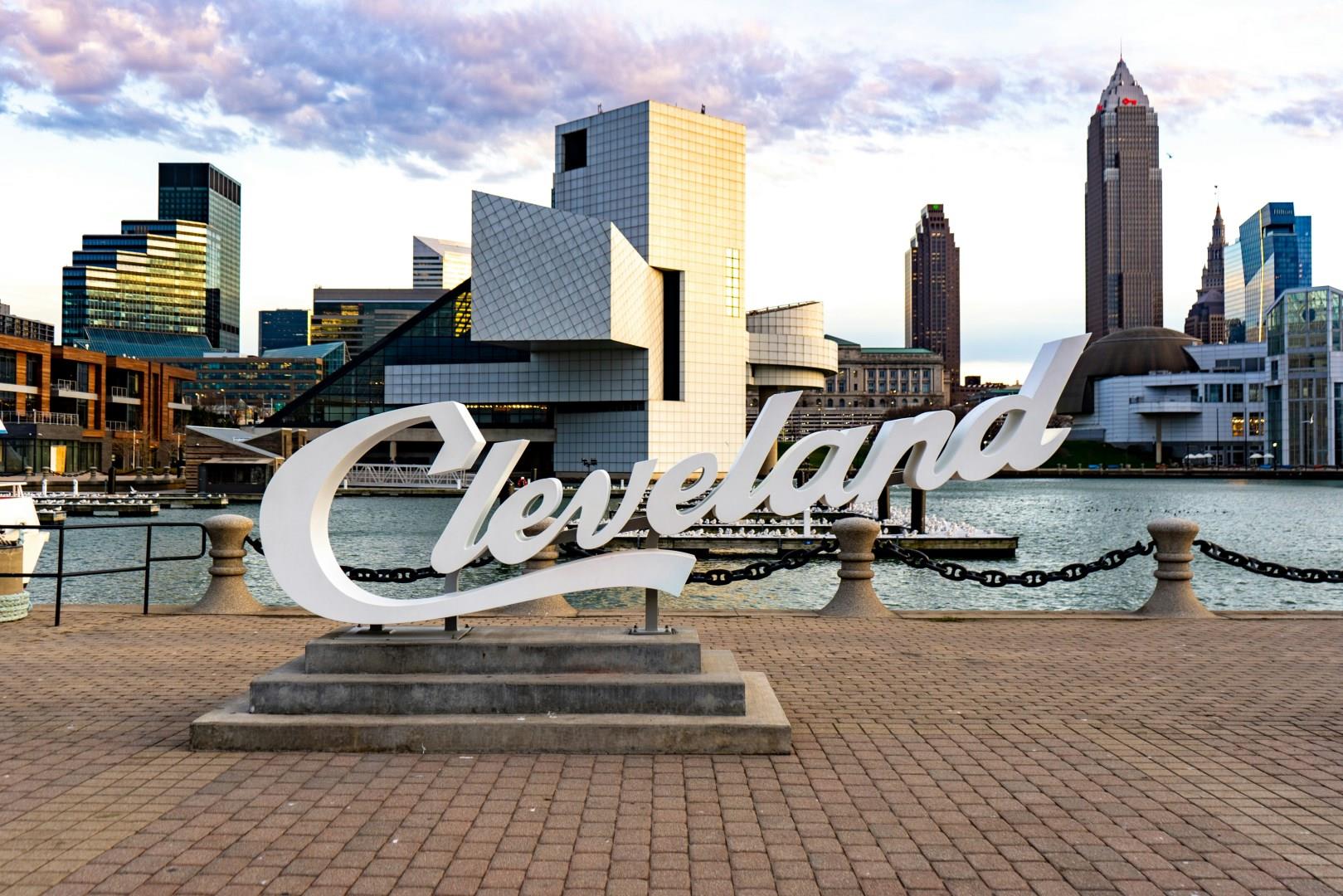
Cleveland
Cleveland, Ohio is a city with grit, pride, and a surprising amount of charm. Perched along the southern shore of Lake Erie, it blends industrial roots with a strong cultural identity. One of its most iconic attractions is the Rock & Roll Hall of Fame, where visitors can view everything from Prince’s custom guitars to handwritten lyrics by The Beatles. The museum brings history to life through rotating exhibits, film screenings, and live performances on the lakefront plaza.

Palenque
Palenque, nestled in the lush jungles of Chiapas, Mexico, offers an enthralling glimpse into the grandeur of the ancient Maya civilization. The city is renowned for its well-preserved ruins, which include the majestic Temple of the Inscriptions, where the tomb of the ruler Pakal the Great was discovered in 1952.

Nuremberg
Nuremberg is Bavaria’s second-largest city and for centuries was the undeclared capital of the Holy Roman Empire. There is plenty to do and see, starting with picturesque charm of the Old Town, situated at the foot of the Kaiserburg.
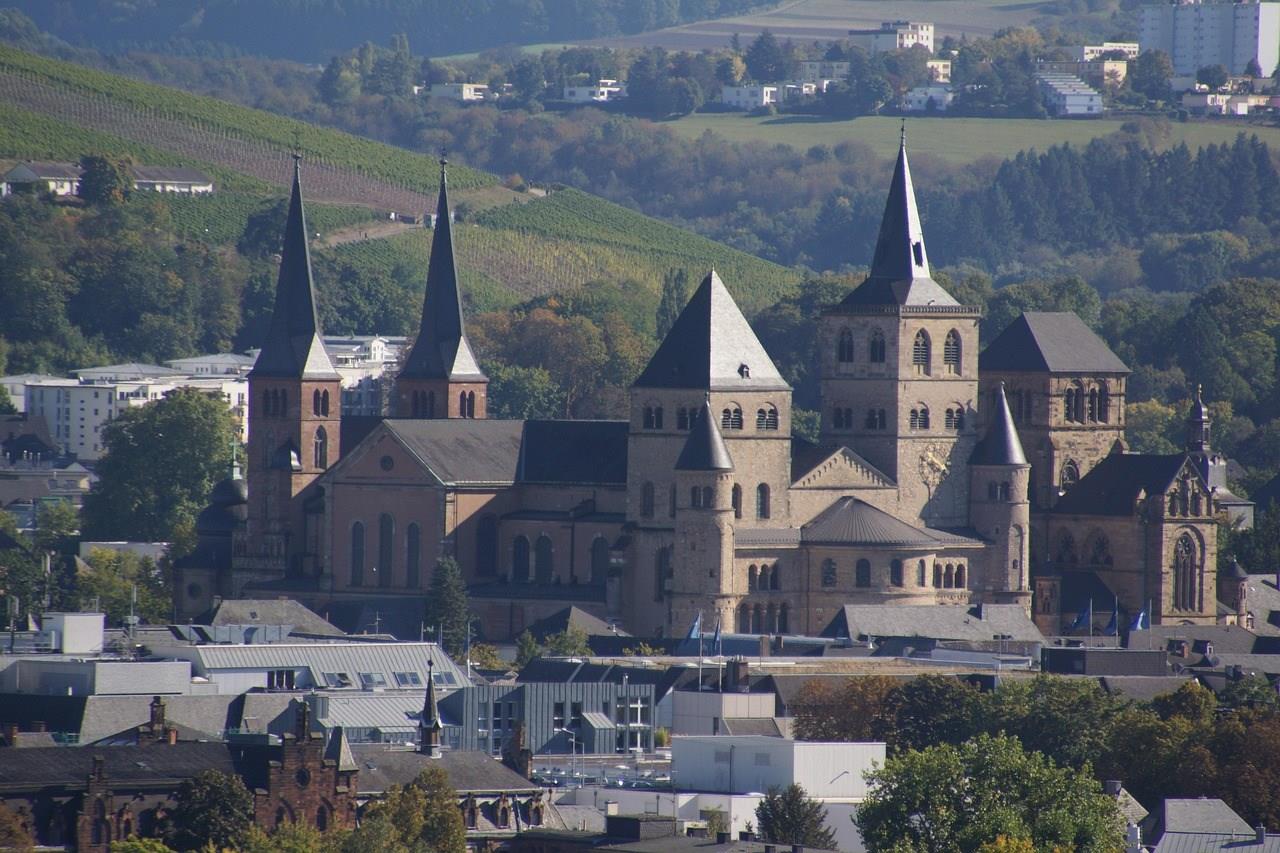
Trier
Trier, Germany’s oldest city, is a living museum nestled in the Moselle Valley, where Roman ruins rise beside medieval churches and bustling market squares. Founded by the Romans in 16 BCE, Trier was once known as “Roma Secunda,” the second Rome, and still boasts the largest collection of Roman architecture north of the Alps. The Trier Cathedral (Dom St. Peter), which is a UNESCO World Heritage Site, is the oldest church in Germany and houses a relic said to be the Holy Robe of Christ.
