

Brussels
Brussels, the vibrant capital of Belgium, offers a perfect blend of medieval charm and modern sophistication. At its heart lies the iconic Grand Place, a UNESCO World Heritage Site known for its stunning Gothic and Baroque guildhalls.
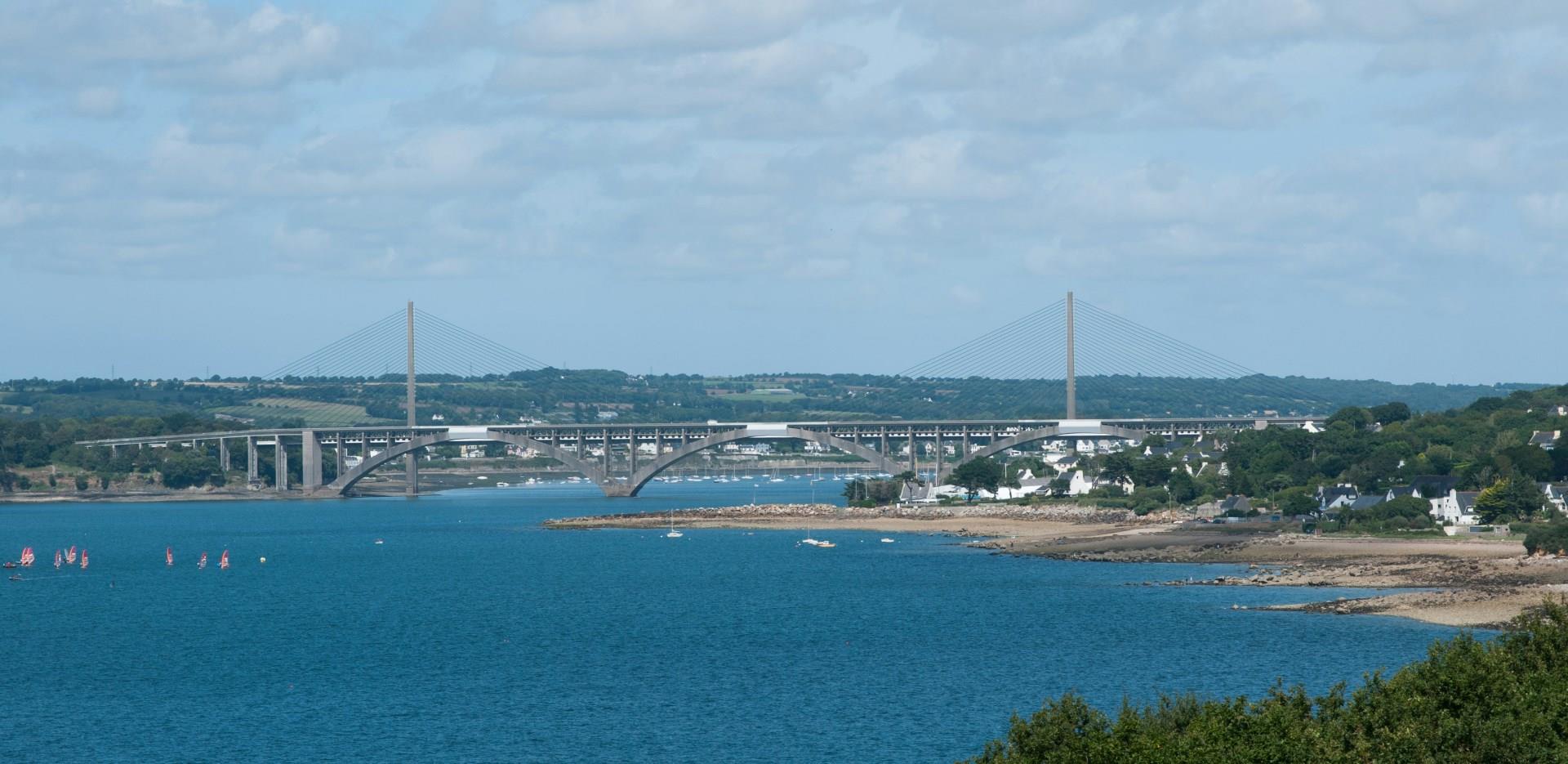
Brest
Brest sits at the western edge of Brittany, facing the Atlantic and shaped by its role as a strategic naval port. Much of the city was rebuilt after World War II, giving it a modern layout that contrasts with older Breton towns, yet its history remains closely tied to the sea.

Çanakkale
The city of Canakkale lies at the narrow, 1,200 meter entrance to the Canakkale Strait that connects the Sea of Marmara and the Aegean. To honor the 500,000 soldiers who lost their lives at Gelibolu (Gallipoli), the peninsula was made into Gelibou Historical National Park.

Atacama Desert
The Atacama Desert in Chile, the driest non-polar desert on Earth, is a place of extraordinary beauty and otherworldly landscapes. Stretching over 600 miles along the Pacific coast, the Atacama's stark, lunar-like terrain is punctuated by salt flats, active geysers, and rugged canyons. One of the most striking sights is the Valle de la Luna, or Valley of the Moon, where wind-sculpted sand dunes and jagged rock formations create a surreal environment that appears as if it's straight from another
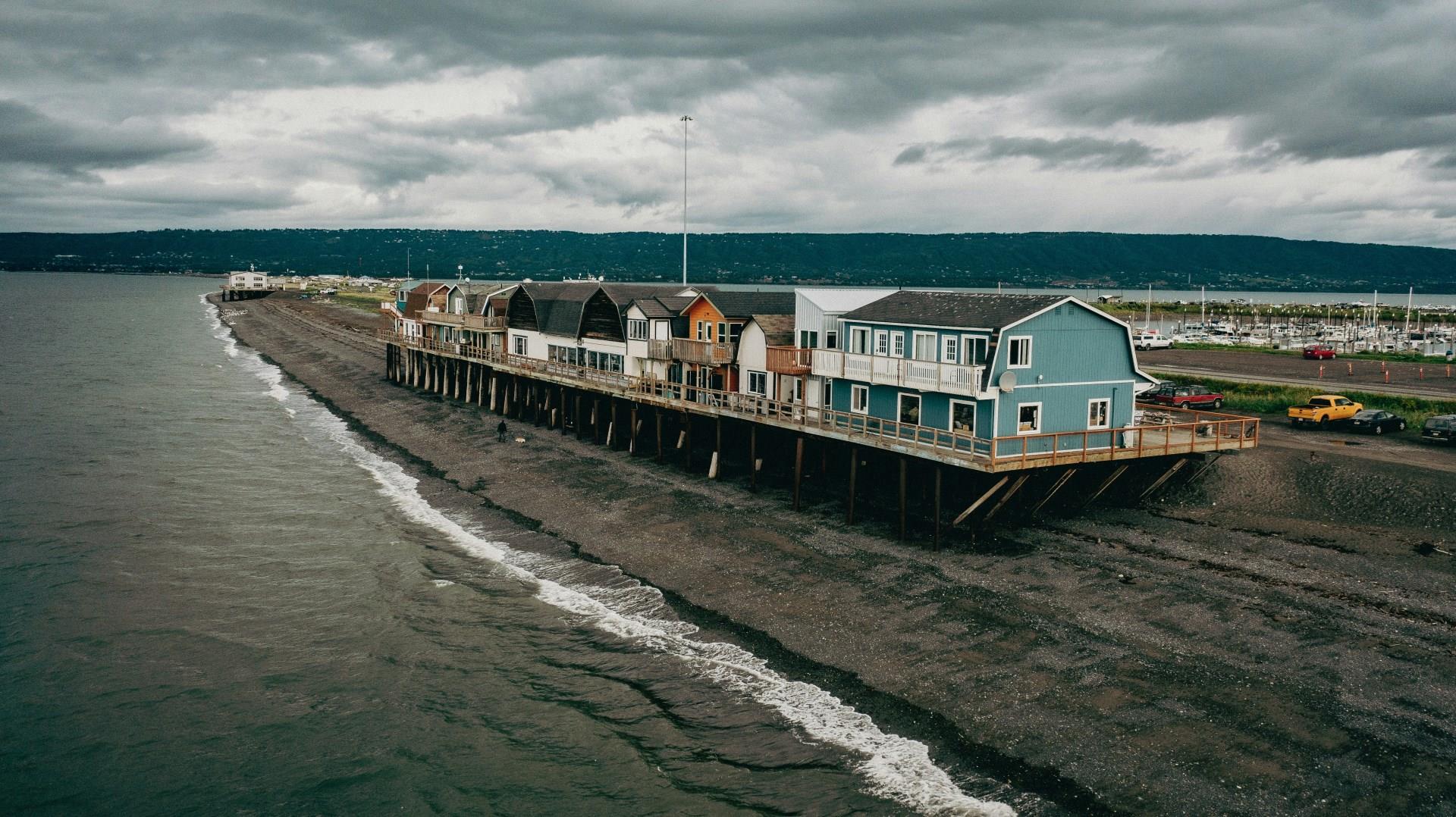
Homer
Homer, Alaska, sits at the end of the Kenai Peninsula and is often called the “end of the road,” where dramatic landscapes meet a vibrant small-town spirit. Overlooking Kachemak Bay, the town is framed by snowcapped mountains, glaciers, and a striking spit of land that juts four miles into the sea.
