
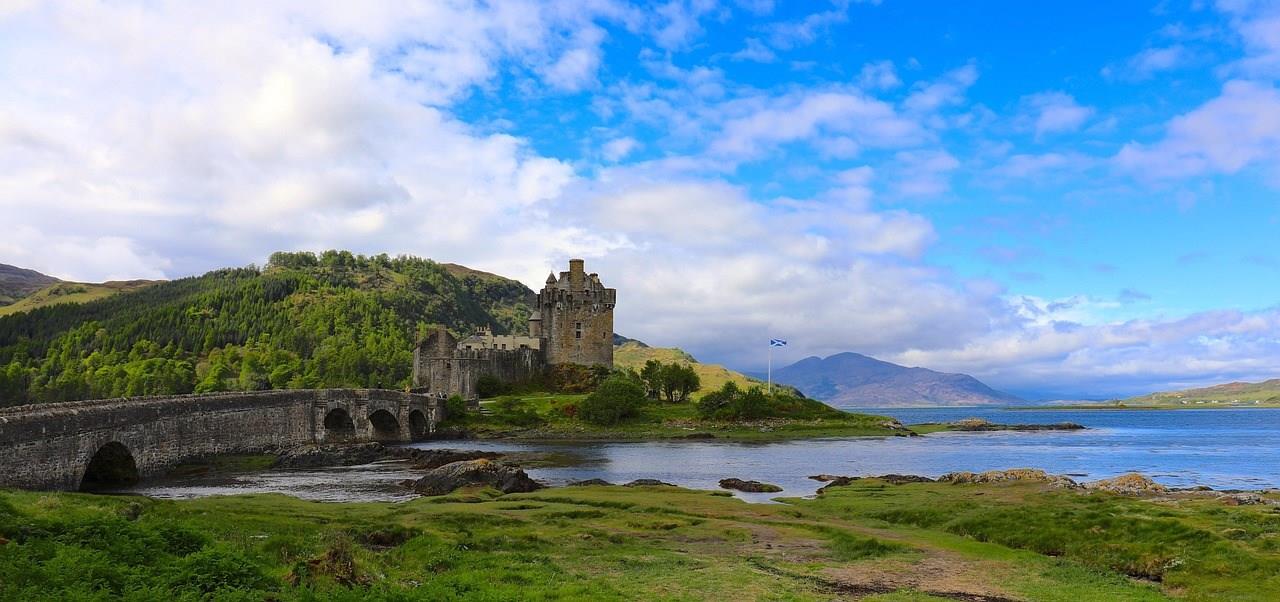
Kyle of Lochalsh
Kyle of Lochalsh, located on the west coast of the Scottish Highlands, serves as a gateway to the Isle of Skye via the Skye Bridge, but the village itself deserves more than a passing glance. Once the terminus of the Highland Railway, the town still welcomes visitors by train on one of the UK’s most scenic routes. The line from Inverness to Kyle passes through remote glens, past lochs and mountain ranges, ending just steps from the waterfront.

Lautoka
Known as Sugar City, Lautoka is a tropical destination on the western coast of Fiji. Be sure to take a stroll through the Lautoka Botanical Gardens, or venture just outside of the city to take in the natural beauty of Koroyanitu National Park, a rainforest preserve with spectacular hikes and bird-watching excursions.
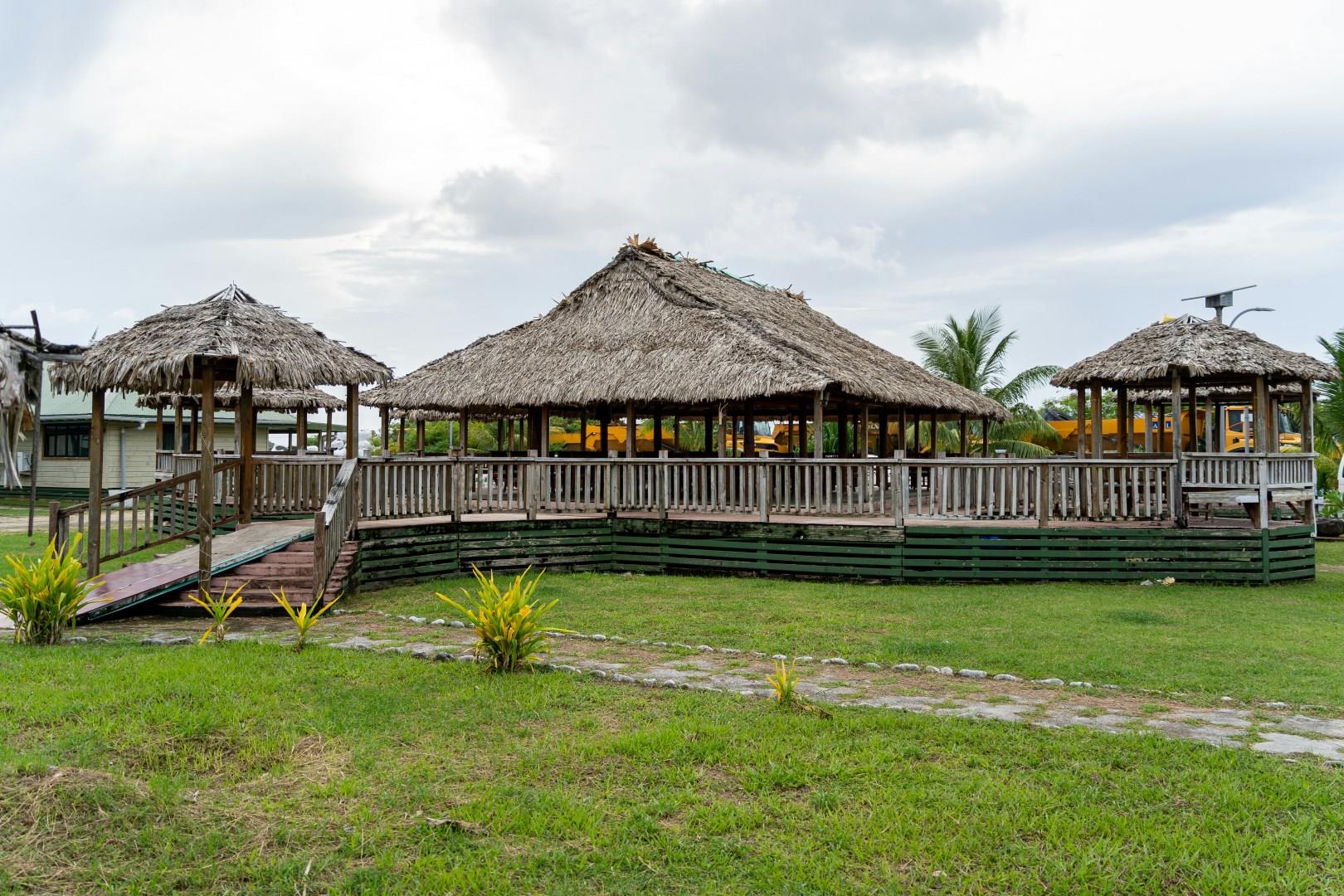
Funafuti Atoll
Funafuti Atoll, the capital of Tuvalu, is a narrow strip of land wrapped around a brilliant turquoise lagoon that stretches over 20 kilometers across. Despite being just 600 meters at its widest point, Funafuti is the heartbeat of the country, where government buildings, homes, schools, and the island’s only airport all coexist along sandy roads lined with coconut trees.

Warsaw
Warsaw stands as one of Europe’s most resilient cities, having rebuilt itself almost entirely after World War II. The Old Town, meticulously reconstructed using paintings by Italian artist Bernardo Bellotto, feels centuries old but is, in fact, less than a hundred years in its current form. Behind the medieval facades lie stories of uprisings, resistance, and quiet defiance. Visitors walking through Castle Square can enter the Royal Castle, where Poland’s Constitution of May 3, 1791 was adopted.

Antigua
Antigua and Barbuda are located in the middle of the Leeward Islands in the Eastern Caribbean. Antigua, the largest of the British Leeward Islands, is about 14 miles long and 11 miles wide, encompassing 108 square miles. Barbuda, a flat coral island with an area of only 68 square miles, lies approximately 30 miles to the north. The population is approximately 68,000 and its capital is St. John's on Antigua.
