

Quintana Roo
Quintana Roo, nestled on the Caribbean coast of Mexico’s Yucatán Peninsula, is a paradise that seamlessly blends ancient history with modern luxury. The state is perhaps best known for its glittering beaches and turquoise waters, epitomized by destinations like Cancún and Playa del Carmen.

Iguazu
Situated in the Parque Nacional Iguazú near Puerto Iguazú, these spectacular falls lie just east of the confluence of the Iguazu and Paraná rivers. At least 5000 cubic m of water per second plunge the 70m into the abyss below.
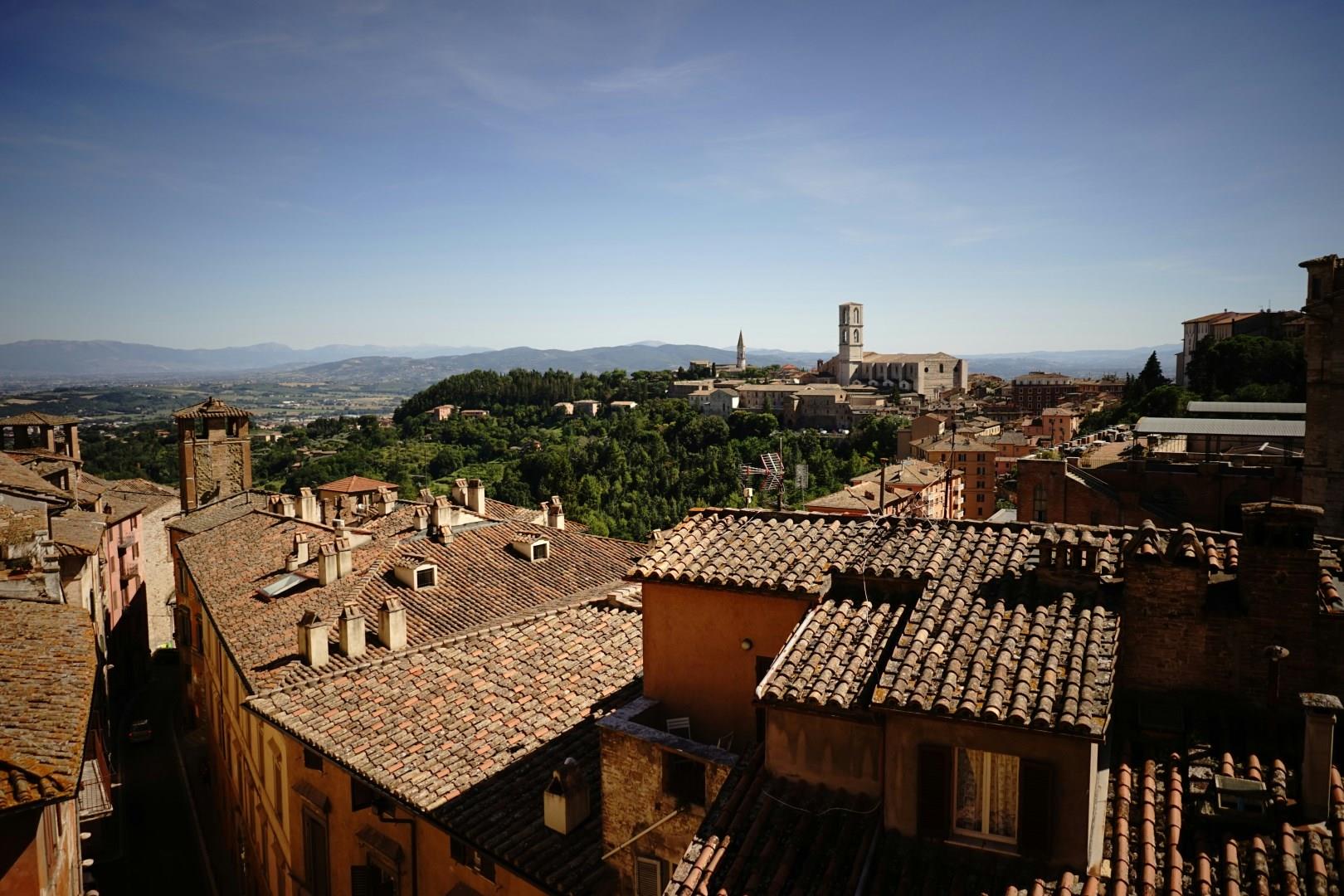
Perugia
Perugia, the capital of Italy’s Umbria region, is a city built across hills and centuries. Originally settled by the Etruscans more than 2,500 years ago, it still holds remnants of their civilization, including one of the largest surviving Etruscan arches in Italy named Arco Etrusco, which greets visitors at the city’s entrance. Walking through the narrow streets of the historic center reveals layers of Roman, medieval, and Renaissance architecture, all woven together within ancient stone walls.

Phang Nga
Phang Nga is a coastal province in southern Thailand known for its dramatic limestone landscapes and deep connection to the Andaman Sea. Historically shaped by maritime trade, fishing communities, and tin mining, the region sits just north of Phuket yet feels distinctly quieter and more grounded.
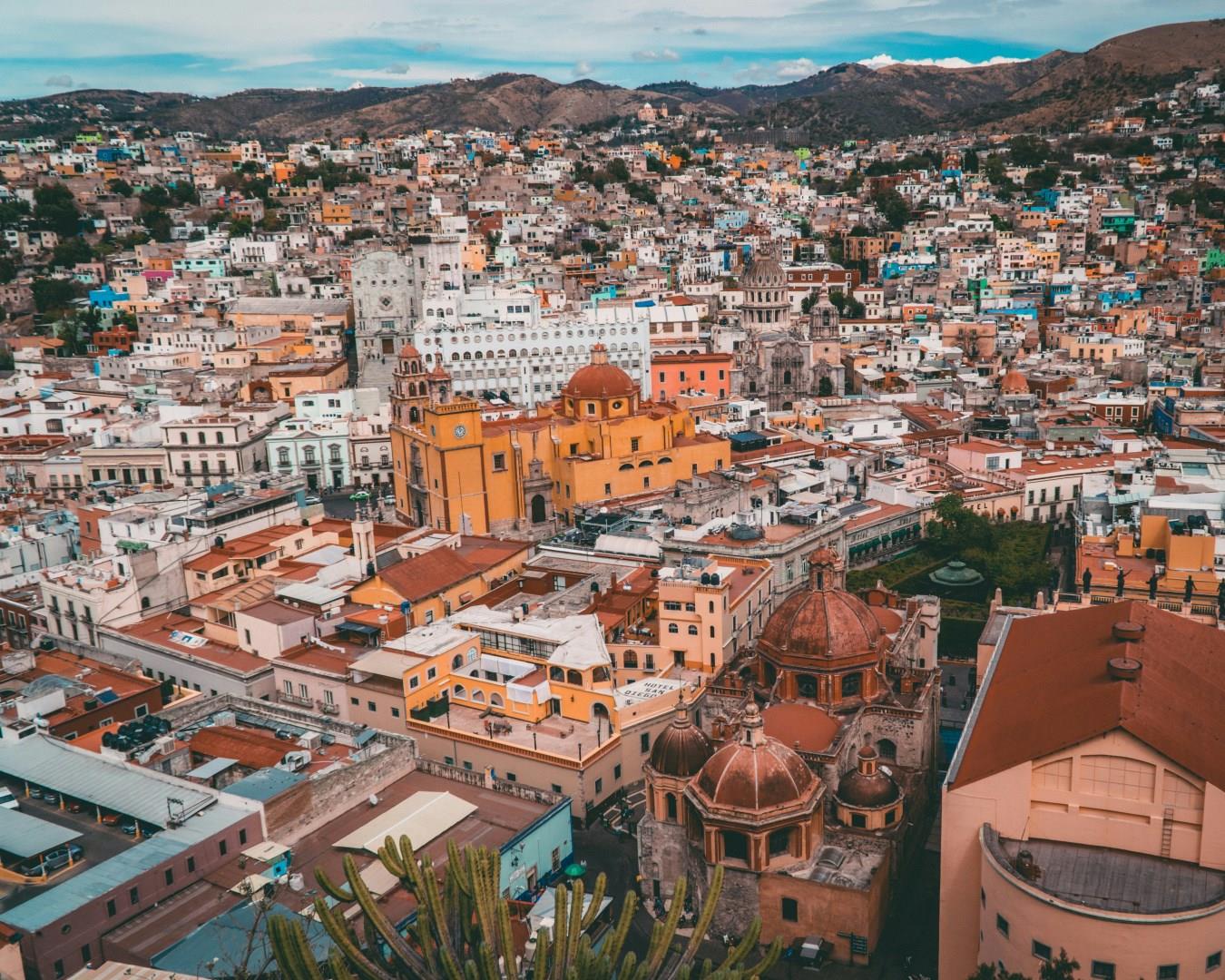
Guanajuato
Guanajuato, a UNESCO World Heritage City nestled in the mountains of central Mexico, is a place where history is built into every hillside alley and underground tunnel. Today, visitors can still tour La Valenciana Mine, where centuries-old tunnels and original mining equipment offer a glimpse into the city's wealth-driven past. The nearby Templo de San Cayetano, built by mine owners in the mid-1700s, is a stunning example of baroque design, lined with gilded altars and intricate woodwork.
