

Colon
Northwest of Panama City lies the capital city of Colón, a gateway to the Panama Canal.
Freetown
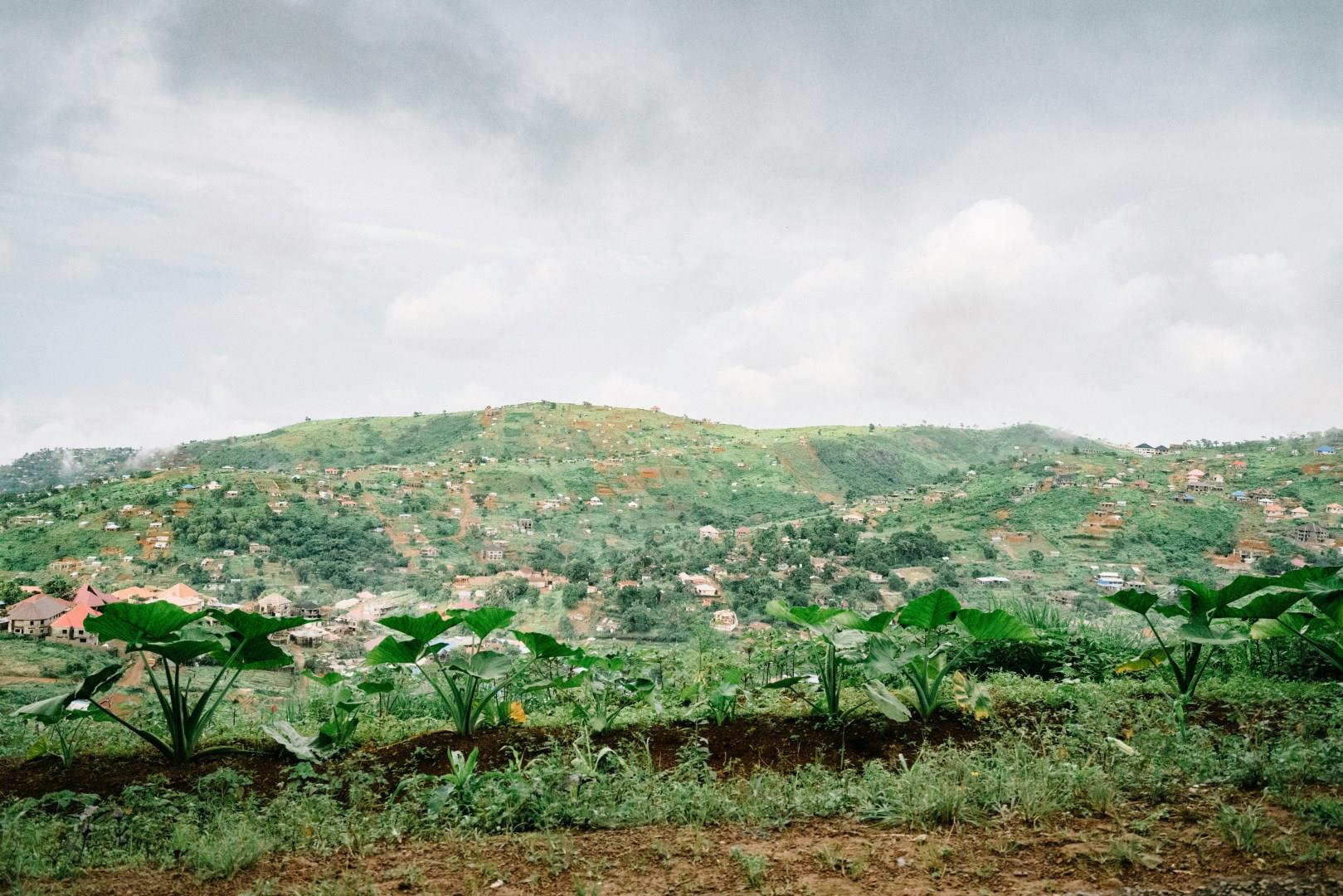
Freetown, the capital of Sierra Leone, is a city where history and daily life intertwine along the shores of the Atlantic. Founded in 1792 as a settlement for freed slaves from Britain and the Americas, it remains a place of cultural depth and resilience.
Pamplona
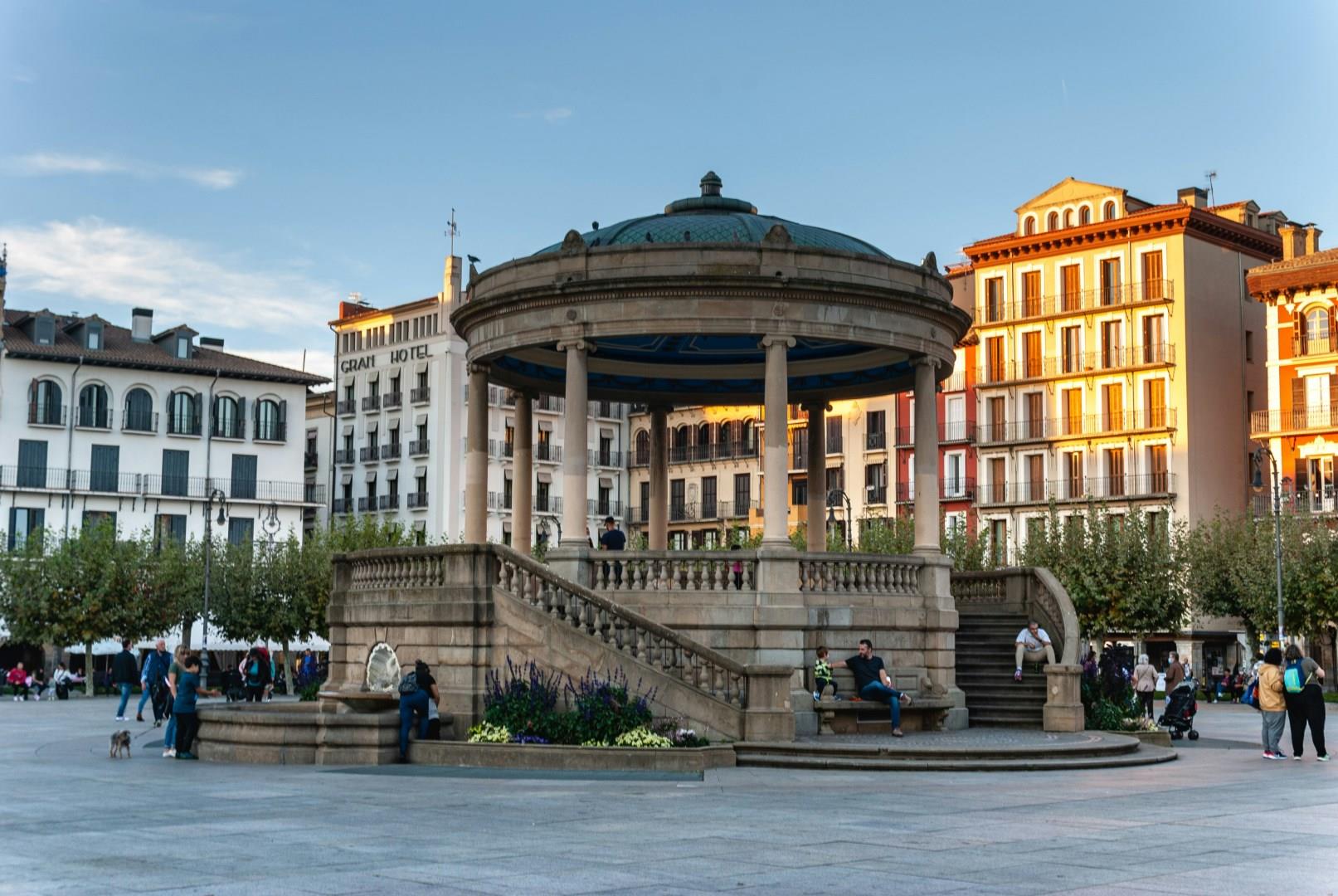
Pamplona, the capital of Spain’s Navarre region, is best known worldwide for the Running of the Bulls during the San Fermín festival each July. But beyond the brief rush of that event lies a city steeped in medieval history, Basque influence, and a slower pace that surprises many visitors. One of the most significant aspects of Pamplona is its place on the Camino de Santiago, the ancient pilgrimage route to Santiago de Compostela.
Evora
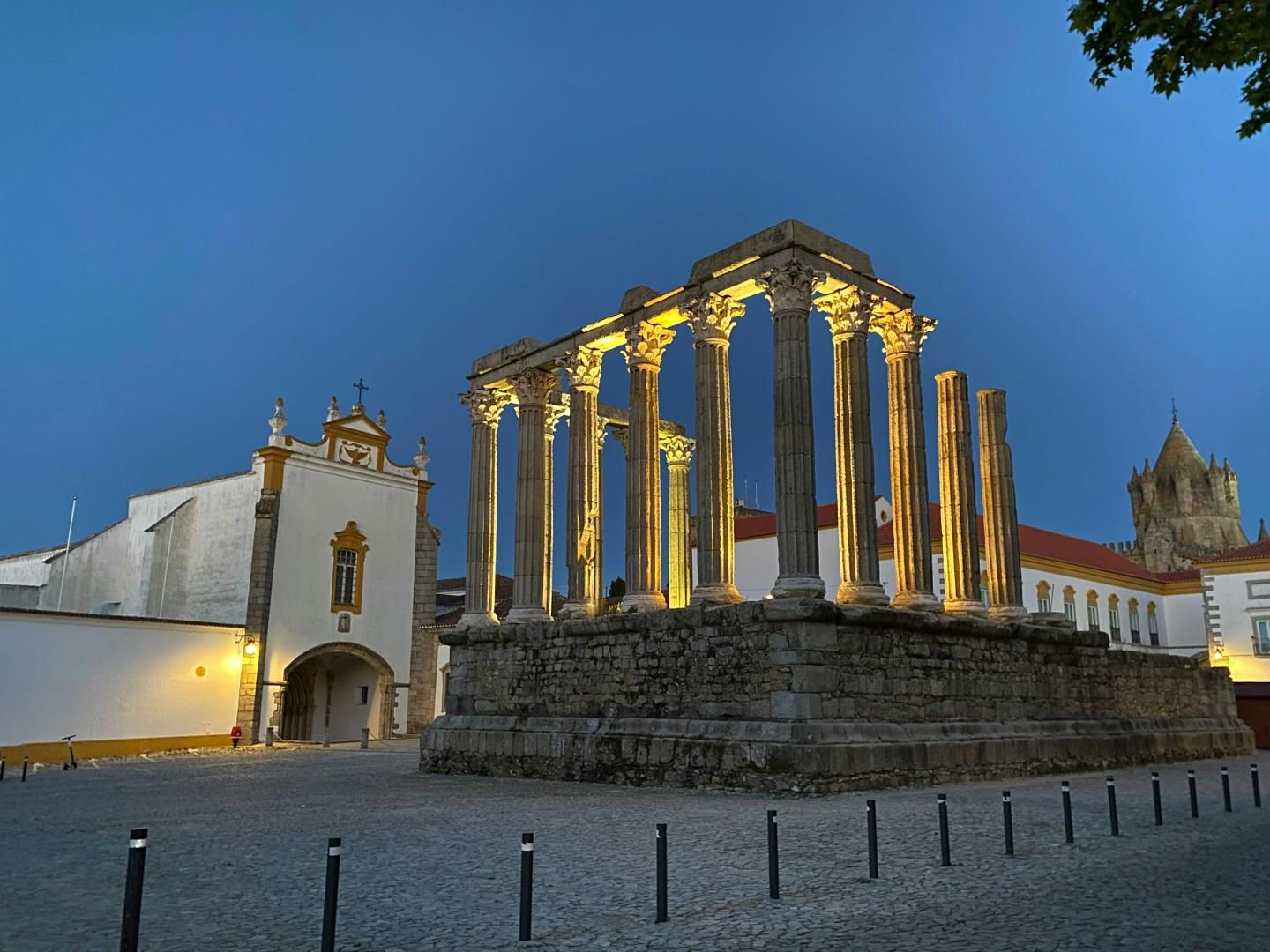
Évora, in Portugal’s Alentejo region, feels like stepping into a story that spans more than two thousand years. Its Historic Centre was named a UNESCO World Heritage Site for good reason with its ancient walls, homes with wrought-iron balconies, and narrow streets quietly preserve traces of Roman, Moorish, and medieval life. Beyond architecture and monuments, Évora reveals lesser-known treasures that reward exploration.

Cumbria
Cumbria, a captivating region in northwest England, is a dream destination for nature lovers, adventure seekers, and history enthusiasts alike. Home to the iconic Lake District National Park, Cumbria is renowned for its breathtaking landscapes of serene lakes, rugged mountains, and charming villages. Visitors can explore the park's famous lakes, like Windermere and Ullswater, on scenic boat rides or venture into the fells for exhilarating hikes.
