

Aït Ben Haddou
Aït Benhaddou, located in southern Morocco along the former caravan route between the Sahara and Marrakesh, is one of the country’s most iconic historic sites. This fortified village, or ksar, is recognized as a UNESCO World Heritage Site and is admired for its striking earthen clay architecture that rises dramatically from the desert landscape.
Maldives
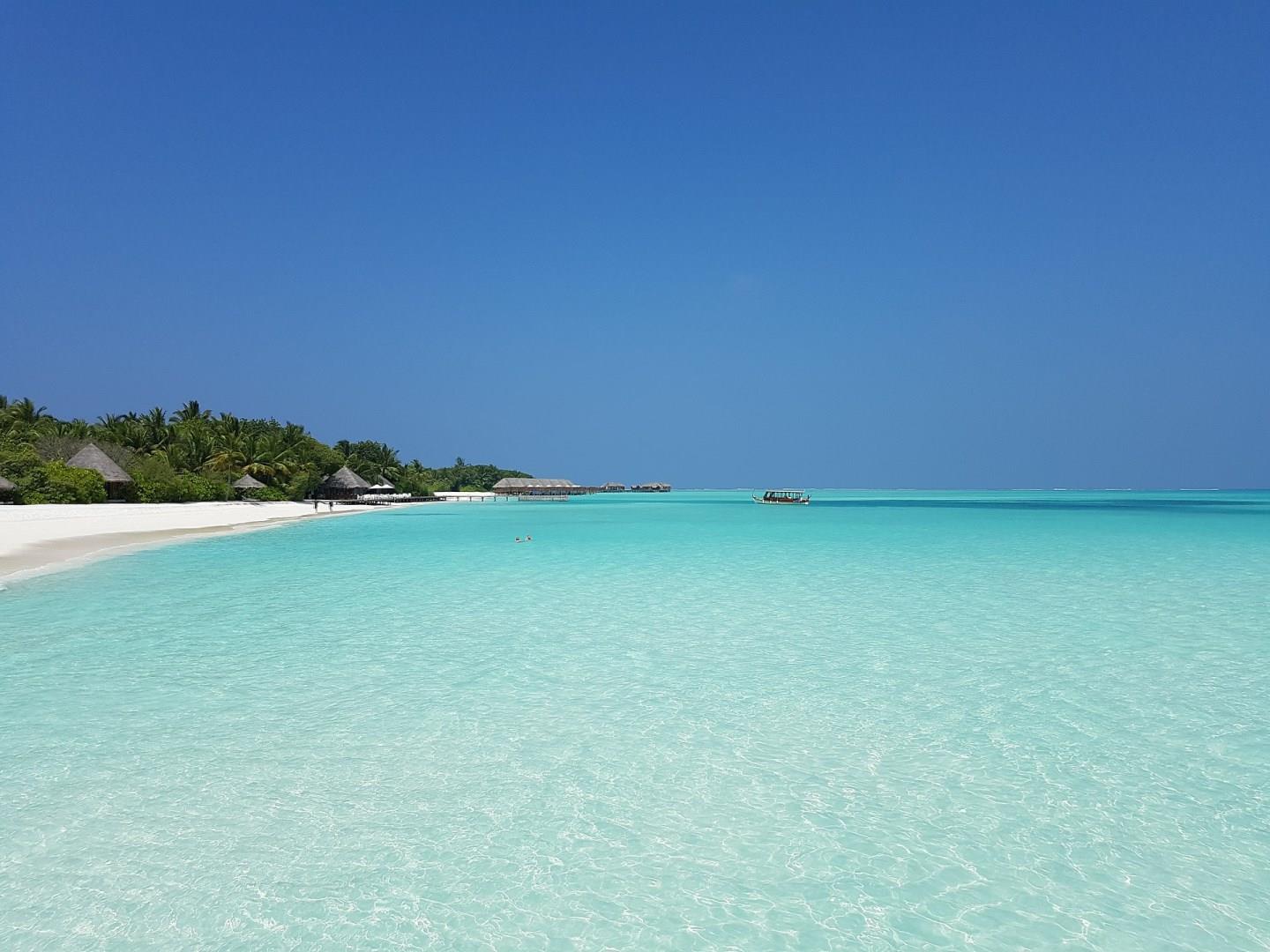
The Maldives, a nation of islands scattered across the Indian Ocean, is known for its dazzling turquoise waters, white-sand beaches, and vibrant coral reefs. Stretching across 26 atolls, this tropical paradise is often described as one of the most beautiful places on Earth.
Wilmington
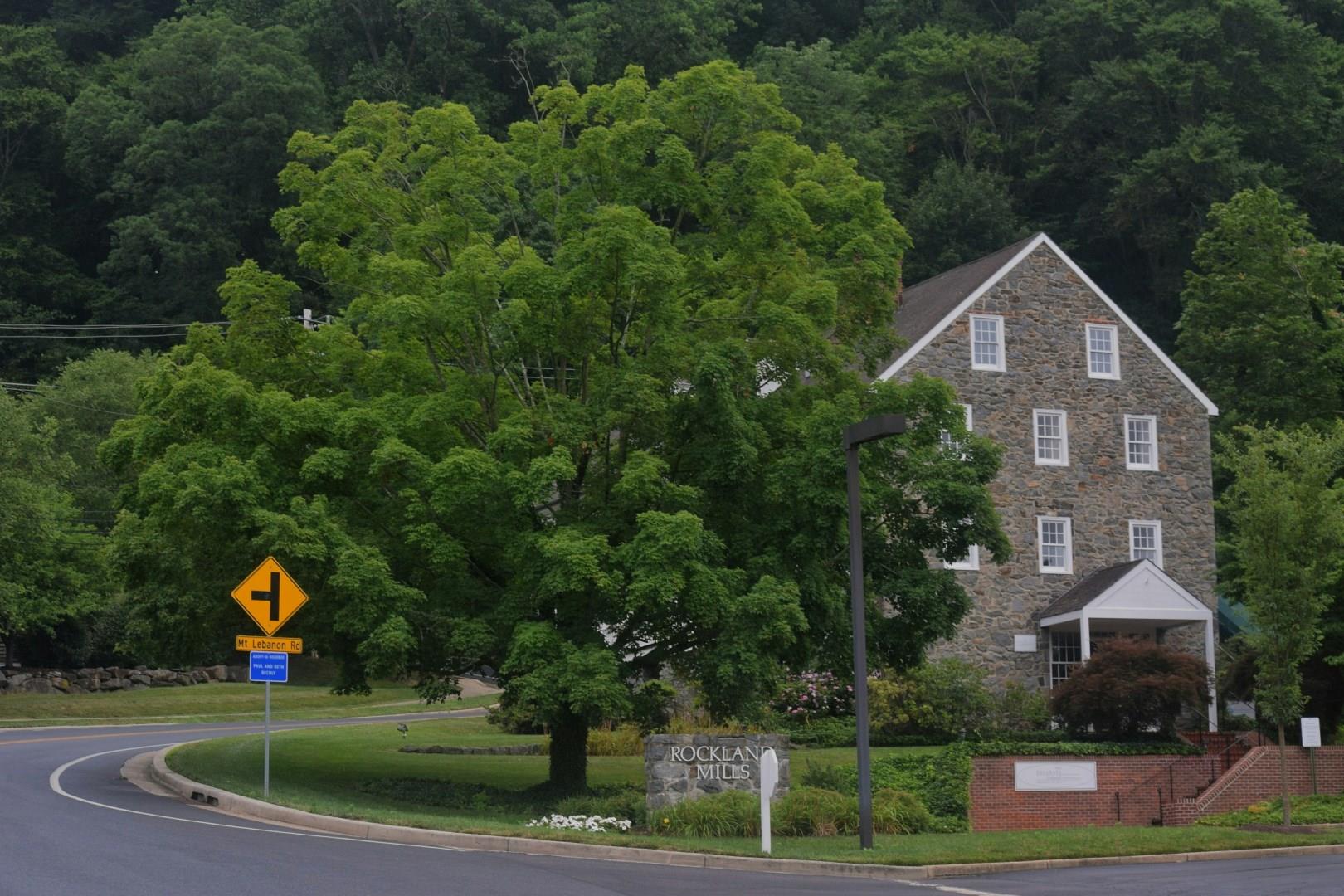
Wilmington, Delaware, offers a dynamic blend of history, culture, and natural beauty, making it a compelling destination for travelers. Situated along the scenic Christina River, Wilmington is home to a variety of attractions that range from historical landmarks to vibrant arts districts. One of the city’s most significant historical sites is the Hagley Museum and Library, which showcases the legacy of the DuPont family and their role in America’s industrial revolution.

Guernsey
Guernsey, the second-largest of the Channel Islands, blends coastal landscapes with a deep-rooted history shaped by centuries of outside influence. Though located closer to France than to mainland Britain, Guernsey is a British Crown Dependency with its own government and a distinct identity. The capital, St Peter Port, is a hillside town overlooking a natural harbor, where visitors can explore narrow lanes, stone stairways, and 18th-century buildings.
Alberobello
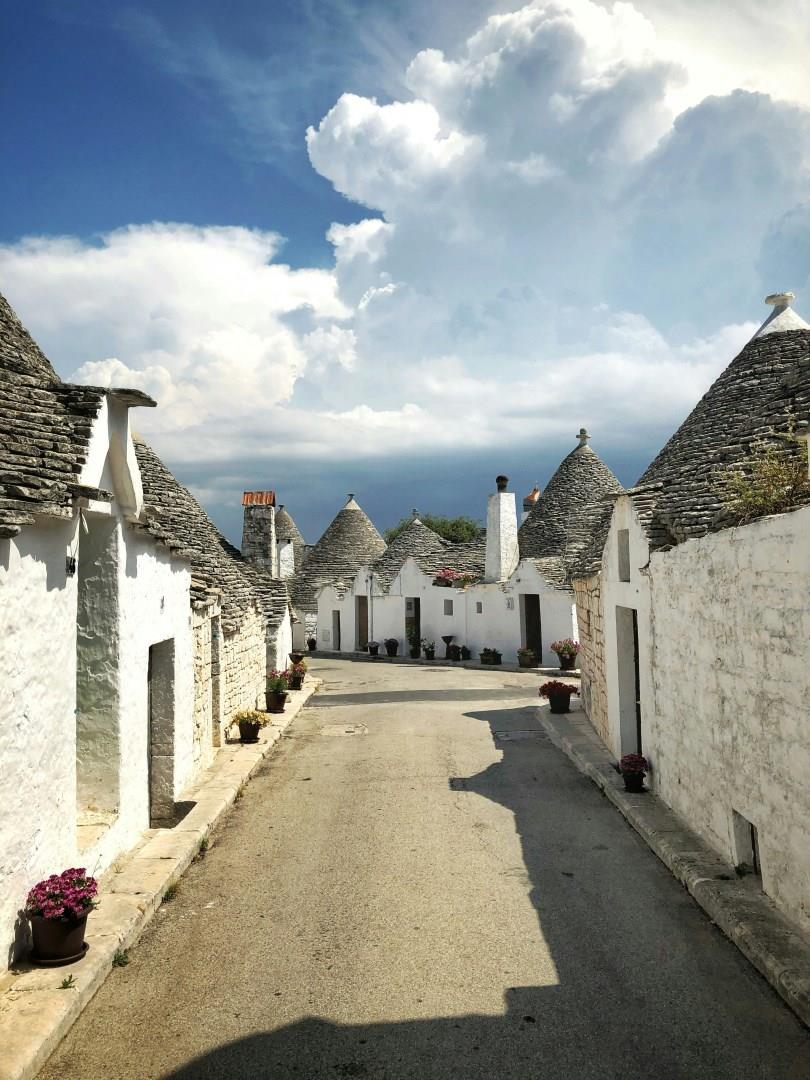
Alberobello in southern Italy’s Puglia region captures the imagination with its distinctive trulli houses. These structures were built using a dry-stone technique passed down over centuries, without mortar or cement, and their unique form comes from layer upon layer of limestone nestled from nearby fields. Alberobello’s trulli are so remarkable that in 1996 the historic center was inscribed as a UNESCO World Heritage Site, where more than 1,600 of these buildings still stand.
