
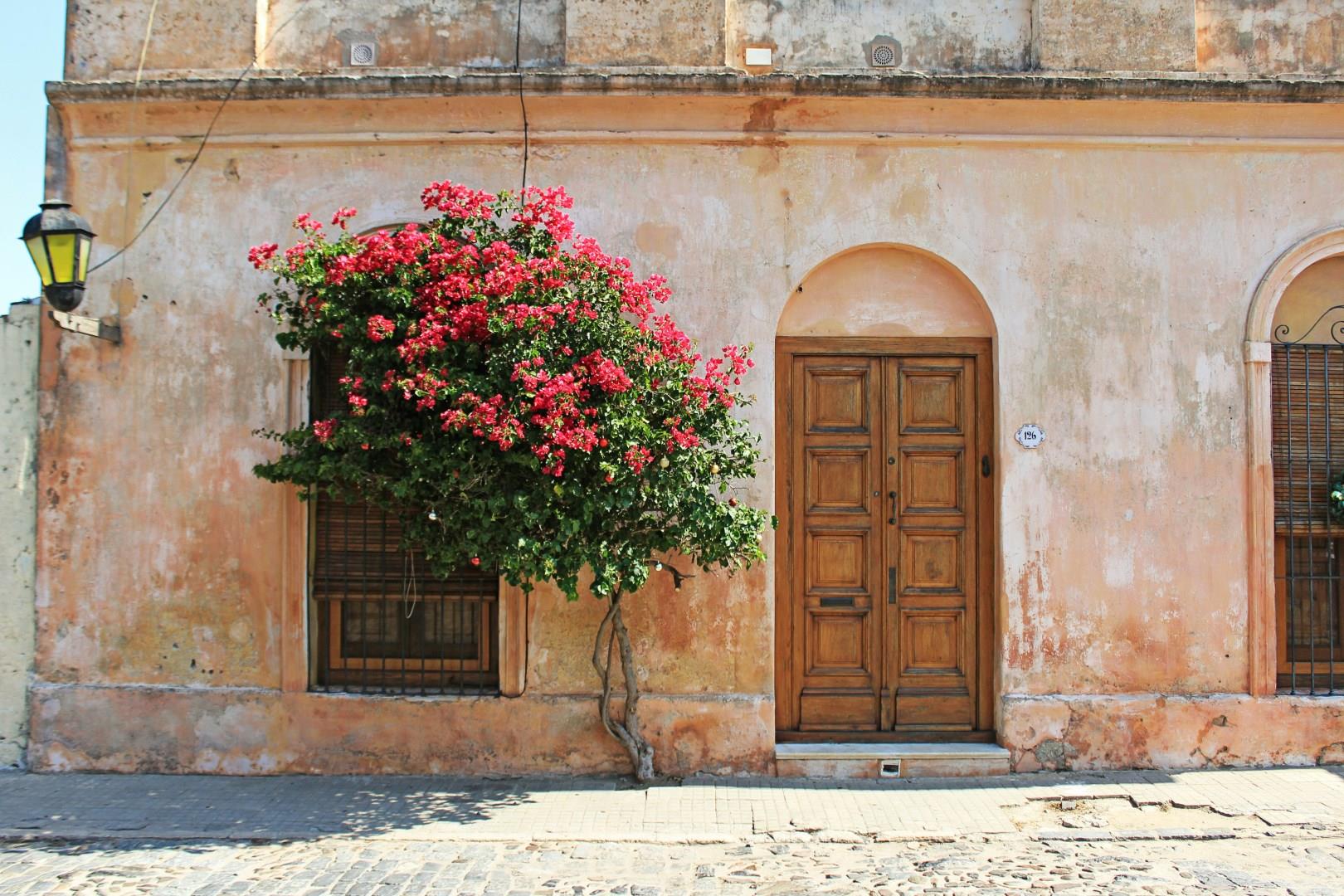
Colonia del Sacramento
Colonia del Sacramento is where time lingers. Founded in 1680 by the Portuguese and later contested by the Spanish, the town’s past is etched into its cobblestone streets and weathered facades. The Barrio Histórico, a UNESCO World Heritage Site, is compact enough to walk in an afternoon yet layered with centuries of stories. Visitors can explore remnants of the original city walls and climb the iconic lighthouse for sweeping views of the Río de la Plata.
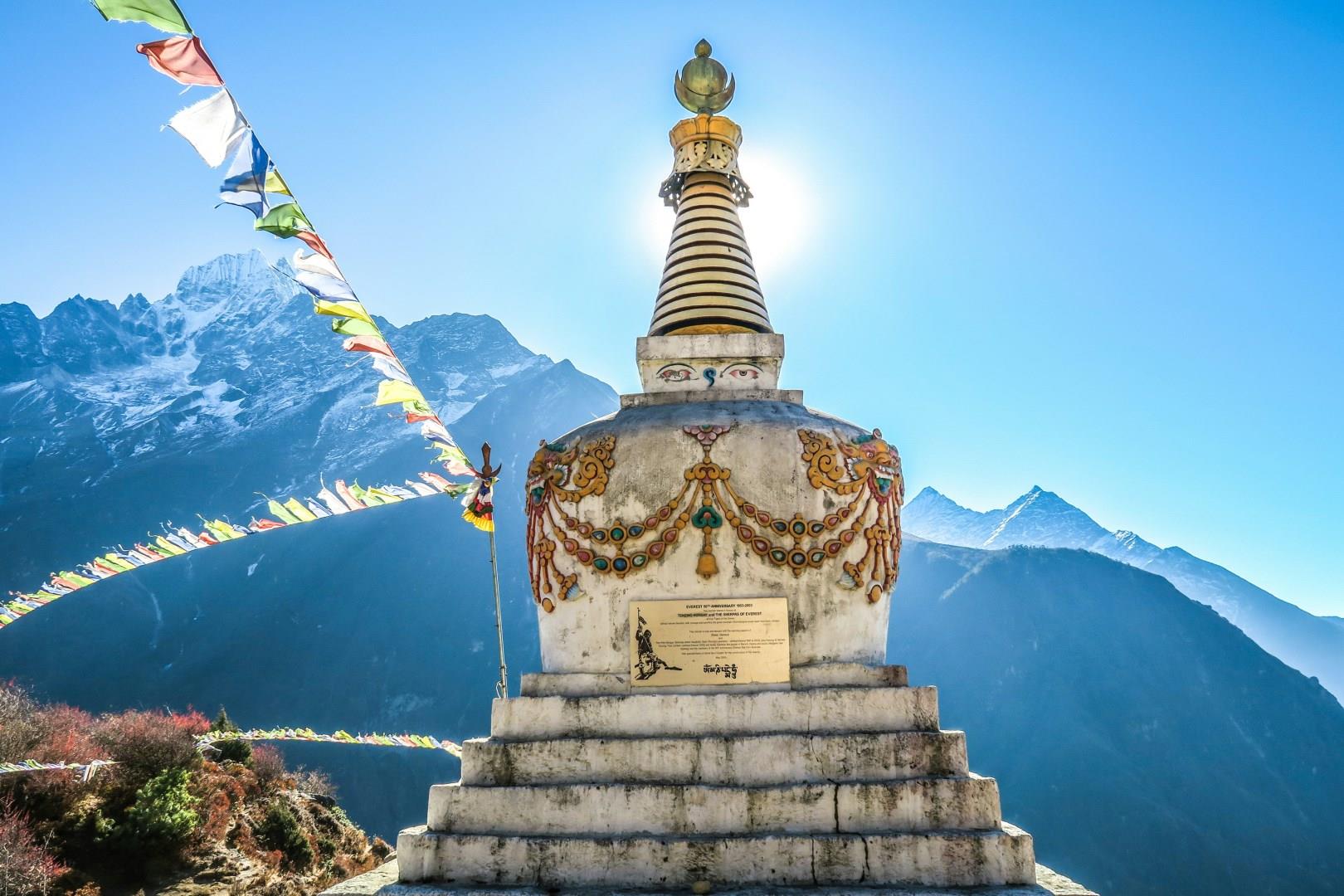
Namche
Namche Bazaar, perched at 3,440 meters in the Khumbu region of Nepal, is often called the gateway to Everest, but it’s far more than a rest stop on the way to Base Camp. Once a trading post between Tibetan and Nepali merchants, Namche has developed into a small mountain town where yak caravans and Wi-Fi cafes exist side by side. Despite its remote location, it has a Saturday market that continues to bring traders and trekkers together, just as it did centuries ago.
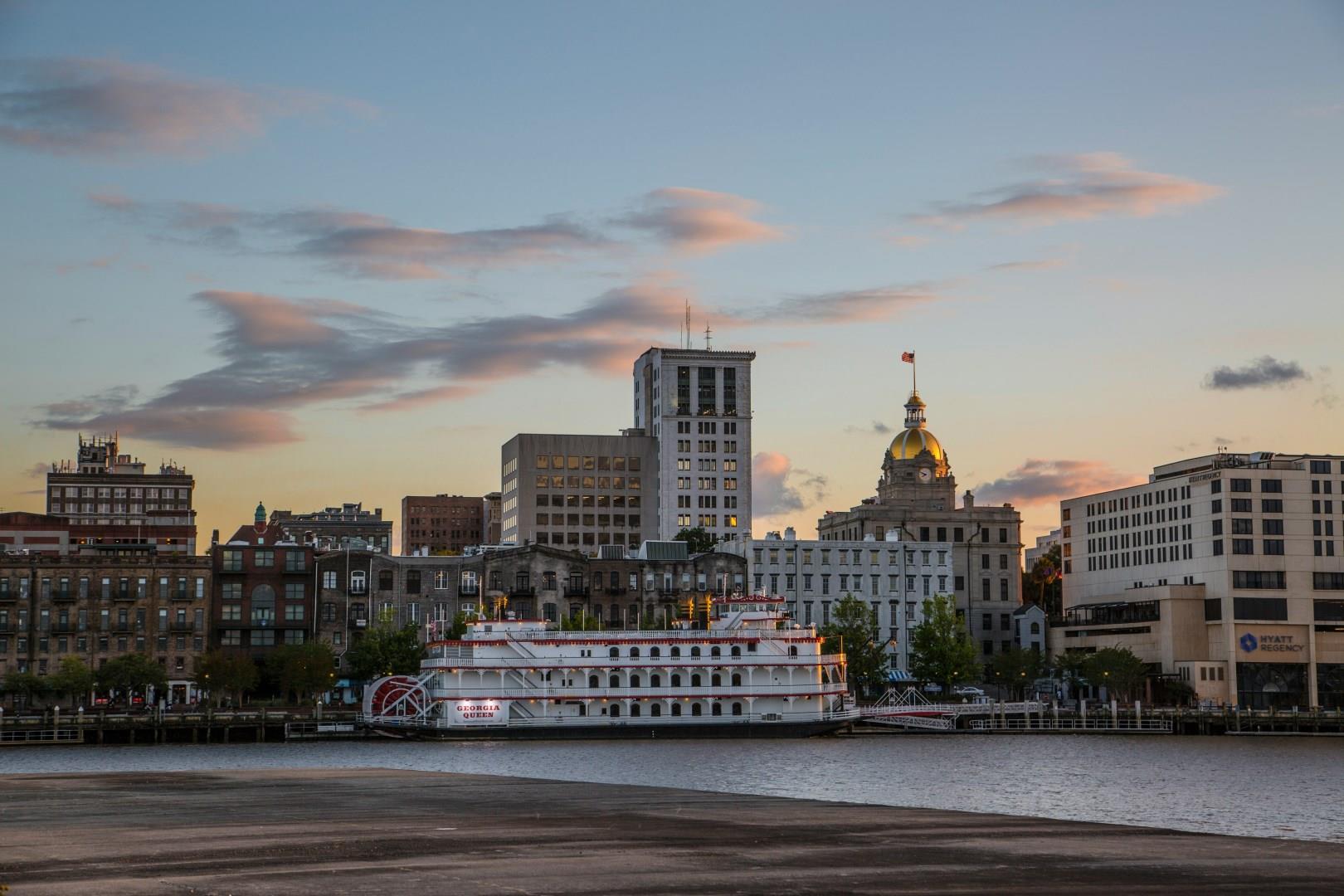
Savannah
Savannah, Georgia, is a city that moves at its own pace, shaded by moss-draped oaks and shaped by centuries of stories. Founded in 1733, it was Georgia’s first city and still wears its history proudly. Visitors walking through the Historic District will find cobblestone streets, hidden gardens, and 22 public squares, each with its own character.
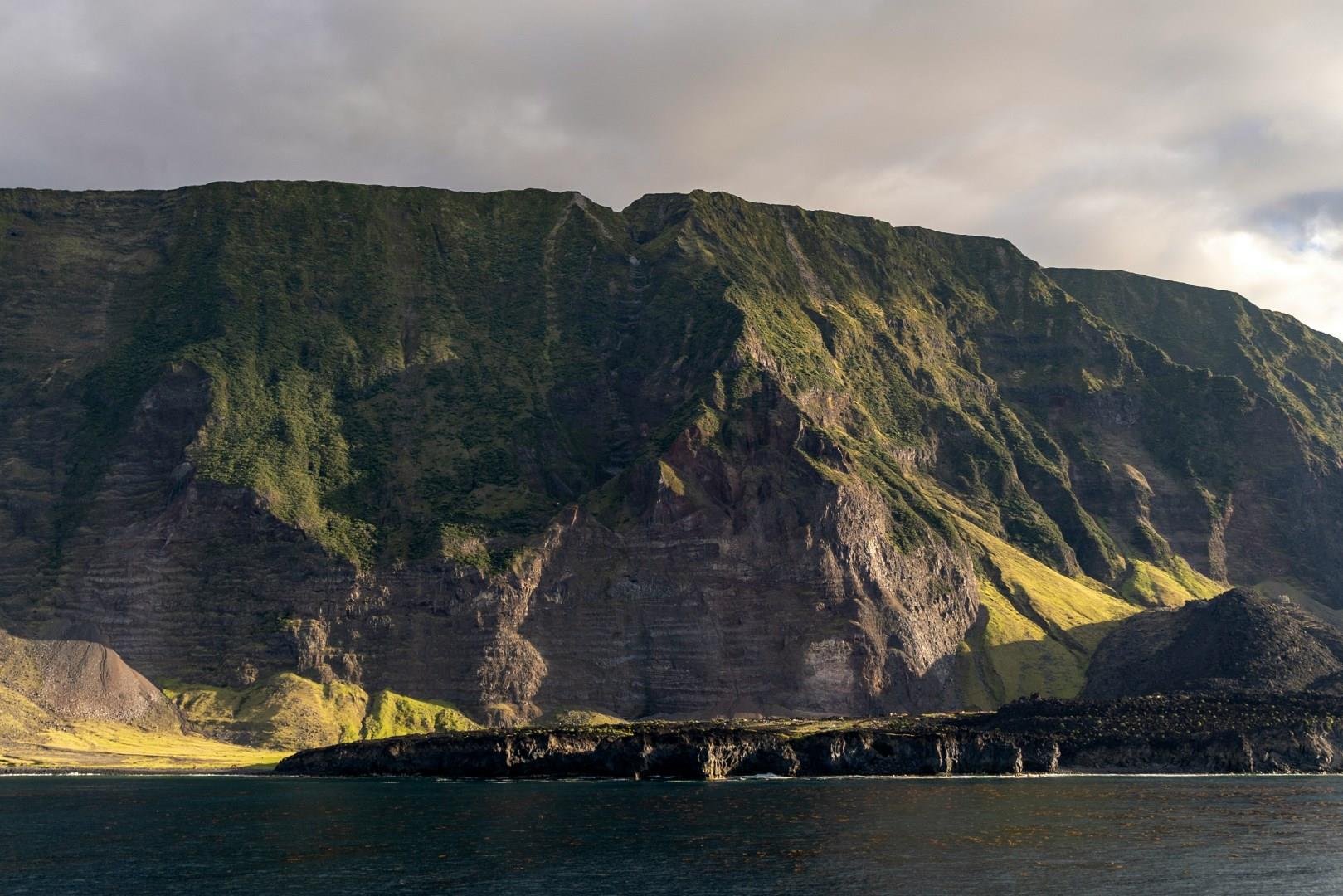
Tristan da Cunha
Tristan da Cunha is a remote volcanic island in the South Atlantic Ocean, forming part of a small archipelago along with Inaccessible Island and Nightingale Island. Known as the most isolated inhabited island in the world, it is accessible only by a week-long boat journey from South Africa.

Cairns
Cairns is the majestic entrance to Australia's Great Barrier Reef. This warm, tropical destination is located in Far North Queensland. Must-see attractions in Cairns include the Tjapukai Aboriginal Cultural Park, which educates tourists about indigenous peoples, and restaurant and bar-dotted Cairns Esplanade, which has a lagoon for swimming.
