

Dominica
Dominica, known as the “Nature Island of the Caribbean,” is a haven for eco-tourists and adventure seekers. Nestled between the French islands of Guadeloupe and Martinique, this lush island boasts a remarkable landscape of volcanic mountains, dense rainforests, and stunning waterfalls. Dominica’s most iconic natural wonder is the Boiling Lake, the second-largest hot spring in the world.
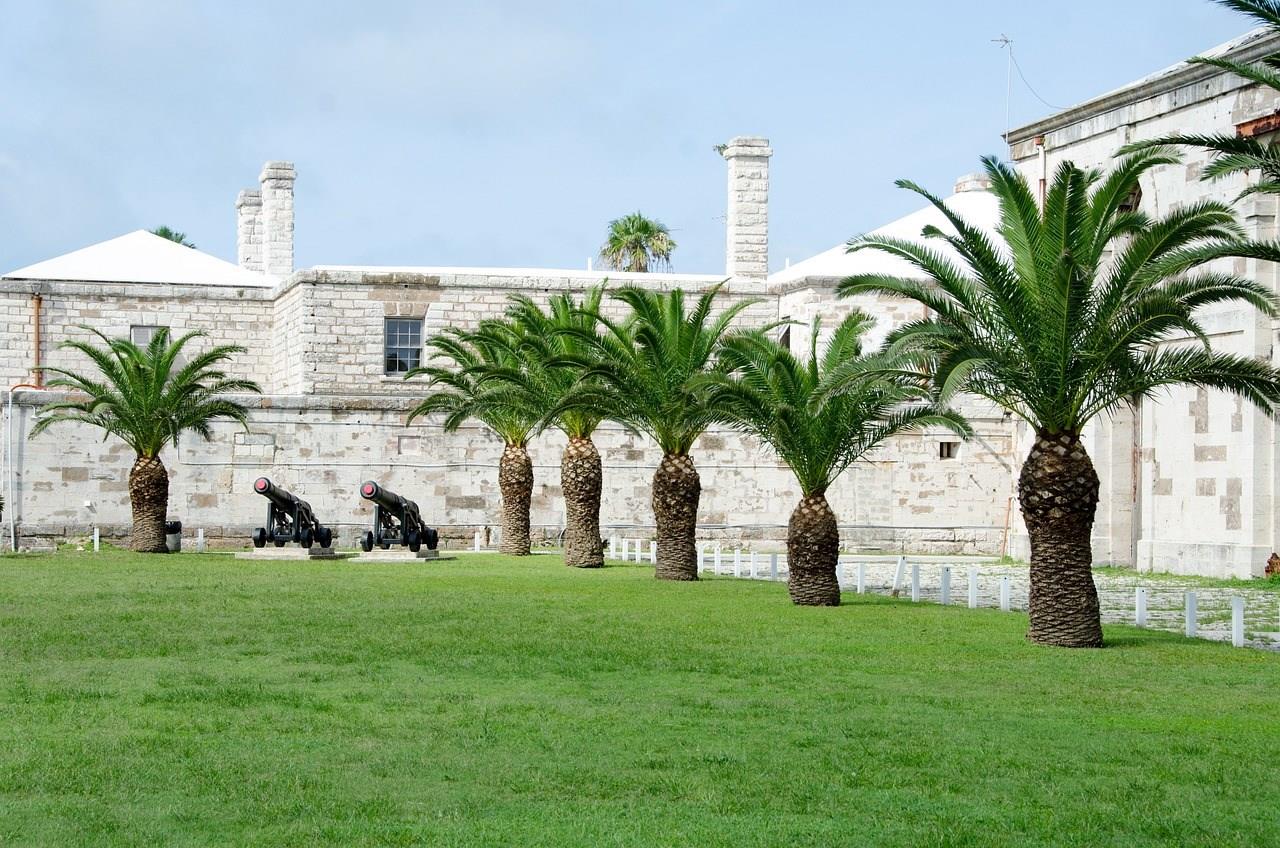
Royal Naval Dockyard
The Royal Naval Dockyard in Bermuda stands as a testament to the island's maritime history and naval heritage. Located at the western tip of Bermuda, this historic site was once a major naval base for the British Royal Navy and is now a thriving hub of culture, history, and tourism. The Dockyard's impressive buildings, including the Commissioner's House and the historic fortifications, offer a glimpse into Bermuda's naval past.

Norway
Norway offers a landscape shaped by glaciers, framed by fjords, and steeped in Viking history. The country's coastline stretches for over 100,000 kilometers if you count every inlet and island, which makes it one of the longest in the world. Travelers can take a ferry through the Geirangerfjord or cruise along the Lofoten Islands, where steep mountain peaks rise dramatically from the sea. These routes aren’t just scenic; they’ve been lifelines for coastal communities for centuries.
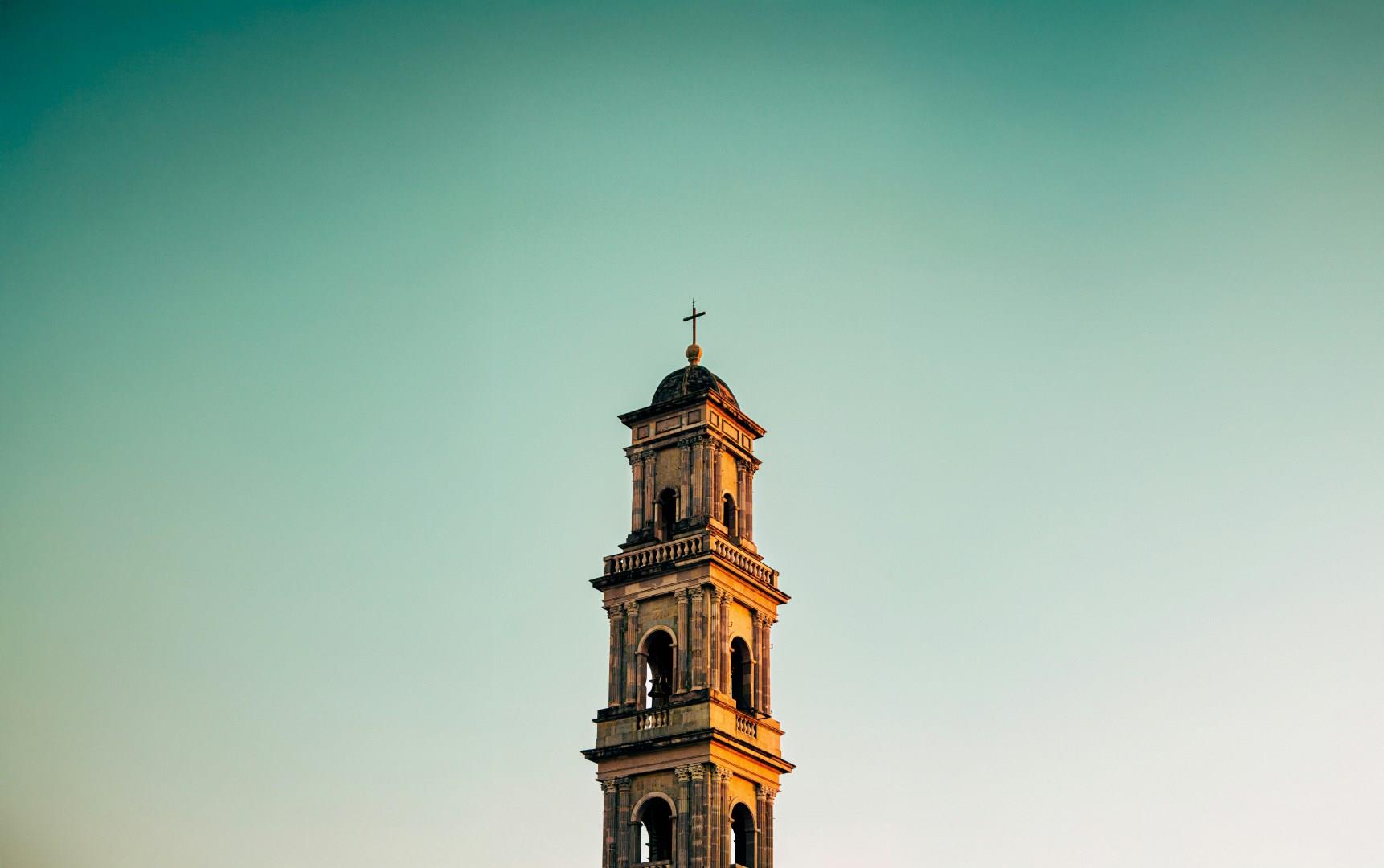
Tampico
Tampico, located on the Gulf Coast of Tamaulipas, is a port city with a layered history shaped by trade, oil, and immigration. Its downtown district is known for neoclassical buildings, many of which were constructed with imported bricks and ironwork from Europe during the oil boom of the early 20th century. One of Tampico’s most photographed structures is the Mercado Municipal, rebuilt in recent years but still functioning as a central hub for daily life.

Belgium
Belgium may be compact, but it offers a surprising variety of experiences shaped by centuries of shifting borders, artistic innovation, and culinary tradition. In Brussels, the Grand Place sets the stage for history and architecture in one square lined with ornate guild halls. The city is also home to the European Union’s headquarters, surrealist painter René Magritte’s former house, and a lively comic book trail that winds through murals of Tintin and other Belgian icons.
