
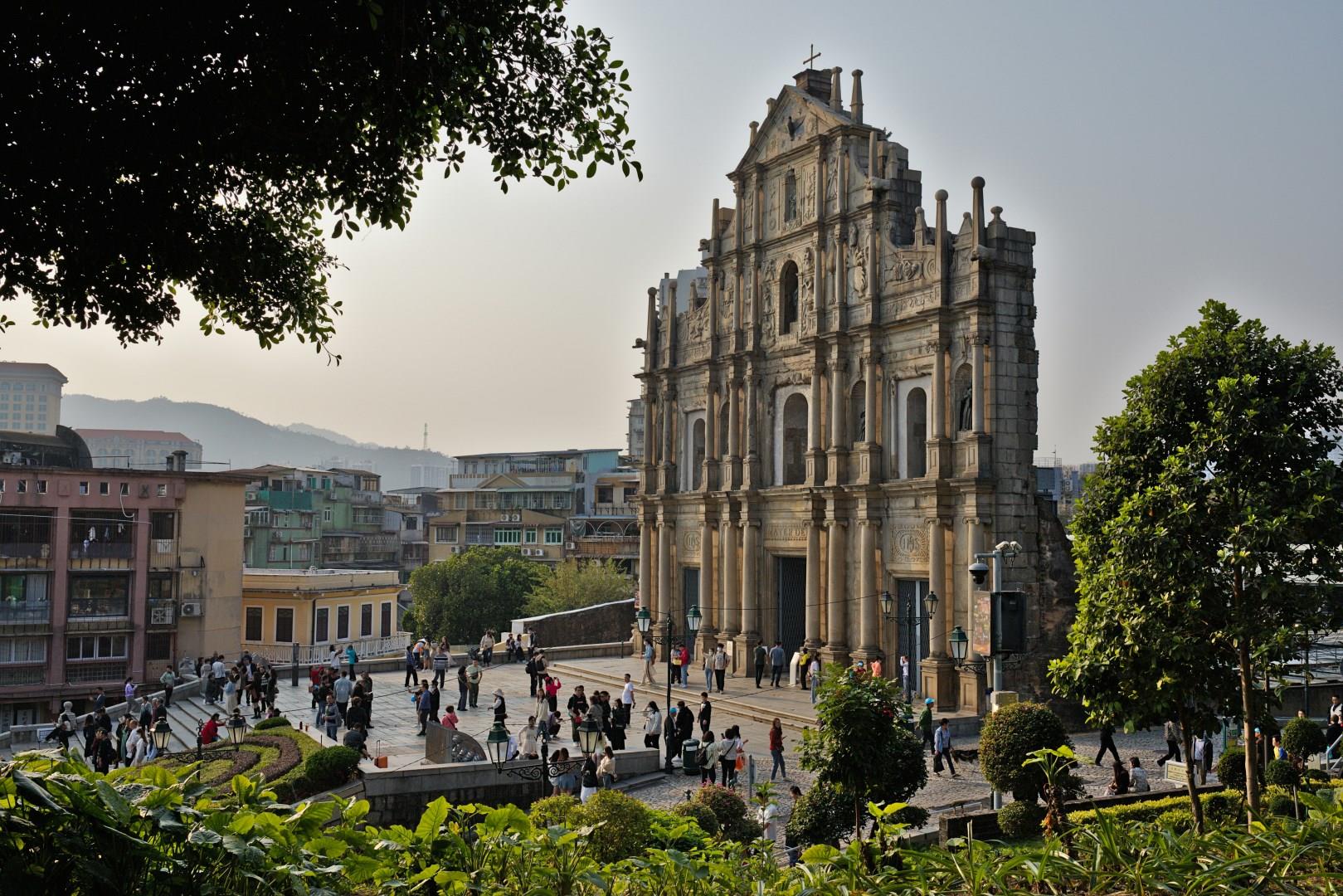
Macao
Macao, a Special Administrative Region of China, is known for its distinctive blend of Portuguese and Chinese heritage. Once a Portuguese colony, the city retains historic squares, colonial architecture, and cobblestone streets that contrast with its modern skyline of resorts and entertainment complexes.
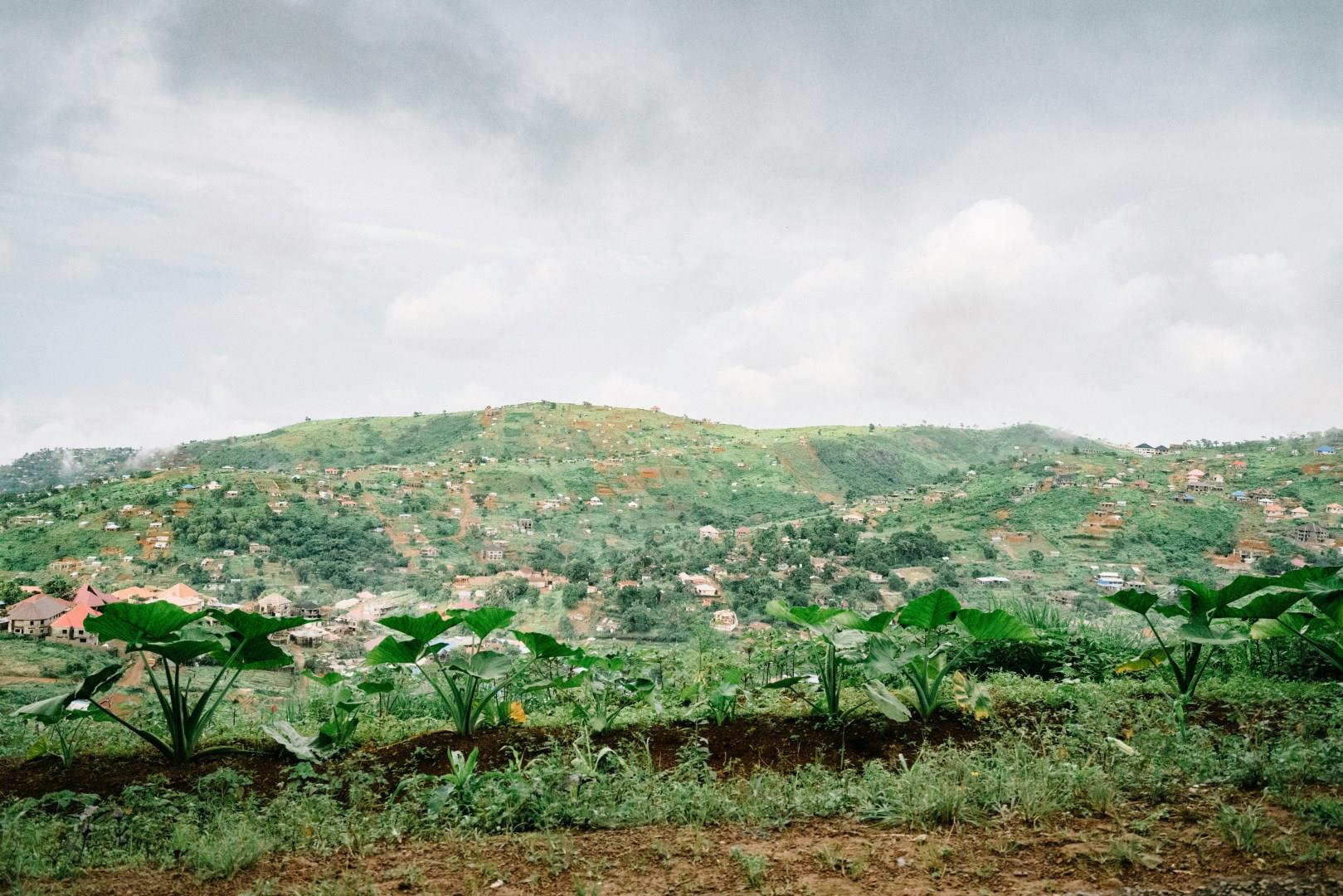
Freetown
Freetown, the capital of Sierra Leone, is a city where history and daily life intertwine along the shores of the Atlantic. Founded in 1792 as a settlement for freed slaves from Britain and the Americas, it remains a place of cultural depth and resilience.
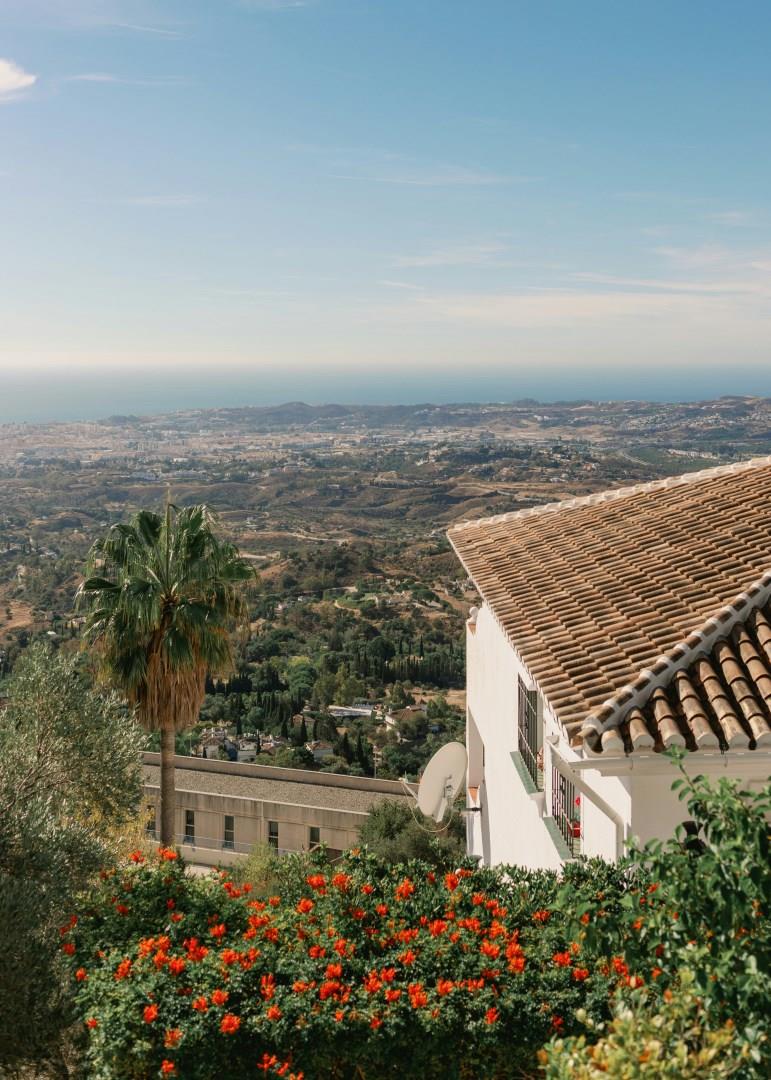
Mijas
Mijas, perched on the hillside above the Costa del Sol, blends centuries of Andalusian tradition with views that stretch across the Mediterranean. The whitewashed buildings of Mijas Pueblo reflect sunlight from narrow cobbled streets that wind through small plazas, each with its own fountain, chapel, or overlook. The town’s layout still follows Moorish-era planning, and remnants of the old wall (La Muralla) offer shaded walks lined with native plants and panoramic views over the coast.
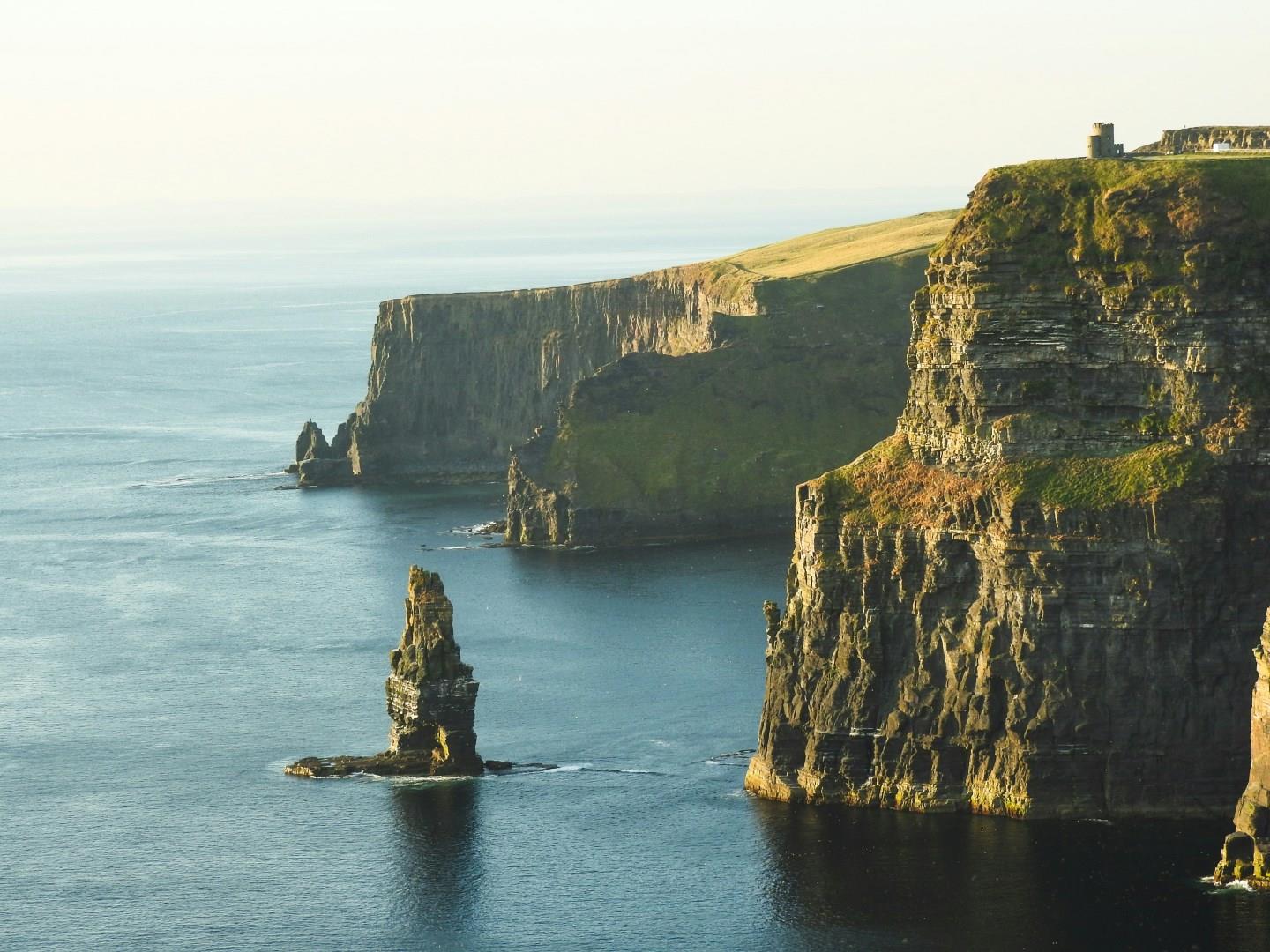
Cliffs of Moher
The Cliffs of Moher rise dramatically from the Atlantic Ocean, stretching for about 8 kilometers along Ireland’s western coast in County Clare. At their highest point near O'Brien's Tower, the cliffs reach 214 meters, offering uninterrupted views of the Aran Islands, Galway Bay, and the craggy peaks of Connemara on a clear day. These ancient sea cliffs have stood for over 300 million years and remain one of the most visited and photographed sites in Ireland.
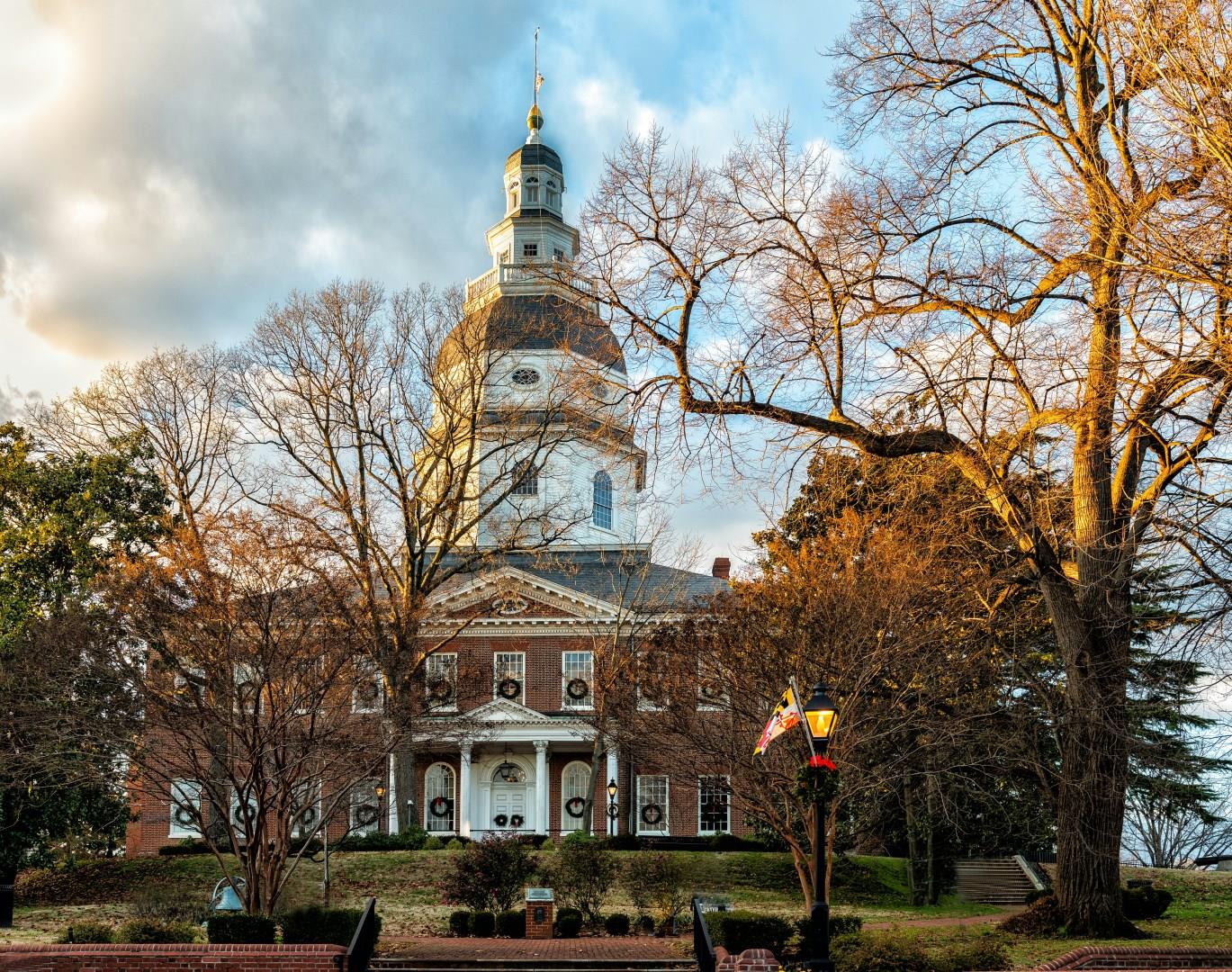
Annapolis
Annapolis may be best known as the state capital, but its real charm lies in its deep maritime history, walkable streets, and Chesapeake Bay lifestyle. Founded in 1649, Annapolis served as the temporary capital of the United States in 1783 and is still home to the oldest state house in continuous legislative use. A visit to the Maryland State House, where George Washington famously resigned his military commission, offers a direct link to the early days of American democracy.
