

Rapid City
Rapid City is the gateway to iconic Mount Rushmore National Memorial and a delightful stop for your next trip to South Dakota.

Lisbon
Lisbon, the enchanting capital of Portugal, entices sightseers with its vibrant color, stunning Gothic architecture, and temperate weather. Easily traversed by foot or tram, the city’s distinct quarters and vivid cultural landmarks make Lisbon an excellent spot for exploration.
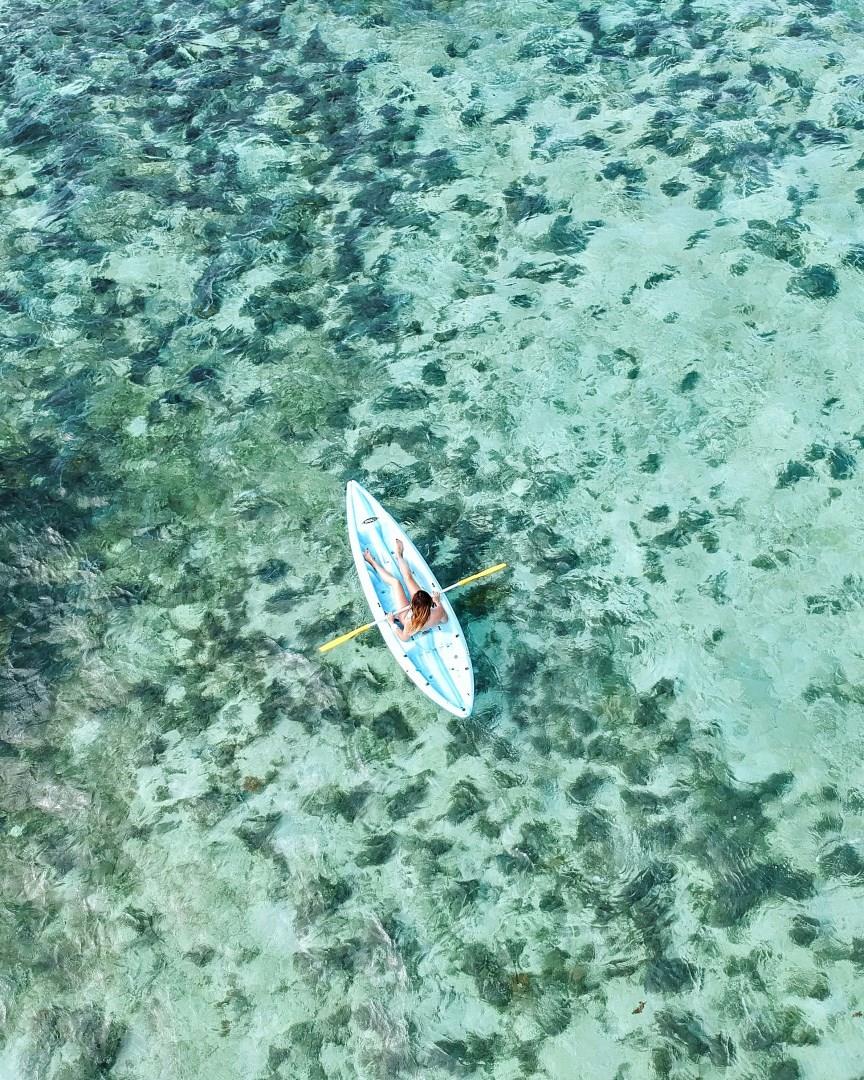
Coral Coast
The Coral Coast stretches along the southern edge of Fiji’s main island of Viti Levu, beginning around 15 km south of Nadi and continuing toward Suva. This 80 km shoreline is dotted with beaches that widen at low tide, bays set against green hills, and a series of small townships that feel welcoming and down to earth. Sigatoka, often called the gateway to the Coral Coast, sits beside the winding Sigatoka River, where local markets brim with fresh tropical fruit and handmade crafts.

Olden
Nestled along the stunning Sognefjord in Norway, the charming town of Olden offers a gateway to some of Scandinavia’s most breathtaking landscapes. This picturesque settlement is renowned for its proximity to the Jostedalsbreen Glacier, the largest glacier in mainland Europe.
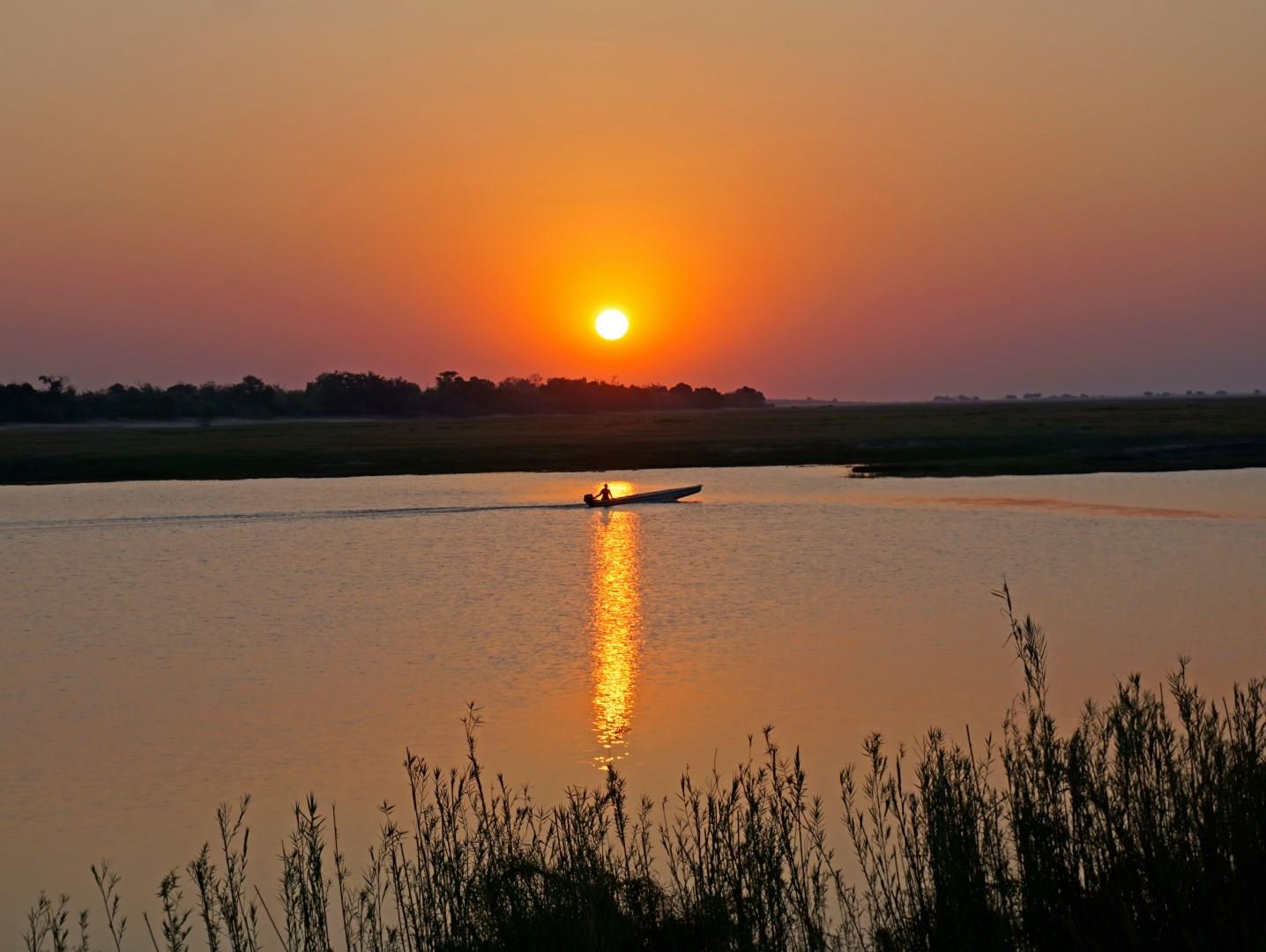
Chobe River
The Chobe River forms the northern boundary of the Chobe National Park. Animal lovers and safari enthusiasts know it as the place where the elephants congregate during winter's dry season and migrant birds are in full color during the wet summer months. The river itself is actually a section of the Cuando River, known as the Chobe from the seasonal lake Liambesi to its outflow at the Zambezi River.
