

Golubac
Golubac is a gateway to the Iron Gates Gorge, a stretch of the Danube River that separates the Carpathian and Balkan mountains.
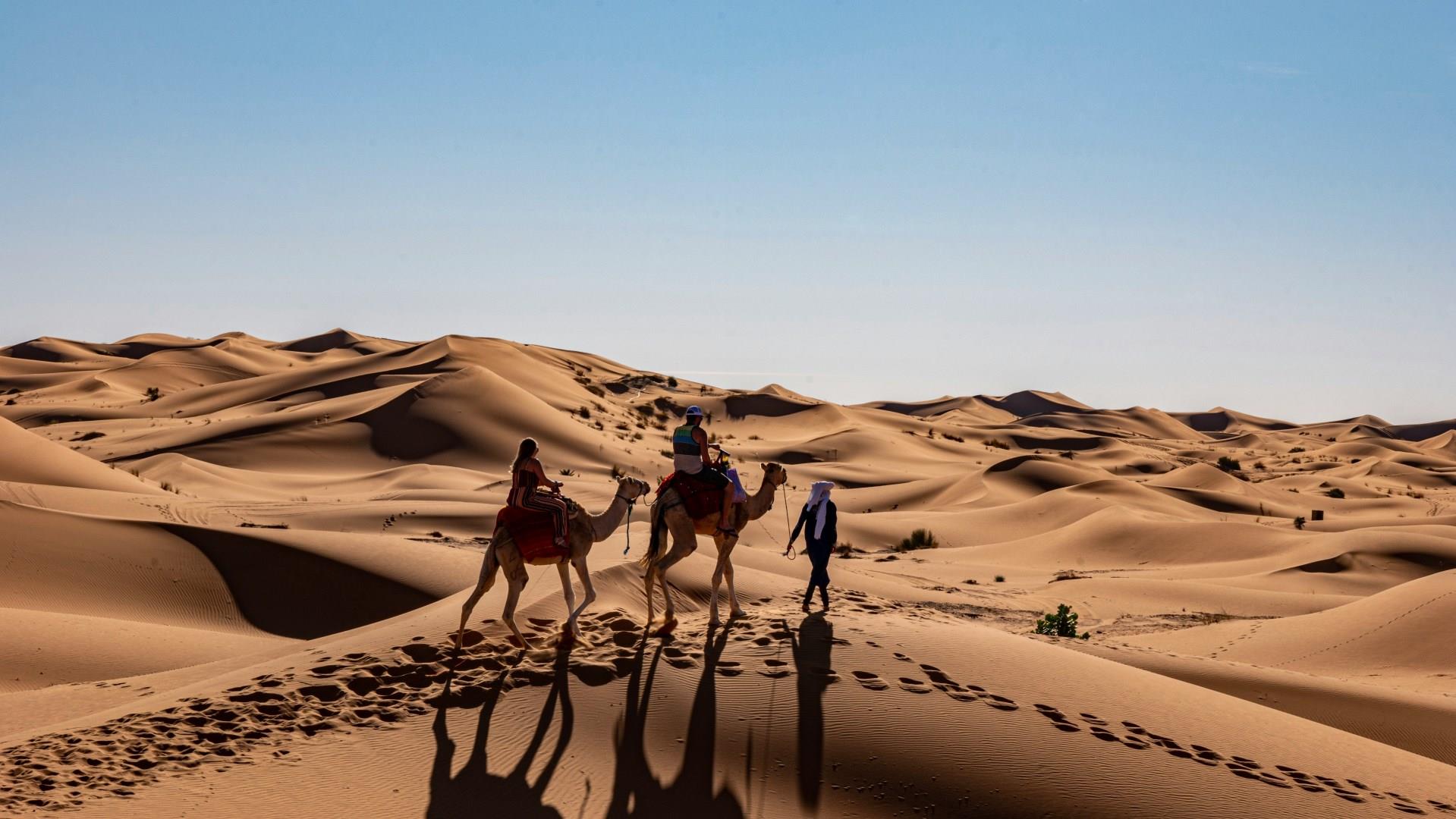
Erfoud
Erfoud, a desert town in eastern Morocco, is often seen as the last stop before the endless dunes of the Sahara begin. But this oasis holds more than just a convenient location. Known as the "Gateway to the Desert," Erfoud is steeped in history that predates the modern borders of Morocco. It was once a French colonial outpost, and today, its dusty streets and adobe buildings offer a glimpse into a slower, older way of life that still shapes the region’s identity.

Dominica
Dominica, known as the “Nature Island of the Caribbean,” is a haven for eco-tourists and adventure seekers. Nestled between the French islands of Guadeloupe and Martinique, this lush island boasts a remarkable landscape of volcanic mountains, dense rainforests, and stunning waterfalls. Dominica’s most iconic natural wonder is the Boiling Lake, the second-largest hot spring in the world.
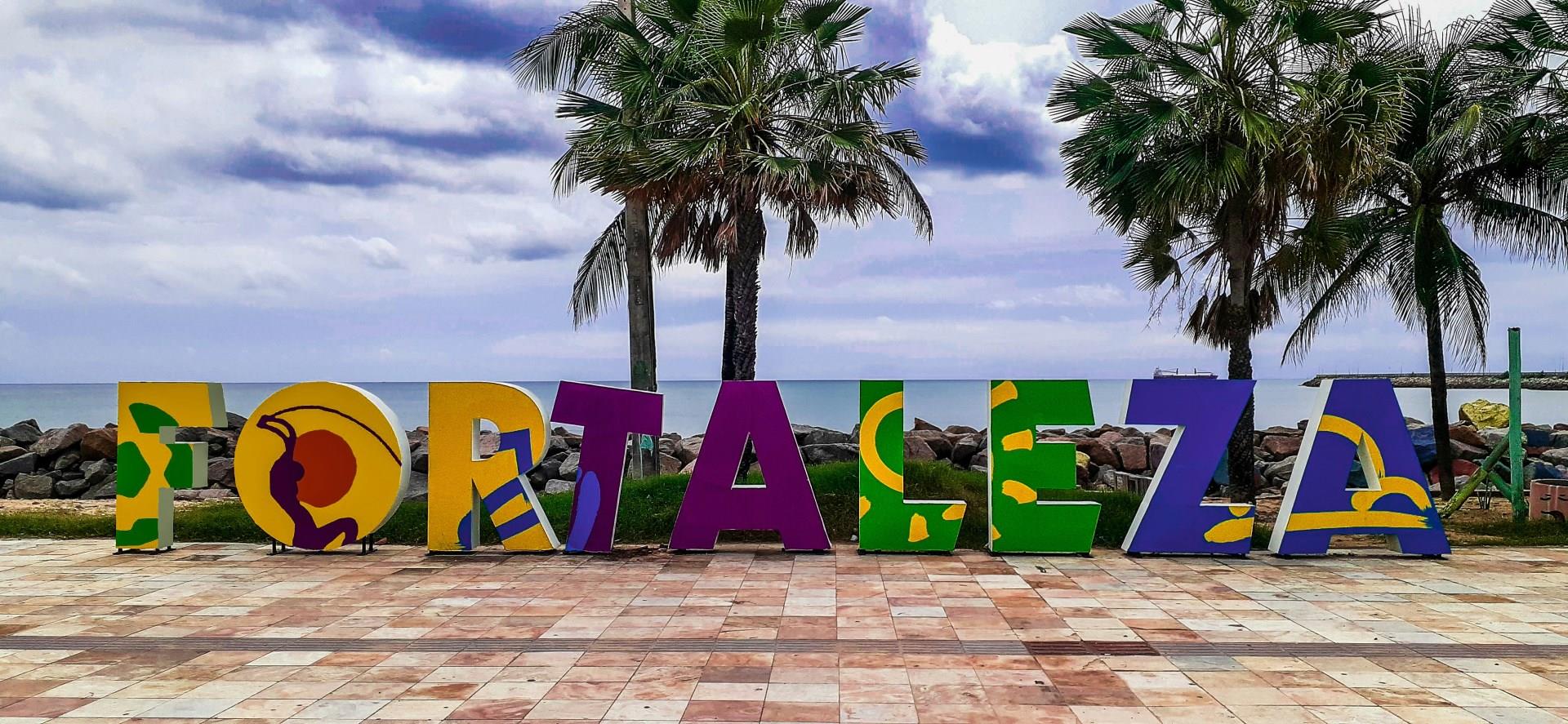
Fortaleza
Fortaleza, on Brazil’s northeastern Atlantic coast, greets visitors with wide sandy beaches that stretch for miles along warm, blue water. Beyond the city’s shoreline, dramatic dunes and inviting waters make Fortaleza an ideal base for exploring nearby beach towns like Cumbuco and Canoa Quebrada, each with its own rhythms and landscapes.

Lithuania
Lithuania offers visitors a chance to explore a country where medieval traditions and modern culture meet. Vilnius, the capital, is known for its well-preserved Old Town, a UNESCO World Heritage site filled with winding streets, baroque churches, and cozy squares. Visitors can climb the hill to Gediminas’ Tower for a sweeping view of the city, or visit the Gates of Dawn, an important religious and historical monument that has welcomed travelers for centuries.
