

Split
Split, Croatia, is a city where ancient history and modern vibrancy blend seamlessly, creating an alluring destination for travelers. At the heart of Split is the UNESCO World Heritage Site of Diocletian's Palace, a remarkably well-preserved Roman complex built by Emperor Diocletian in the 4th century AD. This sprawling palace complex, with its labyrinthine streets, ancient walls, and grand Peristyle courtyard, is not just a historical site but a bustling part of the city’s daily life.

Doha
Doha presents a journey where heritage and modern design intersect gracefully. The Museum of Islamic Art, designed by I. M. Pei, rises from the Corniche and houses ceramics, textiles, manuscripts, and metalwork spanning fourteen centuries. Nearby, the National Museum of Qatar, shaped like a desert rose, narrates the country's story through immersive exhibits and architecture by Jean Nouvel. These institutions offer perspectives on both art and national identity.

Luxembourg
Luxembourg City, the capital of the Grand Duchy of Luxembourg, is a stunning blend of medieval charm and modern sophistication. Perched atop dramatic cliffs and surrounded by deep gorges, this city offers a unique and breathtaking landscape. The UNESCO-listed Old Town is an essential starting point for visitors, with its ancient fortifications, narrow cobblestone streets, and grand squares.
Bridgeport
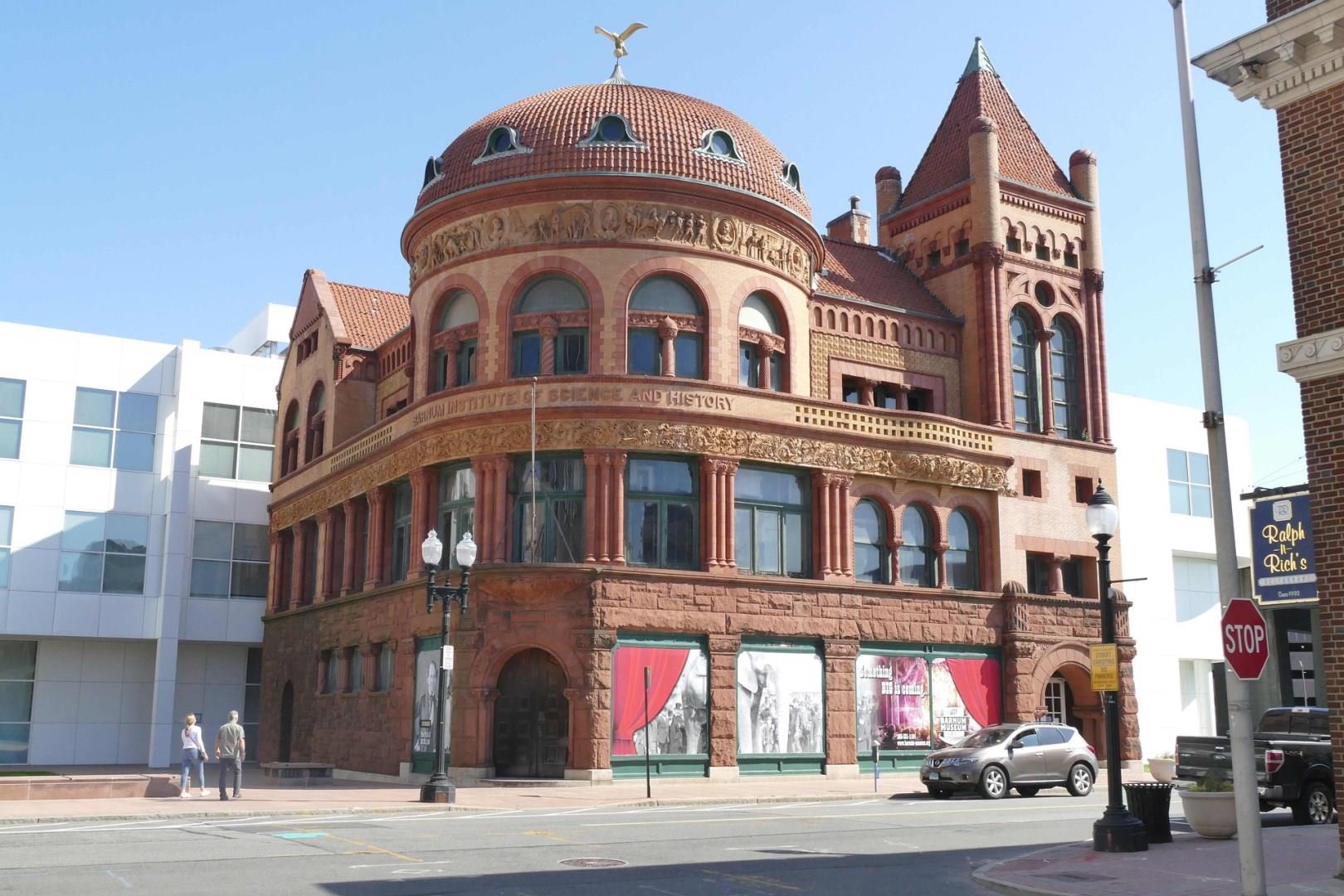
Bridgeport, Connecticut, offers visitors a fascinating mix of historical significance, cultural diversity, and coastal charm. As the largest city in the state, Bridgeport is known for its rich industrial past and vibrant waterfront. One of the must-visit spots is Seaside Park, a stunning 325-acre public park designed by Frederick Law Olmsted, the same visionary behind New York’s Central Park.

Zambia
Zambia, a landlocked country in southern Africa, is celebrated for its dramatic landscapes, diverse wildlife, and warm hospitality. Known as the “real Africa” by many travelers, it is home to some of the continent’s most famous natural wonders and national parks.
