

Denmark
Denmark is a country shaped by water, wind, and centuries of human ingenuity. In places like Roskilde, visitors can see five original Viking ships at the Viking Ship Museum and even try rowing a replica longboat across the fjord. In Copenhagen, the harbor once used by merchants and sailors now welcomes swimmers, kayakers, and ferries, with historic warehouses repurposed into restaurants and museums.

Dominica
Dominica, known as the “Nature Island of the Caribbean,” is a haven for eco-tourists and adventure seekers. Nestled between the French islands of Guadeloupe and Martinique, this lush island boasts a remarkable landscape of volcanic mountains, dense rainforests, and stunning waterfalls. Dominica’s most iconic natural wonder is the Boiling Lake, the second-largest hot spring in the world.
Blair Atholl
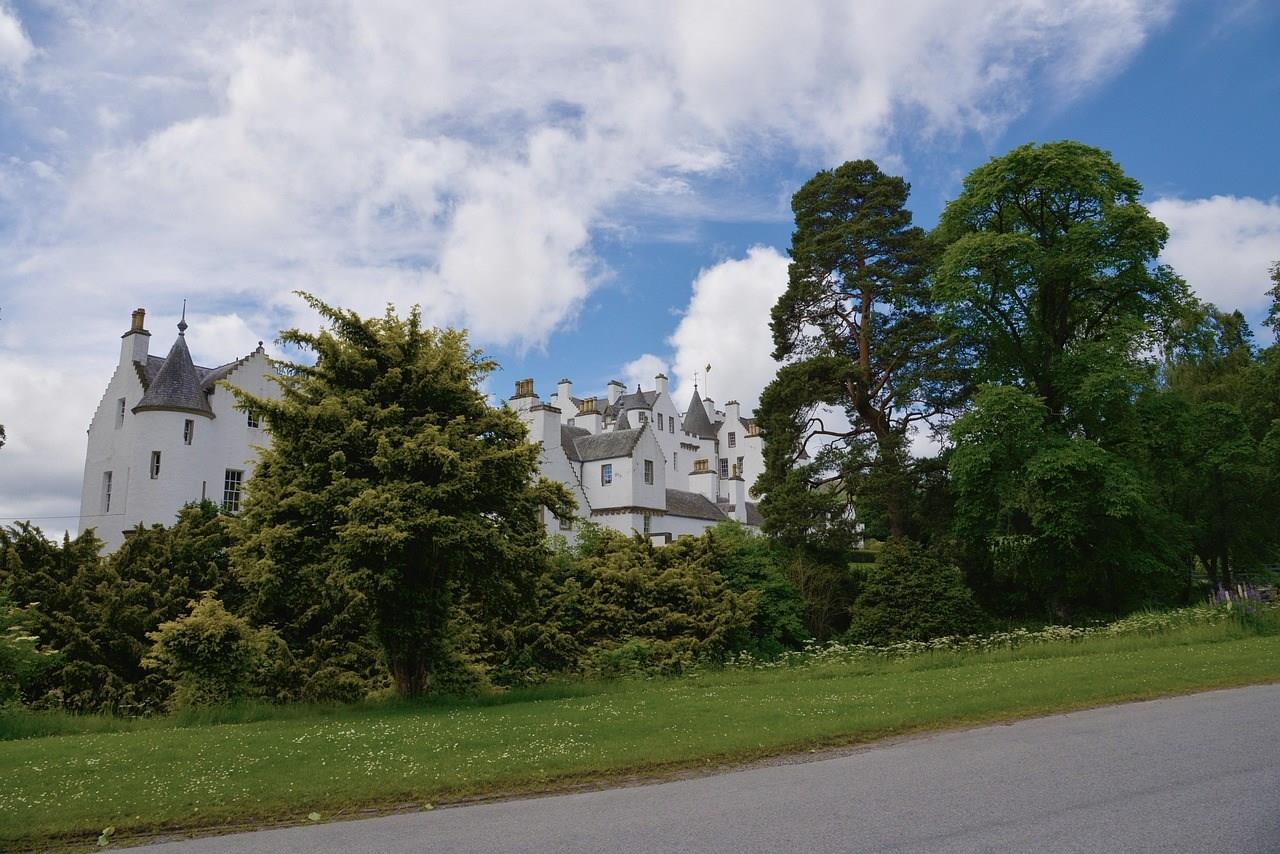
Blair Atholl, a village in the heart of Highland Perthshire, Scotland, is best known as the home of Blair Castle, a striking white-walled fortress that has stood for over seven centuries.
Te Anau
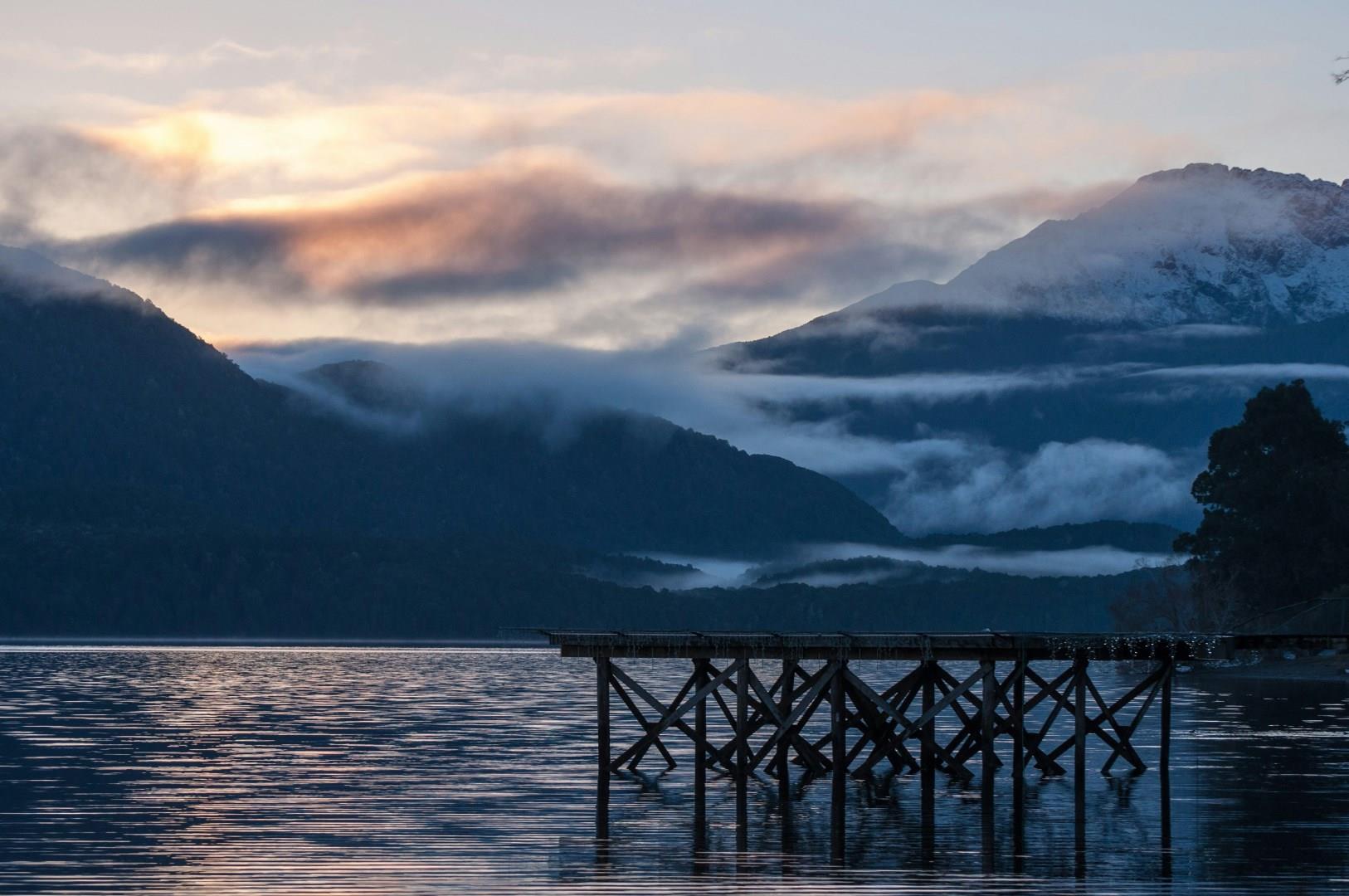
Te Anau sits on the edge of New Zealand’s second-largest lake, acting as the unofficial gateway to Fiordland National Park. While it’s often viewed as a starting point for trips to Milford Sound, the town itself offers a slower, more scenic way to experience the South Island’s dramatic landscapes. Te Anau’s lakefront is a mix of walking paths, local birdlife, and wide-open views across snow-dusted peaks.
Lefkada
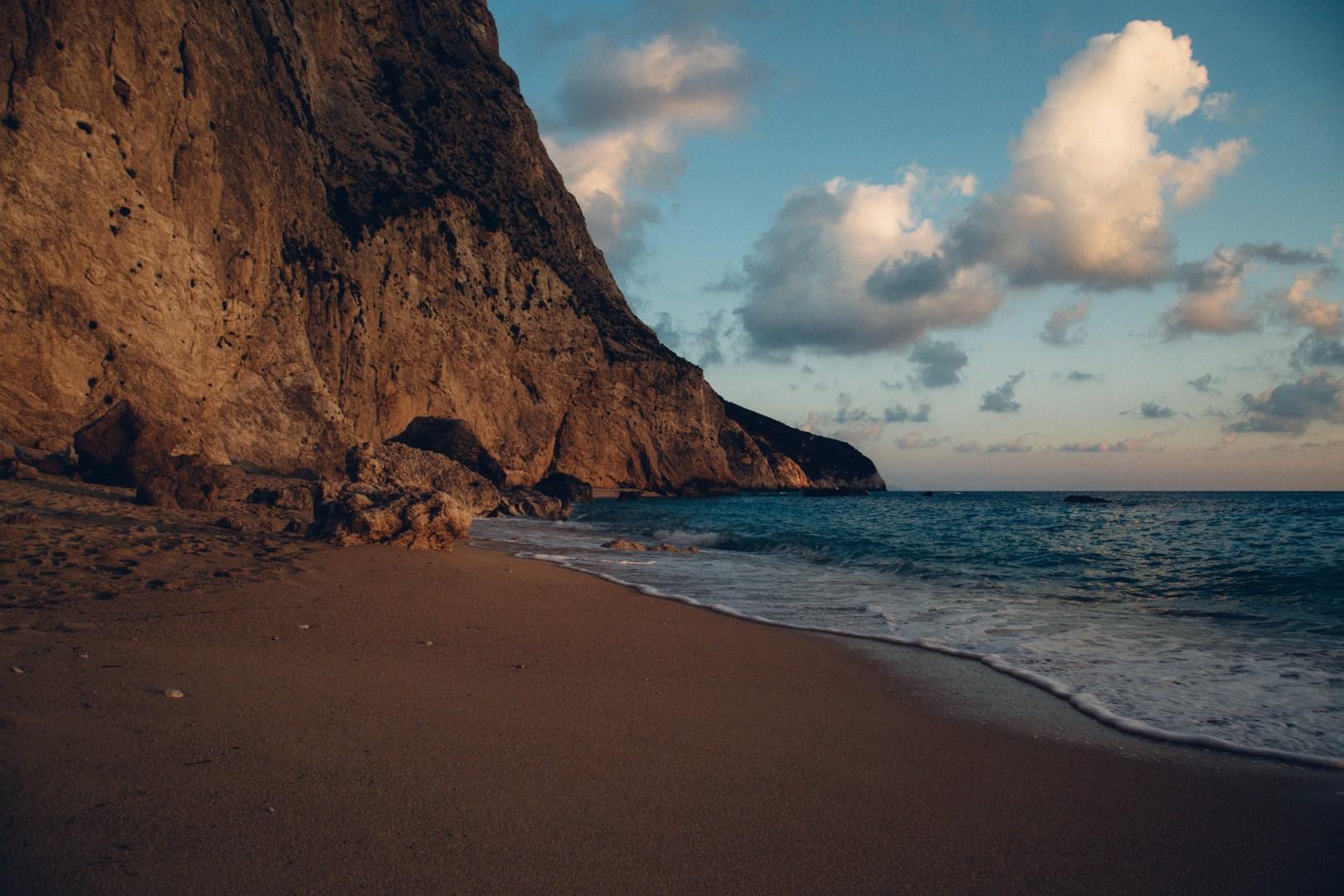
Lefkada, an island in the Ionian Sea, is renowned for its stunning natural beauty and vibrant local culture. Connected to the mainland by a bridge, this Greek island offers a unique blend of sandy beaches, lush landscapes, and charming towns. Visitors are often drawn to Lefkada's world-famous beaches, such as Porto Katsiki and Egremni, which boast crystal-clear waters and dramatic cliffs. These beaches are perfect for sunbathing, swimming, and water sports, making Lefkada a haven for beach lover
