
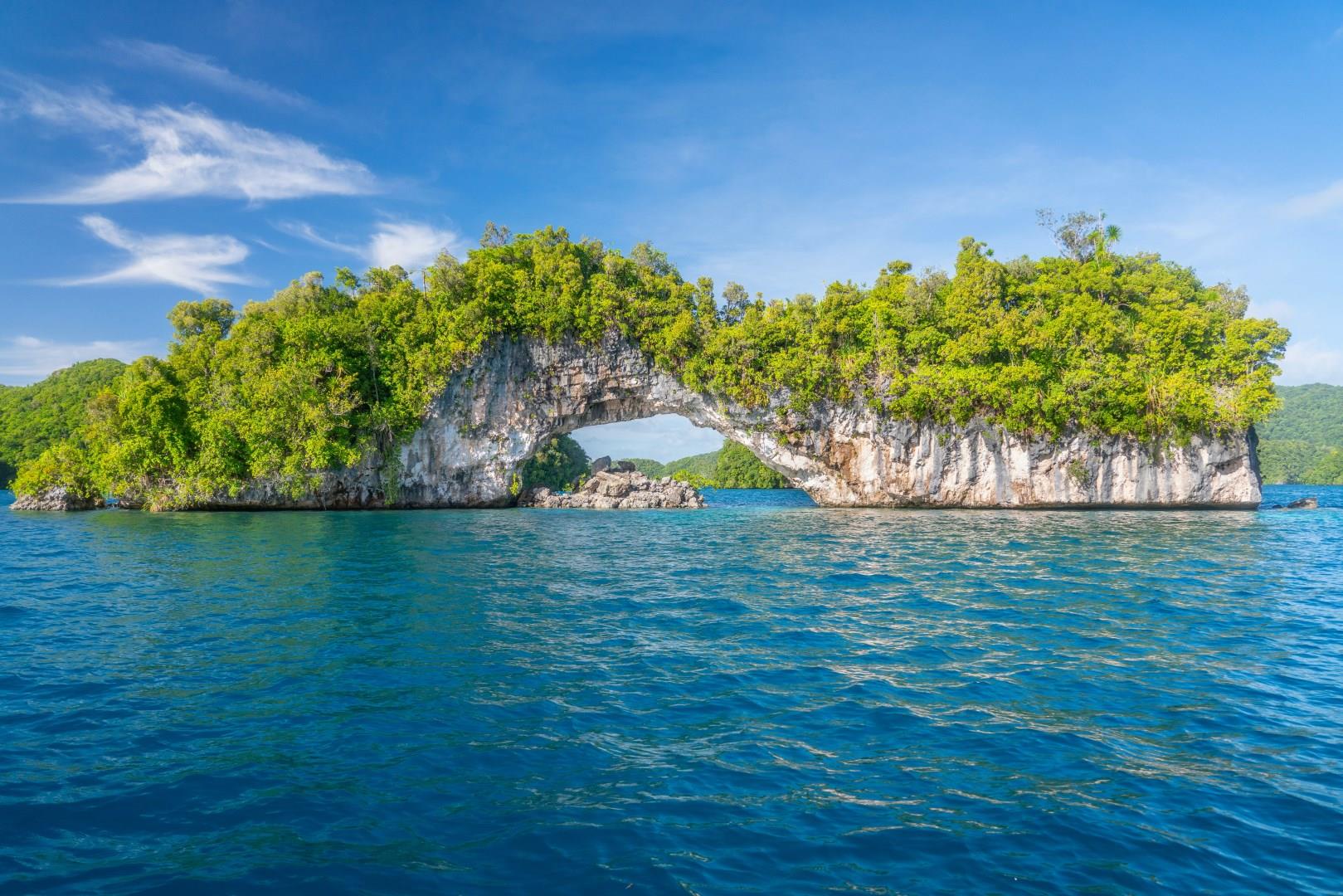
Palau
Palau, a Pacific island nation made up of over 500 islands, offers a one-of-a-kind experience for travelers who want to discover something both ancient and alive. Located between the Philippines and Guam, this small country is known for its otherworldly seascapes, but its appeal runs far deeper than its turquoise waters.
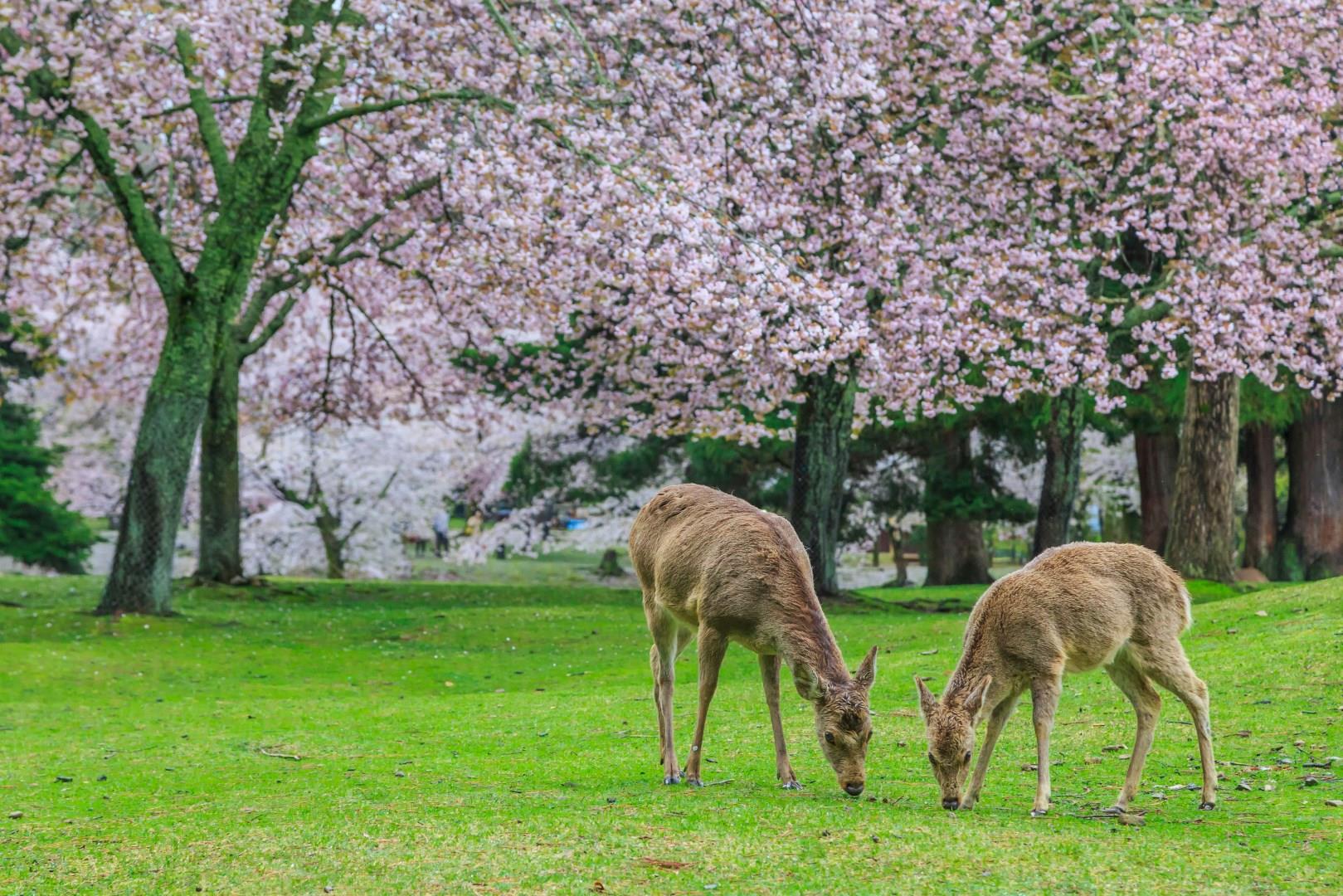
Nara
Nara, located in Japan’s Kansai region, is a city where ancient history and serene landscapes coexist. As the country’s first permanent capital, it preserves a wealth of historic sites that reflect its significance during the Nara period.

Southampton
Southampton is a city shaped by the sea. Located on the southern coast of England, it has been a key maritime port for centuries. In 1912, the RMS Titanic set sail from its docks, and today, the SeaCity Museum tells the story through the lives of local residents connected to the voyage. The medieval city walls, which are some of the best-preserved in England, still stand, offering a walk through time with views of old merchant houses, towers, and hidden vaults once used to store wine and wool.

Delphi
Delphi is an iconic historical site and was once the sacred precinct of classical Greece, due to its role in Greek myth as the seat of a prophetic oracle.
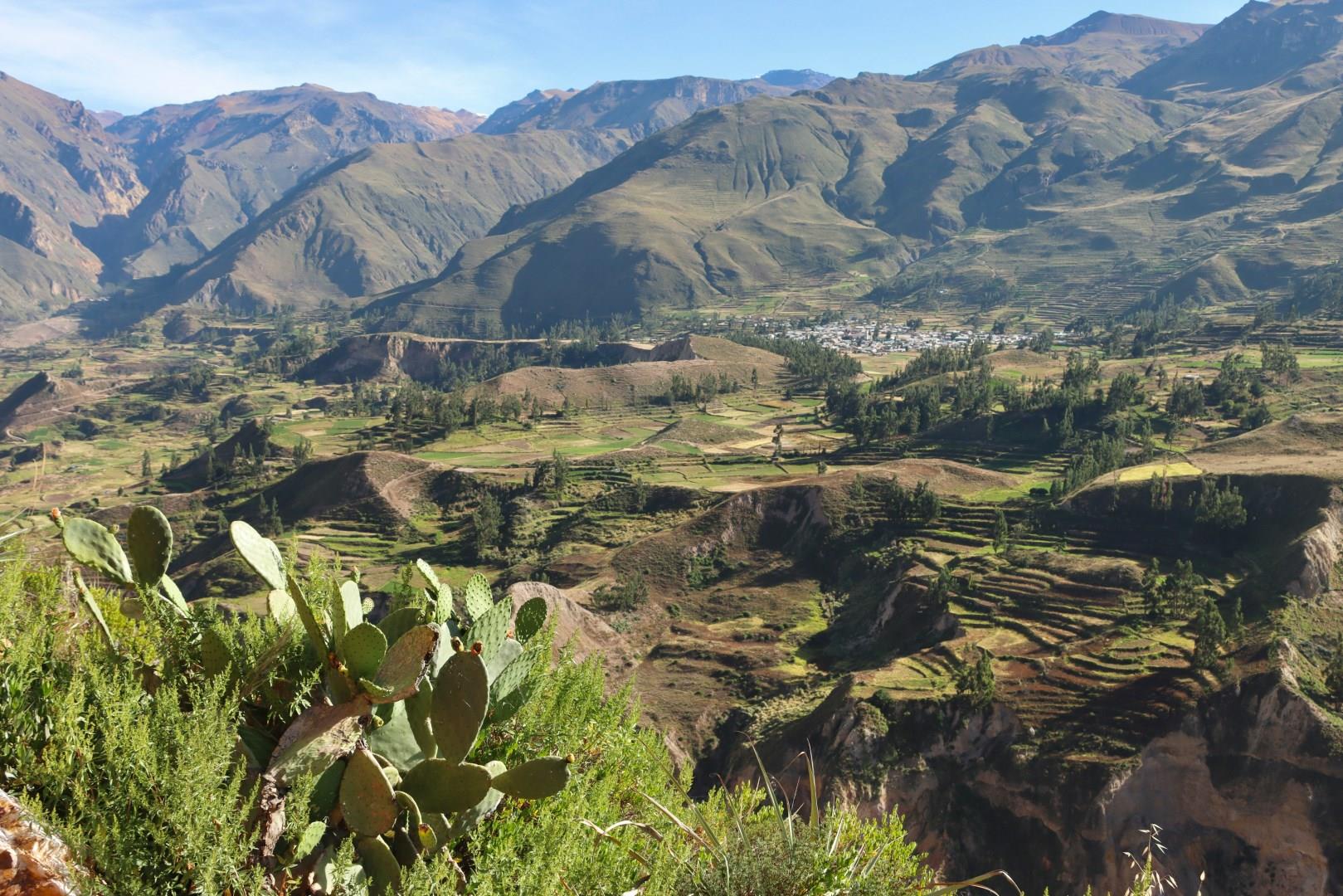
Colca Canyon
Colca Canyon, located in southern Peru’s Arequipa region, is one of the deepest canyons in the world, twice as deep as the Grand Canyon in some areas. What makes it stand out even more is how human settlements have coexisted with the landscape for centuries. Along its walls, pre-Inca agricultural terraces still hold crops like corn and quinoa. One of the main draws of the canyon is the opportunity to see Andean condors in flight.
