
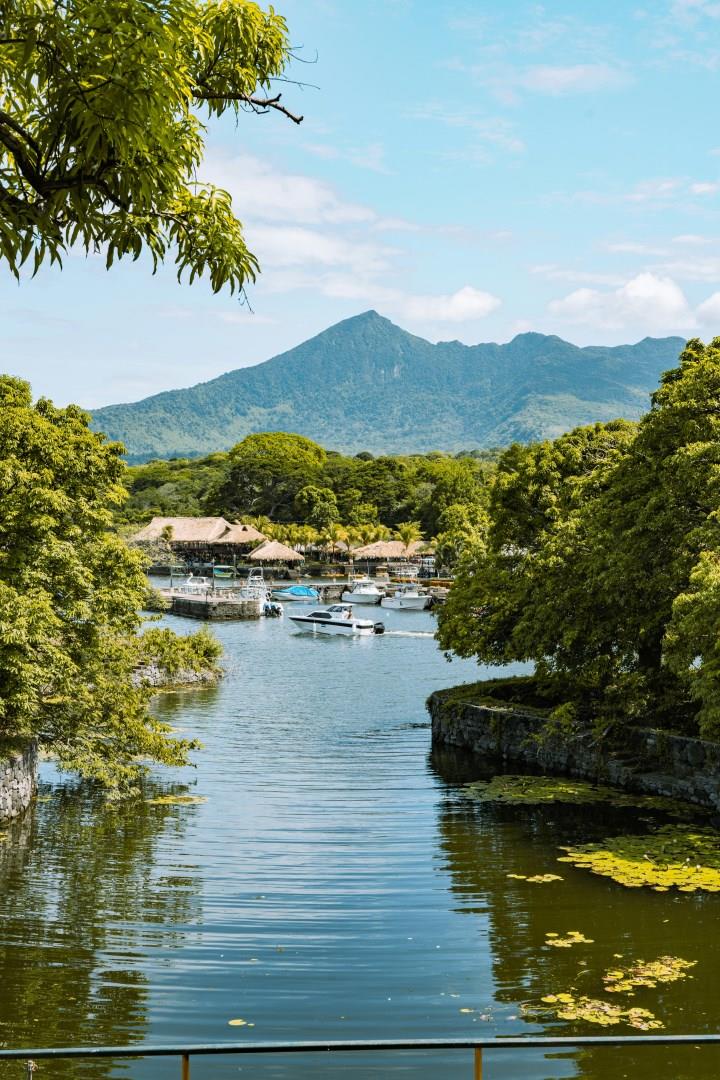
Granada
Granada, Nicaragua, founded in 1524, is one of the oldest European-established cities on the mainland of the Americas where visitors can explore cobblestone streets lined with brightly painted facades. The mustard-yellow Granada Cathedral dominates the central park and provides an easy reference point for those navigating the city on foot or by traditional horse-drawn carriage.

Brazil
Brazil is a country that moves to its own rhythm whether it be samba, bossa nova, the roar of waterfalls or the quiet of the rainforest. Stretching from the Amazon Basin to the Atlantic coastline, Brazil offers both iconic cityscapes and vast natural frontiers. In Rio de Janeiro, visitors can ride a cable car up to Sugarloaf Mountain, watch the sunset from Arpoador, or join a drumbeat-filled bloco during Carnival, where the streets turn into one massive celebration of music, movement, and color.
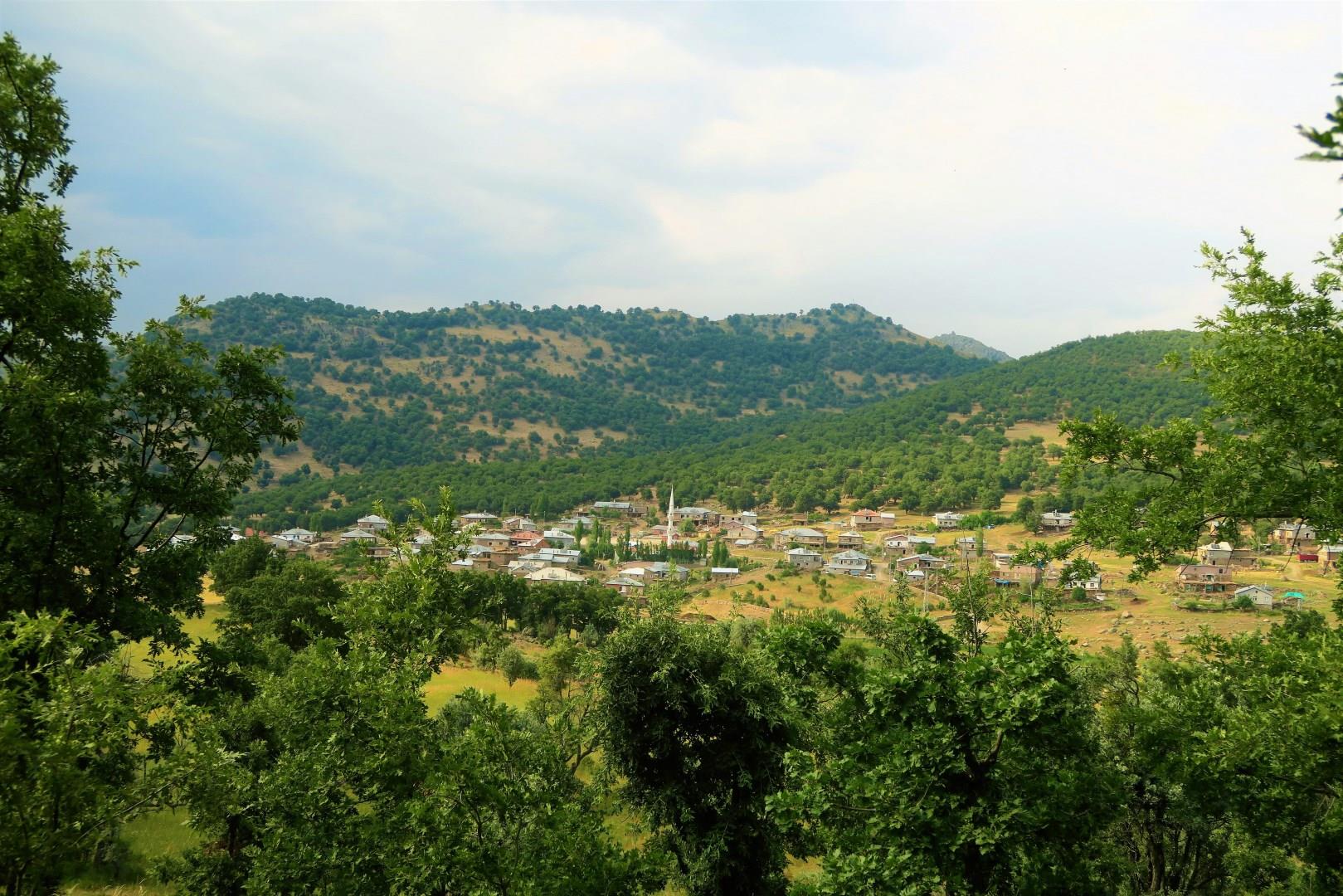
Konya
Konya has served as a spiritual center for centuries. Every December, the Şeb‑i Arûs festival marks the passing of Rumi, the Persian mystic, and draws Sufis and visitors from around the world to witness the Sema. Whirling dervish dance is performed to the sound of ney flutes and drums. In one of the country's most hushed and vivid traditions, performers spin in unison in flowing white skirts, a scene that blends meditation with graceful motion in a way found nowhere else.

Bahamas
The Bahamas, an archipelago of more than 700 islands and cays, is known for its dazzling turquoise waters, powdery white and pink sand beaches, and vibrant culture rooted in African, British, and Caribbean influences.
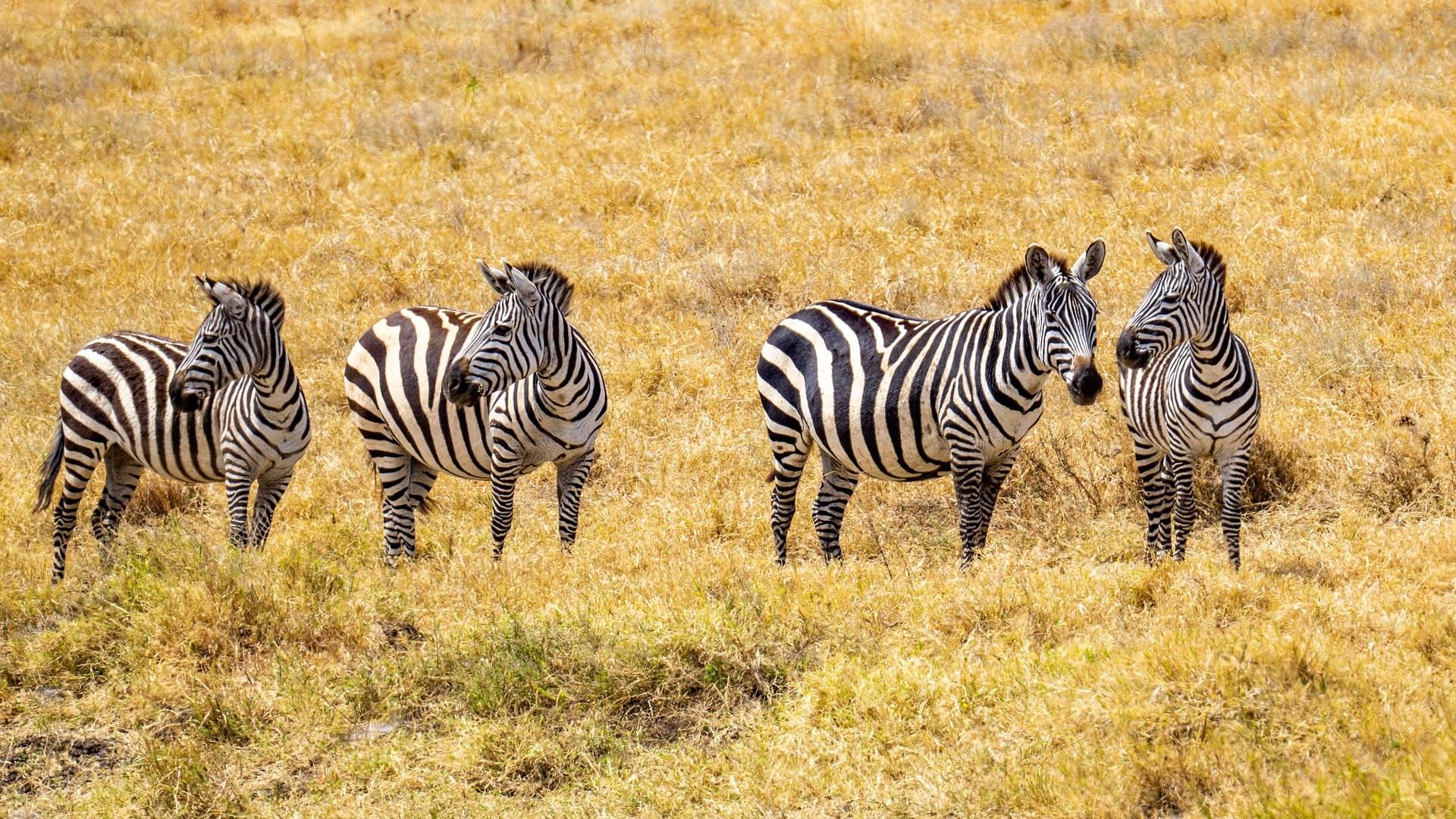
Tanzania
Tanzania, located in East Africa along the Indian Ocean, is a country of extraordinary landscapes and cultural diversity. It is home to Africa’s tallest peak, Mount Kilimanjaro, and vast plains such as the Serengeti, where wildlife roams freely across open savannas.
