
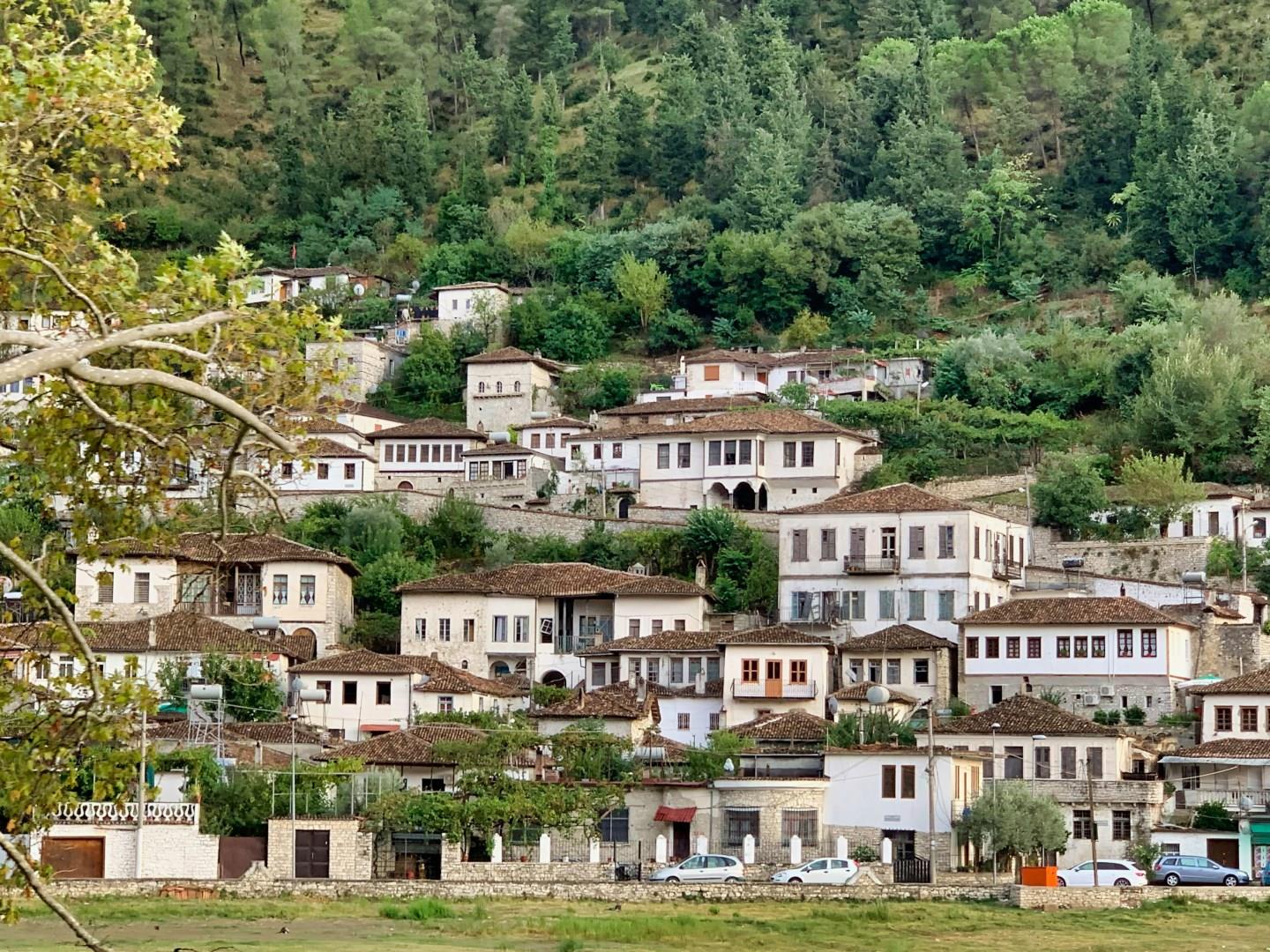
Berat
Berat, set along the Osum River in central Albania, is a city shaped by centuries of continuity and coexistence. Known as the City of a Thousand Windows, its white Ottoman-era houses climb the hillside toward a hilltop fortress, creating a striking and harmonious skyline.
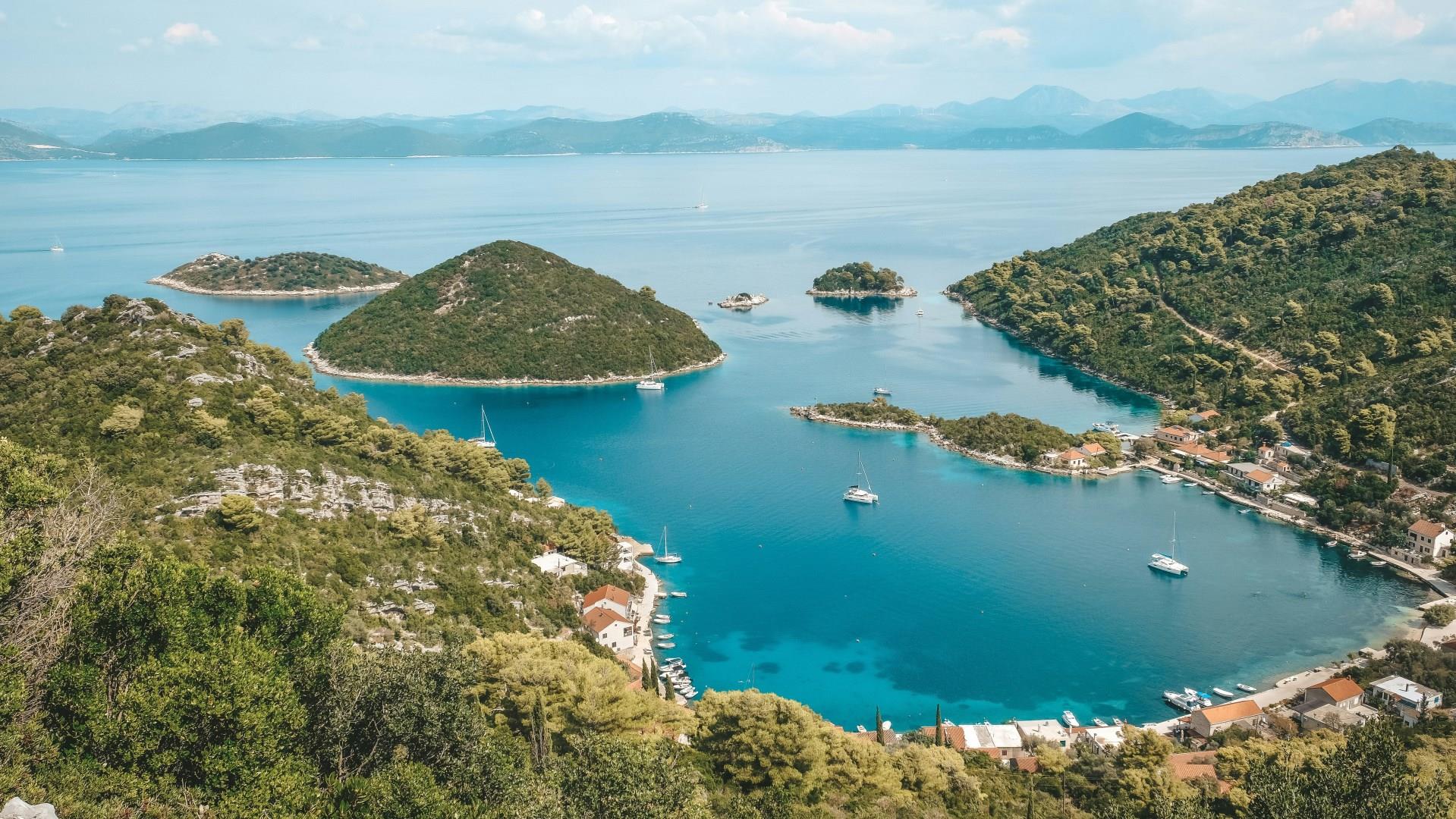
Mljet National Park
Mljet National Park sits on the western side of Mljet Island in Croatia’s Adriatic Sea, a place where saltwater lakes meet ancient forest pathways. The park stretches across nearly one-third of the island, with Veliko Jezero (Great Lake) and Malo Jezero (Small Lake) as their most striking features. These two saltwater lakes are connected by a narrow channel to the open sea, creating calm blue waters that draw visitors for swims, casual kayak outings, or peaceful cycles around the shaded paths.
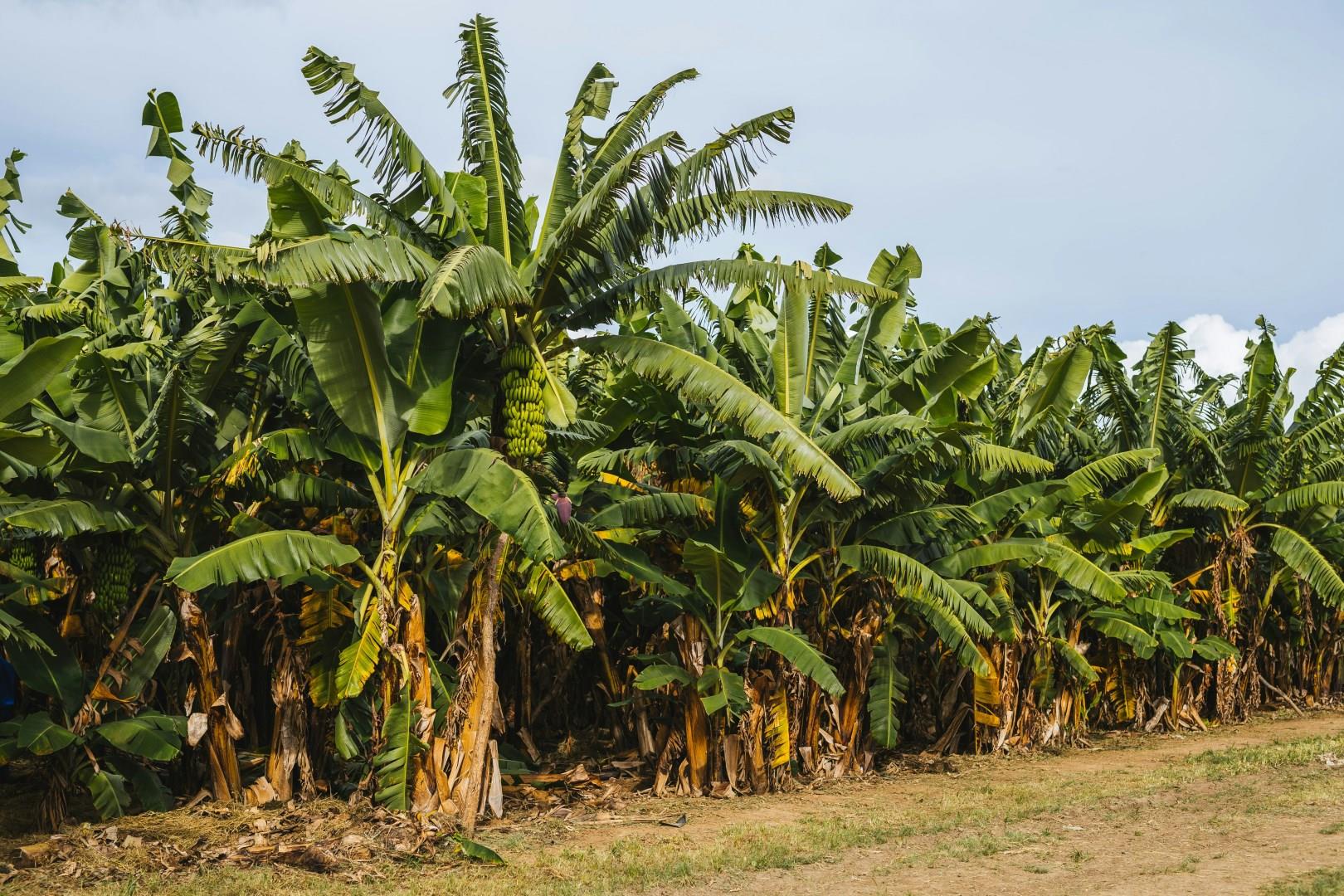
Lusaka
Lusaka, the capital of Zambia, is a city that blends modern energy with authentic African culture. As the country’s largest urban center, it serves as the gateway for travelers exploring Zambia’s natural wonders while also offering its own dynamic experiences.
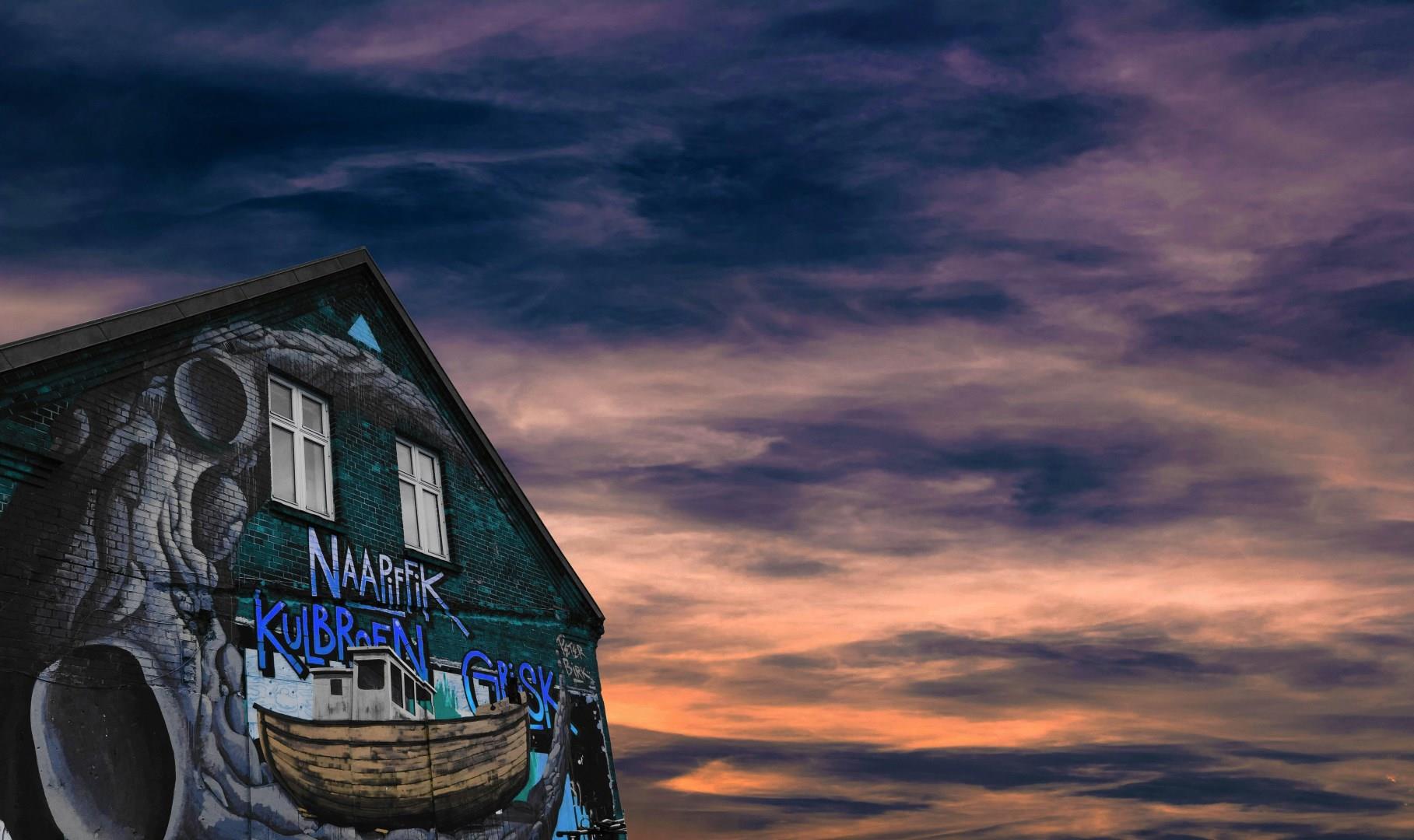
Aarhus
Aarhus, Denmark's second-largest city, offers a captivating blend of historical charm and modern vibrancy. Founded in the 8th century, Aarhus boasts a rich history that visitors can explore at the Old Town Museum, an open-air museum that recreates Danish life through the ages with its historical buildings and interactive exhibits. The city's medieval roots are also visible in the well-preserved Aarhus Cathedral.

Belfast
Belfast, the vibrant capital of Northern Ireland, is a city steeped in rich history and brimming with cultural charm. Known for its role in the Industrial Revolution, it was once a major shipbuilding hub, most famously the birthplace of the RMS Titanic. Today, visitors can explore the Titanic Quarter, where the Titanic Belfast museum stands as a modern architectural marvel, offering a fascinating and interactive journey through the ship's history.
