
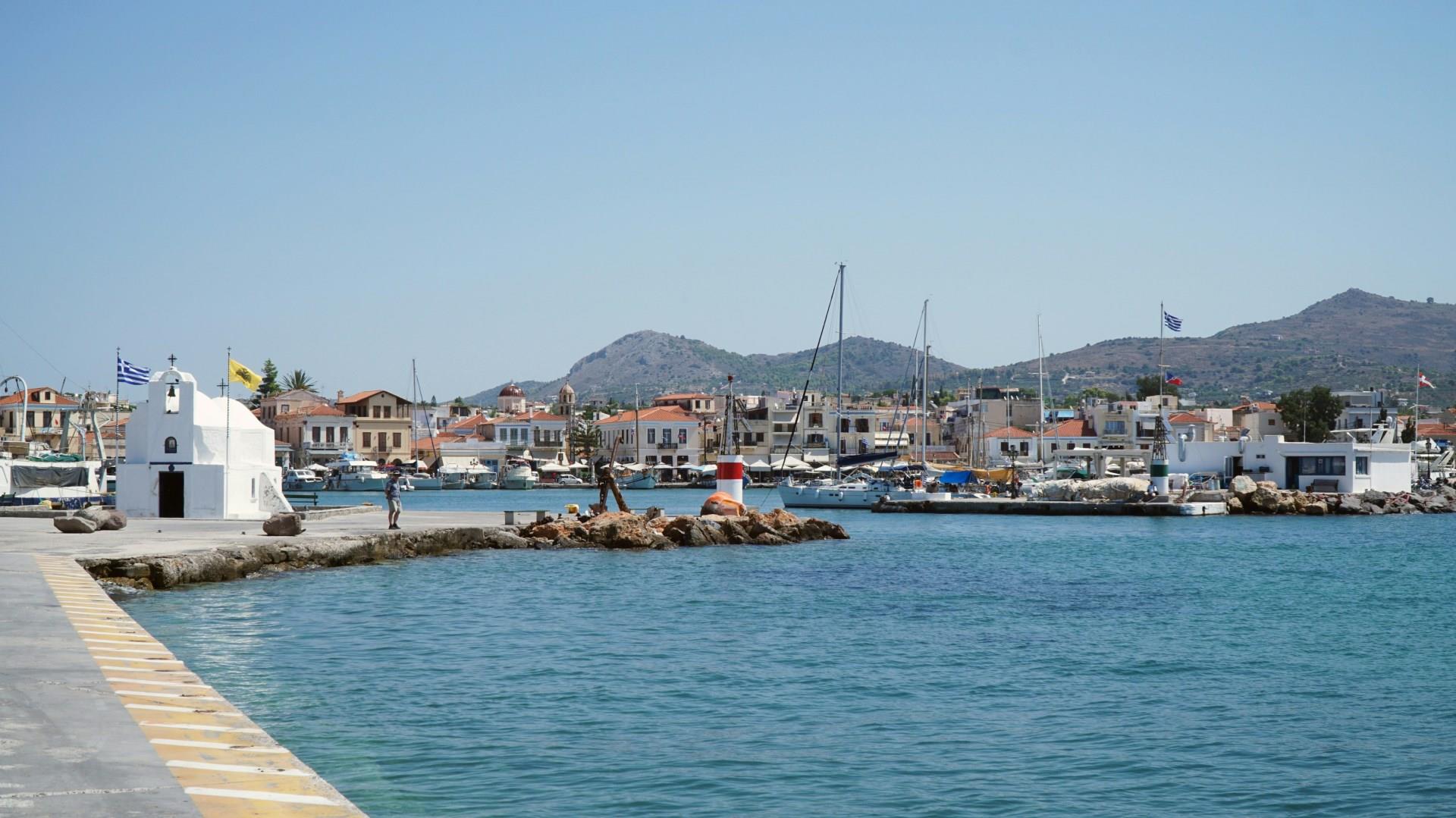
Aegina
Aegina, one of the Saronic Islands of Greece, is a short ferry ride from Athens yet feels far removed from the capital’s energy. Known since antiquity as a thriving maritime and cultural center, the island still preserves echoes of its past in archaeological sites and traditional villages.

Skopje
Skopje, the capital of North Macedonia, offers a fascinating blend of ancient history and modern transformation. A walk through the city reveals layers of Roman, Byzantine, and Ottoman influences, making it a treasure trove for history lovers. Begin your journey at the iconic Stone Bridge, a symbol of the city that dates back to the 15th century, linking the Ottoman Old Bazaar with Skopje’s modern city center.

Greenland
Greenland, the world’s largest island, offers travelers an experience that feels like stepping onto another planet. Vast ice sheets, towering glaciers, and deep fjords stretch across the horizon, creating a landscape that constantly shifts with the light. During summer, the Midnight Sun casts a golden glow well past midnight, while winter brings months of darkness lit by vibrant displays of the Northern Lights.

Sapporo
Sapporo, (säp-pô´rô), capital of Hokkaido prefecture, SW Hokkaido, Japan. One of Japan's most rapidly growing urban centers, Sapporo is famous for its annual snow festival. It was the site of the 1972 winter Olympics.
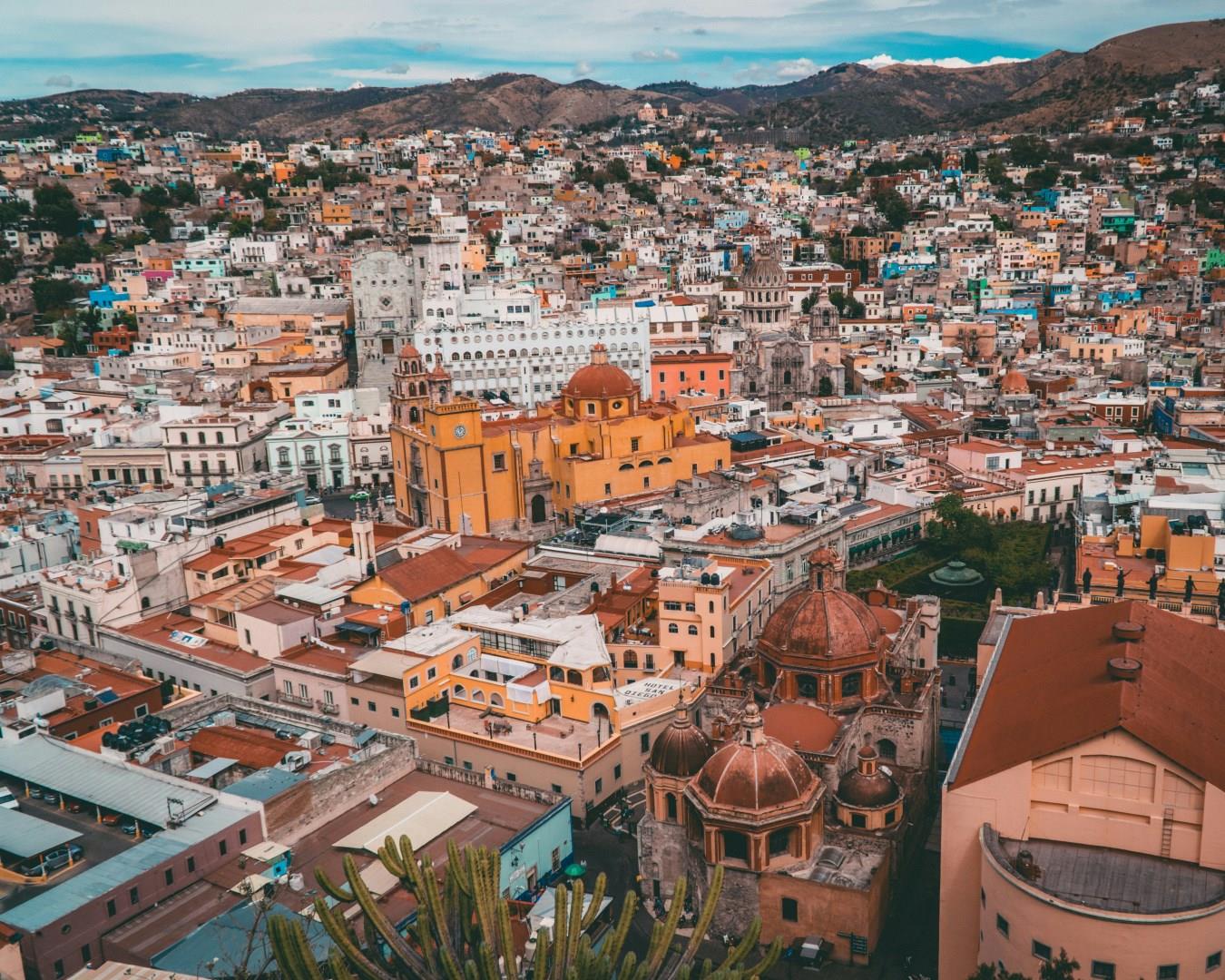
Guanajuato
Guanajuato, a UNESCO World Heritage City nestled in the mountains of central Mexico, is a place where history is built into every hillside alley and underground tunnel. Today, visitors can still tour La Valenciana Mine, where centuries-old tunnels and original mining equipment offer a glimpse into the city's wealth-driven past. The nearby Templo de San Cayetano, built by mine owners in the mid-1700s, is a stunning example of baroque design, lined with gilded altars and intricate woodwork.
