
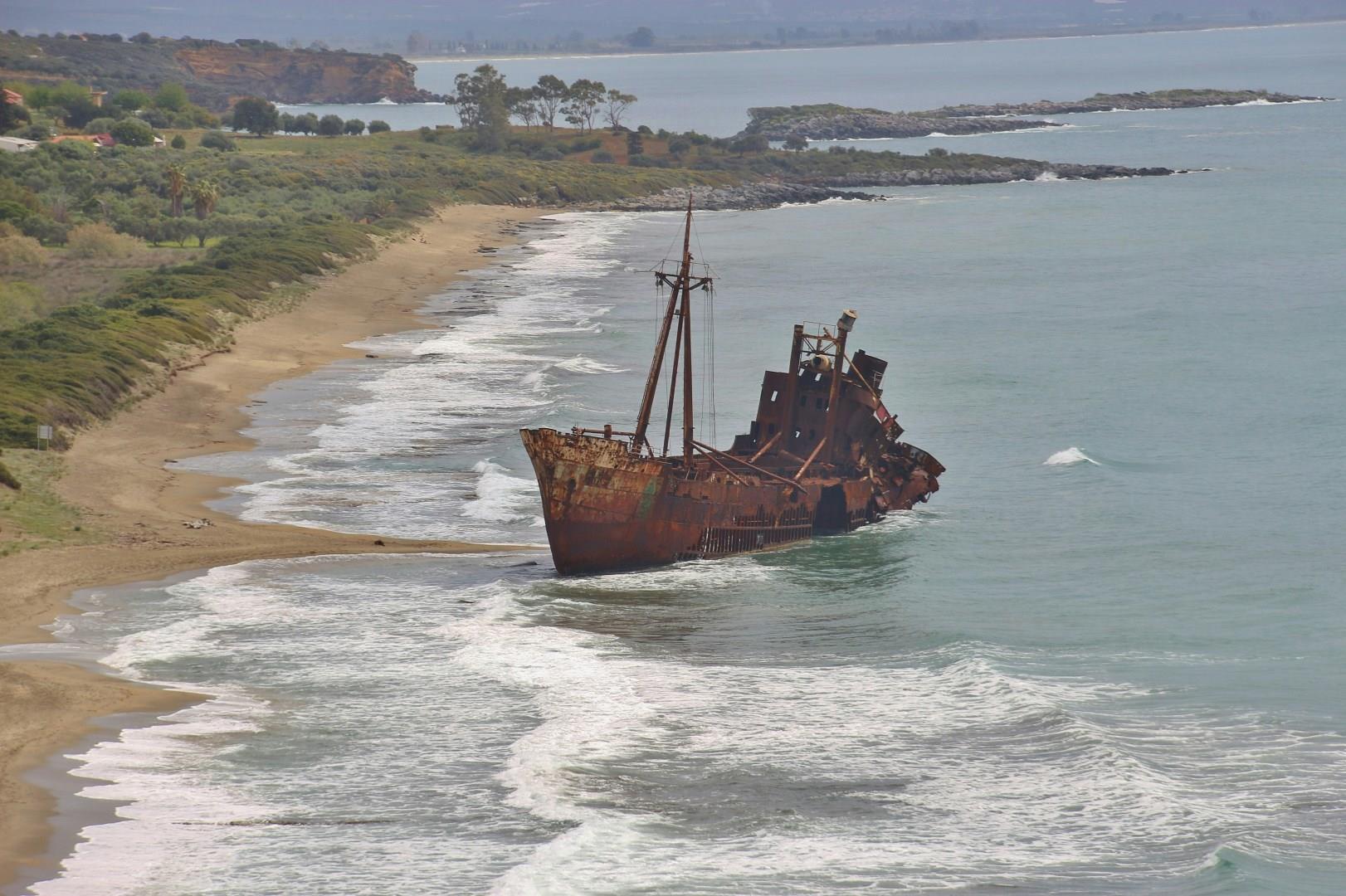
Gythion
Greece’s southern coastline is home to Gythion, a historic port town nestled in the Peloponnese region. Once the naval base of ancient Sparta, Gythion has played a key role in maritime history for centuries. Today, its harbor is lined with colorful neoclassical buildings and fishing boats, creating a picture of daily life that remains connected to its seafaring roots. Just offshore lies Cranae Island, linked to the mainland by a stone causeway.

Las Vegas
Las Vegas, Nevada, is an electrifying city where glitz and glamour meet entertainment and excitement. Known as "The Entertainment Capital of the World," Las Vegas offers an unparalleled array of attractions, from its iconic casinos and luxurious hotels to its world-class dining and live shows. The city's entertainment scene is second to none, featuring legendary headliners, cutting-edge performances, and an array of themed attractions.

Marco Island
Located off the southwestern coast of Florida, Marco Island is a popular resort destination known for its boat-lined marinas and beautiful beaches, including Residents' Beach and Tigertail Beach. A variety of outdoor activities are at your disposal here, including paddle boarding, water skiing, kayaking, hiking, and golfing.
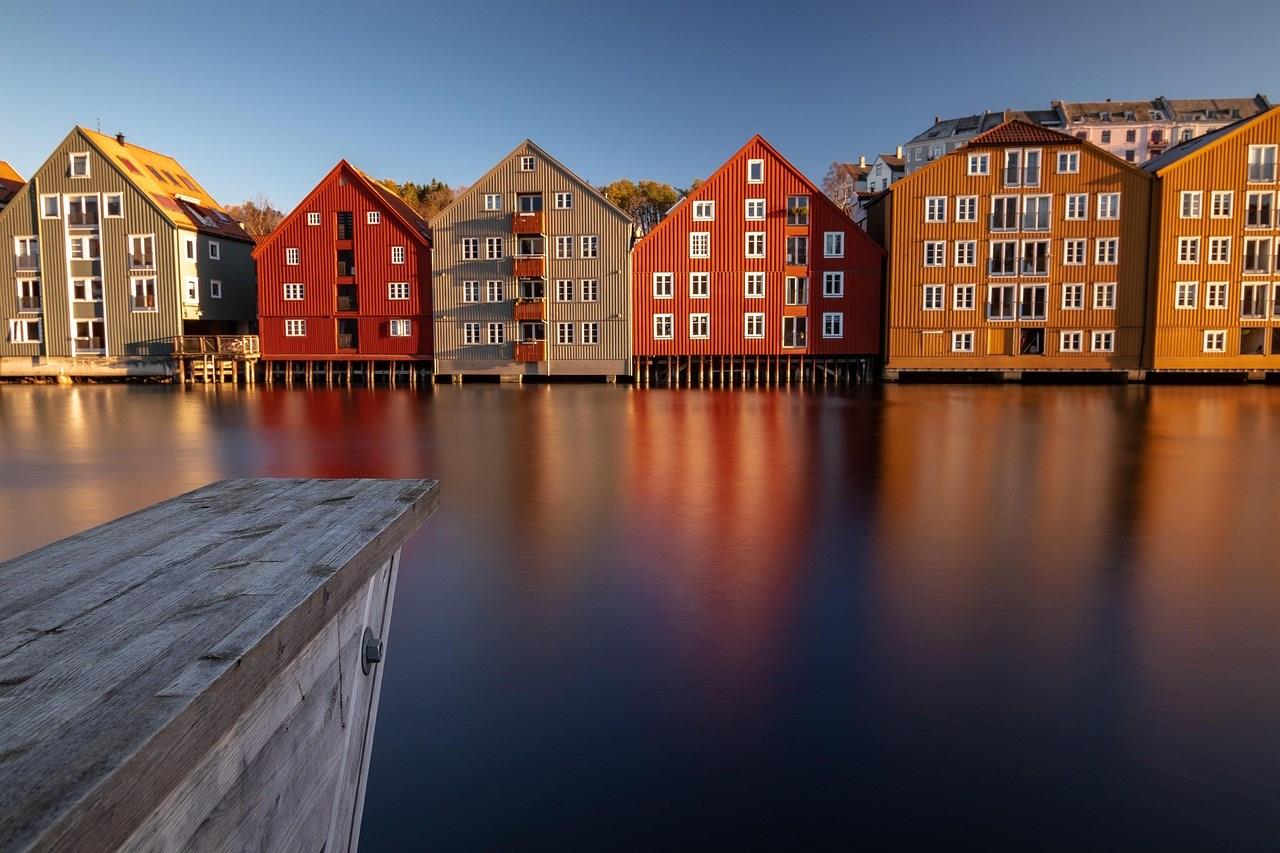
Sognefjord
Sognefjord stretches over 200 kilometers into Norway’s mountainous interior, making it the country’s longest and deepest fjord.

Merzouga
Merzouga, a small village located in southeastern Morocco, is the gateway to the stunning Erg Chebbi dunes, one of the most iconic desert landscapes in the world. These towering sand dunes, which can reach heights of up to 150 meters (492 feet), offer an unparalleled opportunity for adventure and exploration. The contrast between the golden sands and the clear blue sky creates a breathtaking panorama that is perfect for photography and desert excursions.
