
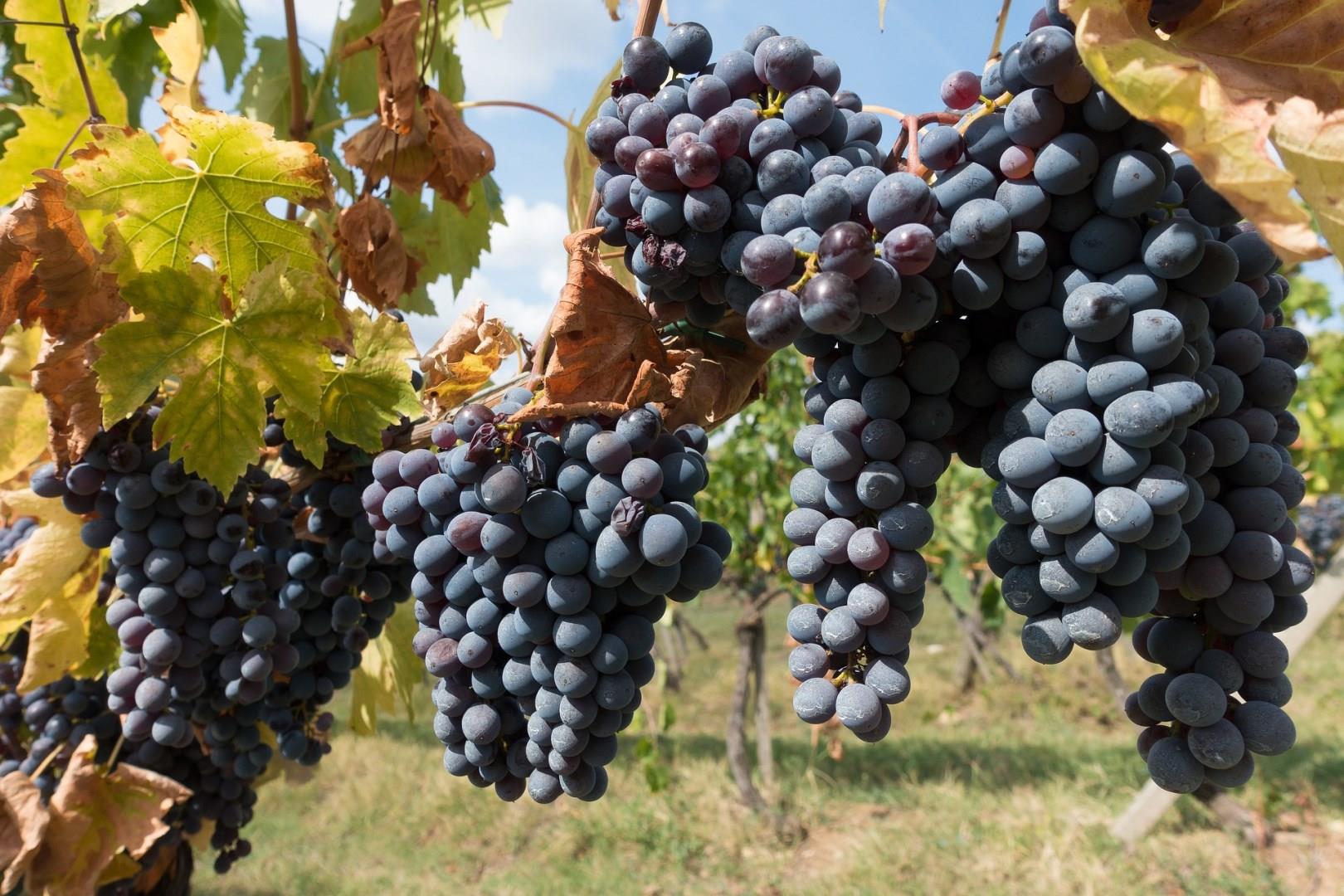
Chianti
Chianti, nestled in the heart of Tuscany between Florence and Siena, is a world-renowned wine region that exudes quintessential Italian charm. Famous for its rolling hills, cypress-lined roads, and sprawling vineyards, Chianti offers travelers an unforgettable experience of Italy’s rich viticulture and history. Visitors can explore charming medieval villages like Greve in Chianti and Castellina in Chianti, where cobbled streets, ancient stone buildings, and historic piazzas transport you back in

Manila
Philippines capital located in the South China Sea. Fort Santiago and Baroque church San Agustin are among the city's attractions.

Tuscany
Tuscany, Italy, is a region where the essence of Italy's beauty, history, and culture is captured in its rolling hills, timeless villages, and world-class art. Famous for its postcard-perfect landscapes, Tuscany is where cypress-lined roads lead to centuries-old hilltop towns like Montepulciano and Montalcino, which are steeped in history and offer some of Italy's finest wines, including the renowned Brunello di Montalcino. Tuscany is a treasure trove for lovers of art and architecture, boasting
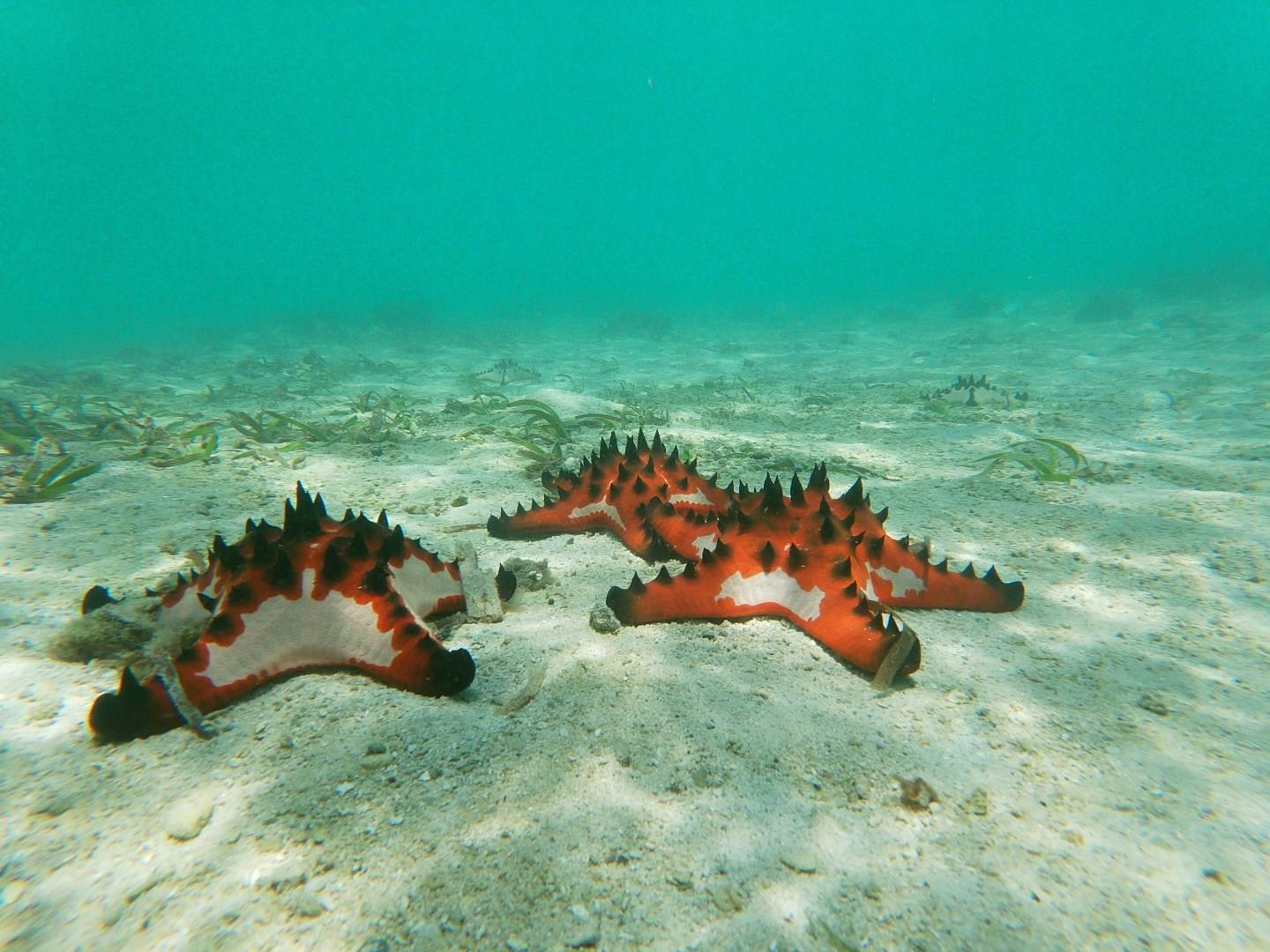
Port Vila
Port Vila, the vibrant capital of Vanuatu, offers a captivating blend of natural beauty, rich culture, and relaxed island charm. Nestled on the southern coast of Efate Island, Port Vila is renowned for its picturesque harbor, lush landscapes, and bustling market scene. Visitors can immerse themselves in the local culture at the Port Vila Market, where colorful stalls brim with fresh produce, handcrafted souvenirs, and traditional island fare.
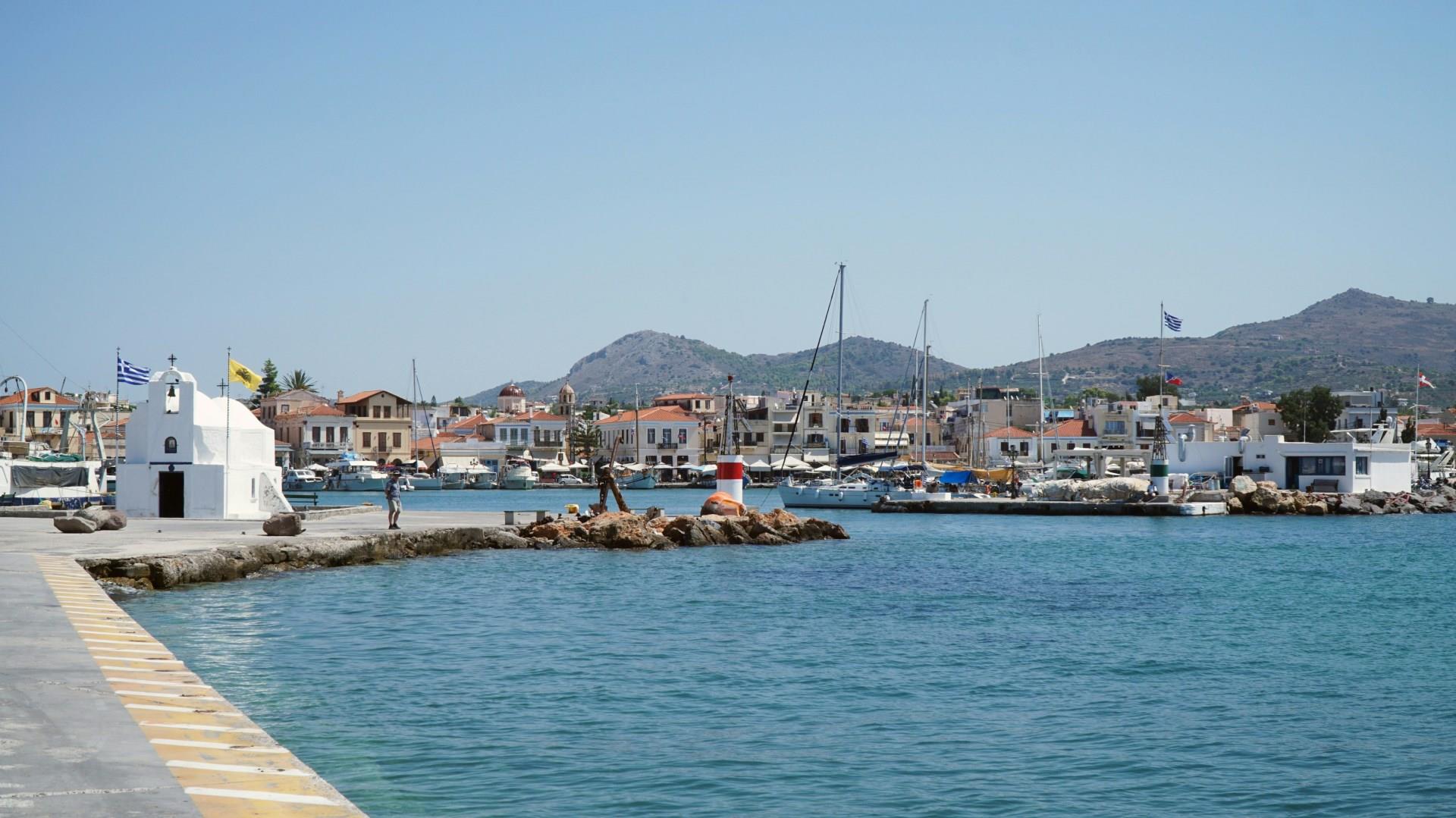
Aegina
Aegina, one of the Saronic Islands of Greece, is a short ferry ride from Athens yet feels far removed from the capital’s energy. Known since antiquity as a thriving maritime and cultural center, the island still preserves echoes of its past in archaeological sites and traditional villages.
