
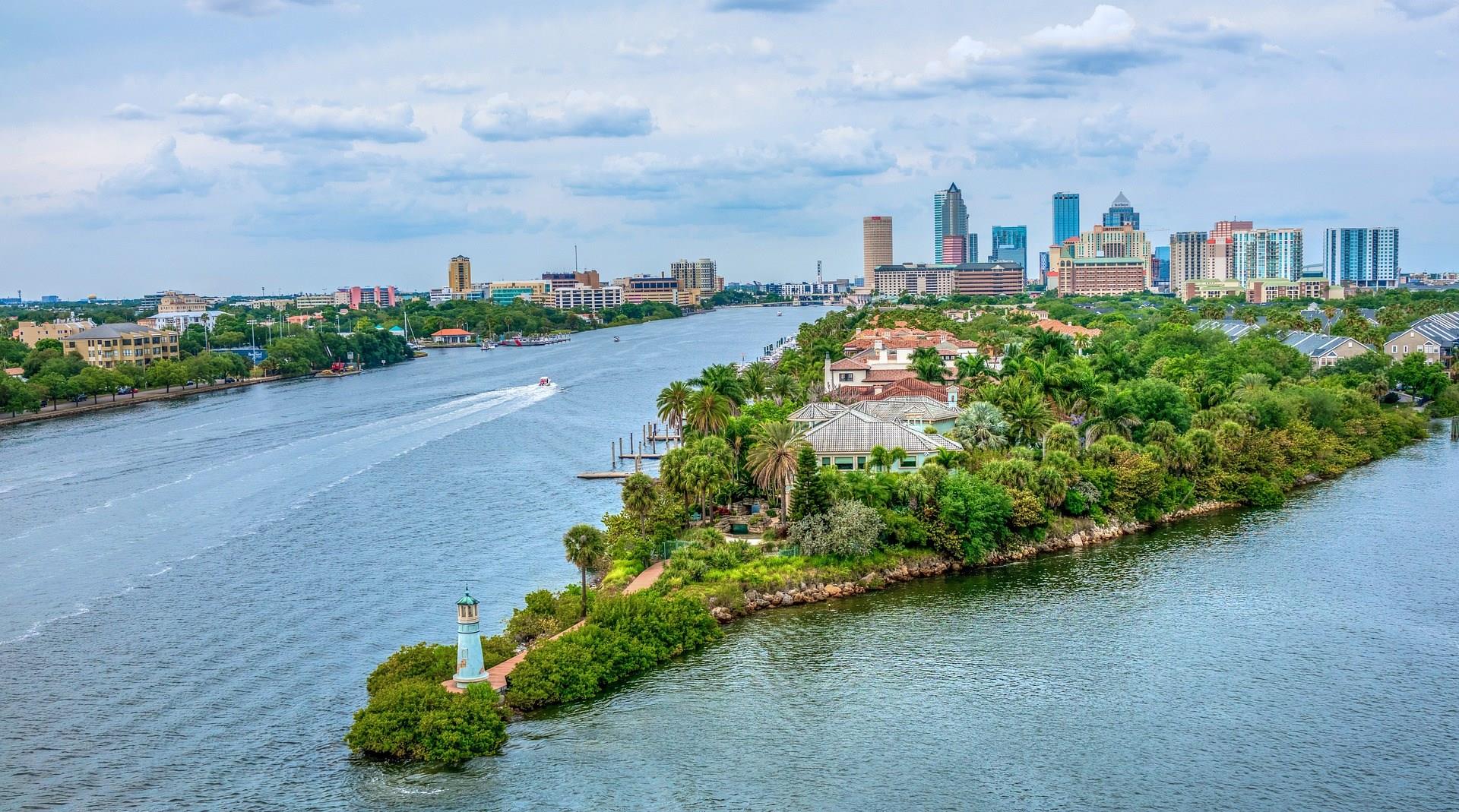
Tampa
Tampa, Florida, offers more than just sunshine and palm trees, it’s a city with character, history, and plenty of unexpected experiences. Founded as a military outpost in the 19th century, Tampa has grown into a vibrant waterfront city with strong Cuban, Spanish, and Italian influences. This cultural blend is especially noticeable in Ybor City, a historic district known for its red-brick buildings and deep cigar-making roots.
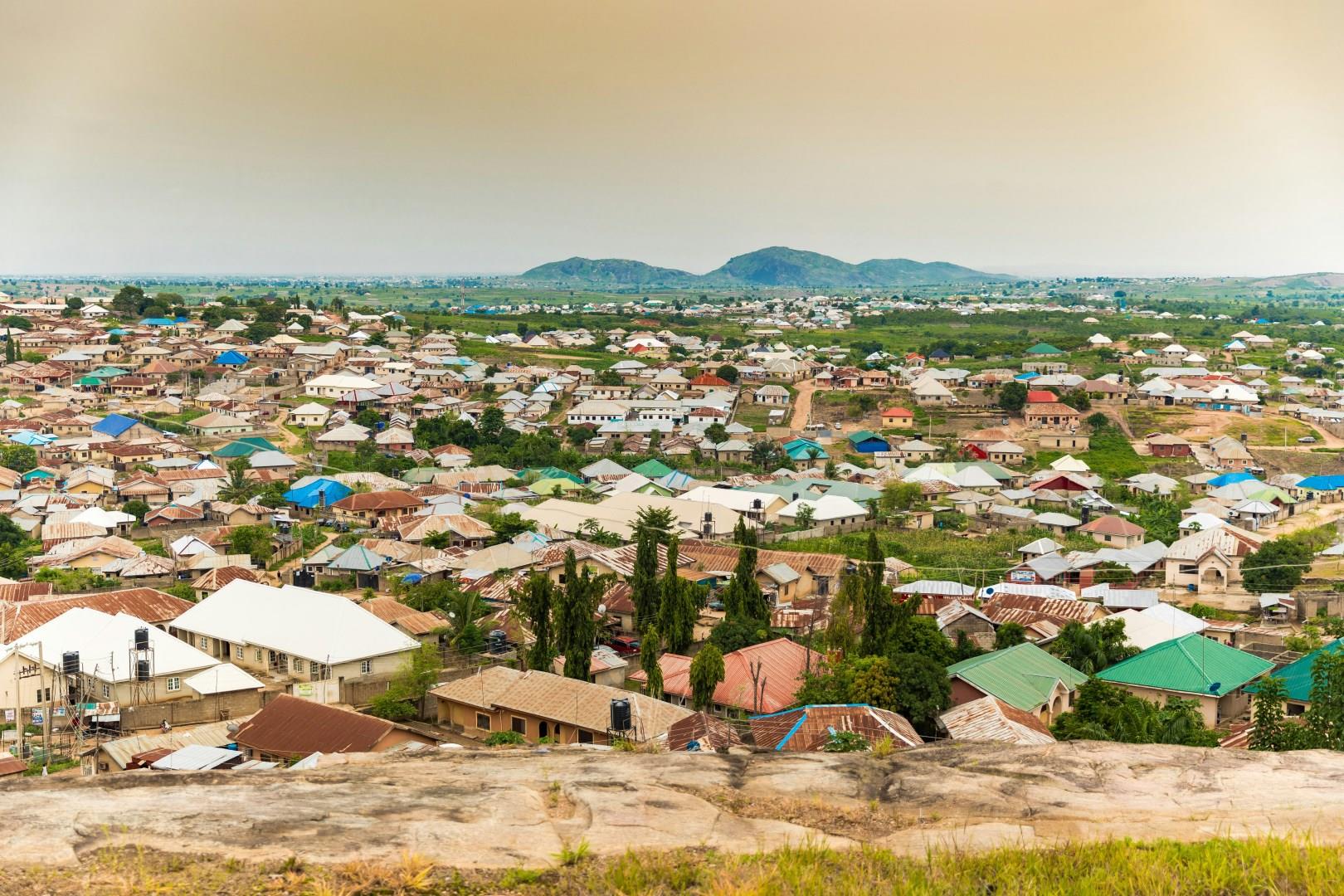
Nigeria
Nigeria, located in West Africa, is a country known for its diversity in culture, language, and landscapes. It is home to over 200 million people, making it the most populous country in Africa.

Como
A visit to Como is like looking through a manual on the history of architecture. Its ancient walls, the Duomo with its rich Gothic-Renaissance façade, the Broletto, the Castel Baradello, the Romanesque basilicas of Sant'Abbondio and S. Fedele, the myriad of monuments created by the Comacini Masters, and the modern architectural lines, all represent foundations of the urban and tourist fabric, interwoven with unforgettable splendor.

Milan
Milan, Italy’s fashion capital, offers an exquisite blend of historical grandeur and contemporary chic. As you wander through this vibrant city, you’re greeted by architectural masterpieces like the Milan Cathedral, a stunning example of Gothic design and the largest church in Italy. Its intricate façade and the panoramic views from the rooftop provide a breathtaking experience.

Costa Rica
Costa Rica is a country that has built its identity around both natural preservation and cultural vibrancy. Known for its stable democracy and emphasis on sustainability, it has become a global leader in eco-tourism.
