
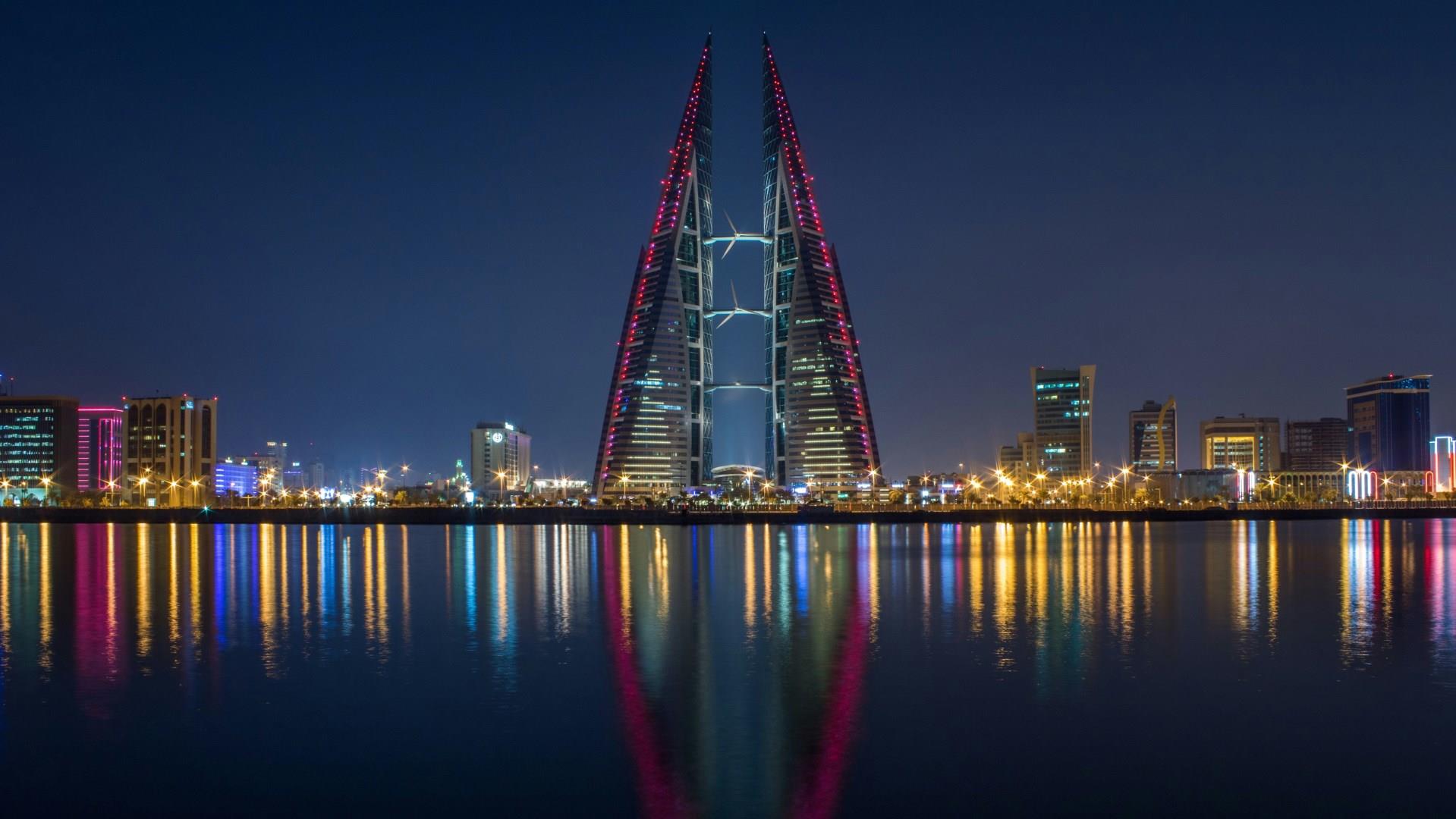
Manama
Manama pulses with stories from long ago and today. Just beyond the modern skyline lies Qal’at al‑Bahrain, a layered mound once the capital of Dilmun, used by societies from the Kassites to the Portuguese. Visitors can climb its crumbling stairways and imagine life across centuries there. Nearby, the Bahrain National Museum, opened in 1988 in a stately waterside building, displays archaeological finds from ancient Dilmun to modern-day artifacts and is one of the Gulf's first modern museums.

Le Havre
Le Havre is a captivating port city in Normandy, France where the English Channel meets the Seine River. Having evolved from a small fishing village into a bustling maritime hub, it is a blend of rich history, modern architecture, and stunning natural beauty. The city's historic roots are especially evident in landmarks such as the Graville Abbey, one of the oldest monuments in the area, and the impressive St. Joseph's Church, a modern architectural marvel designed by Auguste Perret.
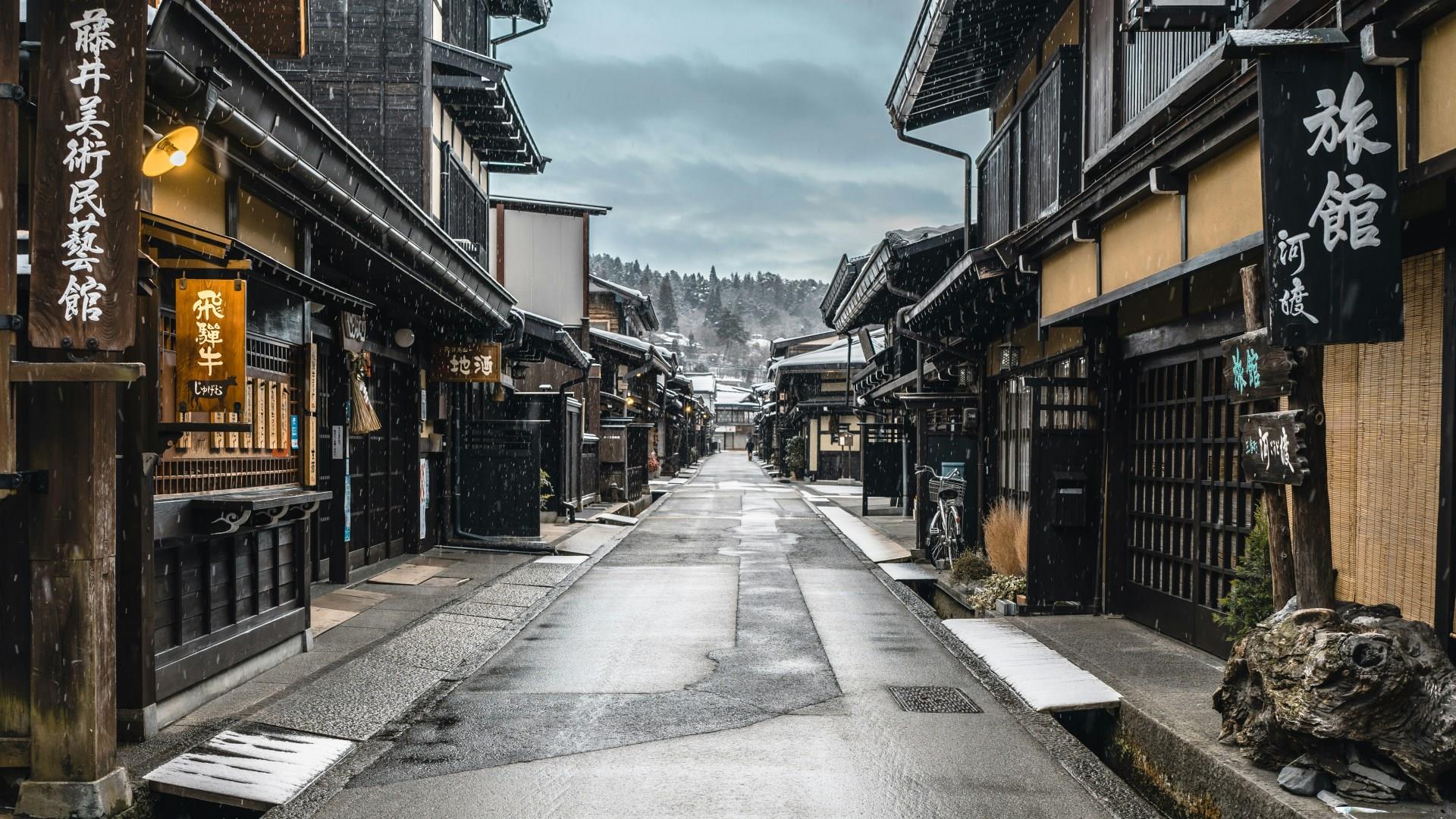
Takayama
Takayama, located in Japan’s mountainous Gifu Prefecture, is a city where traditional culture and natural beauty are remarkably well preserved.
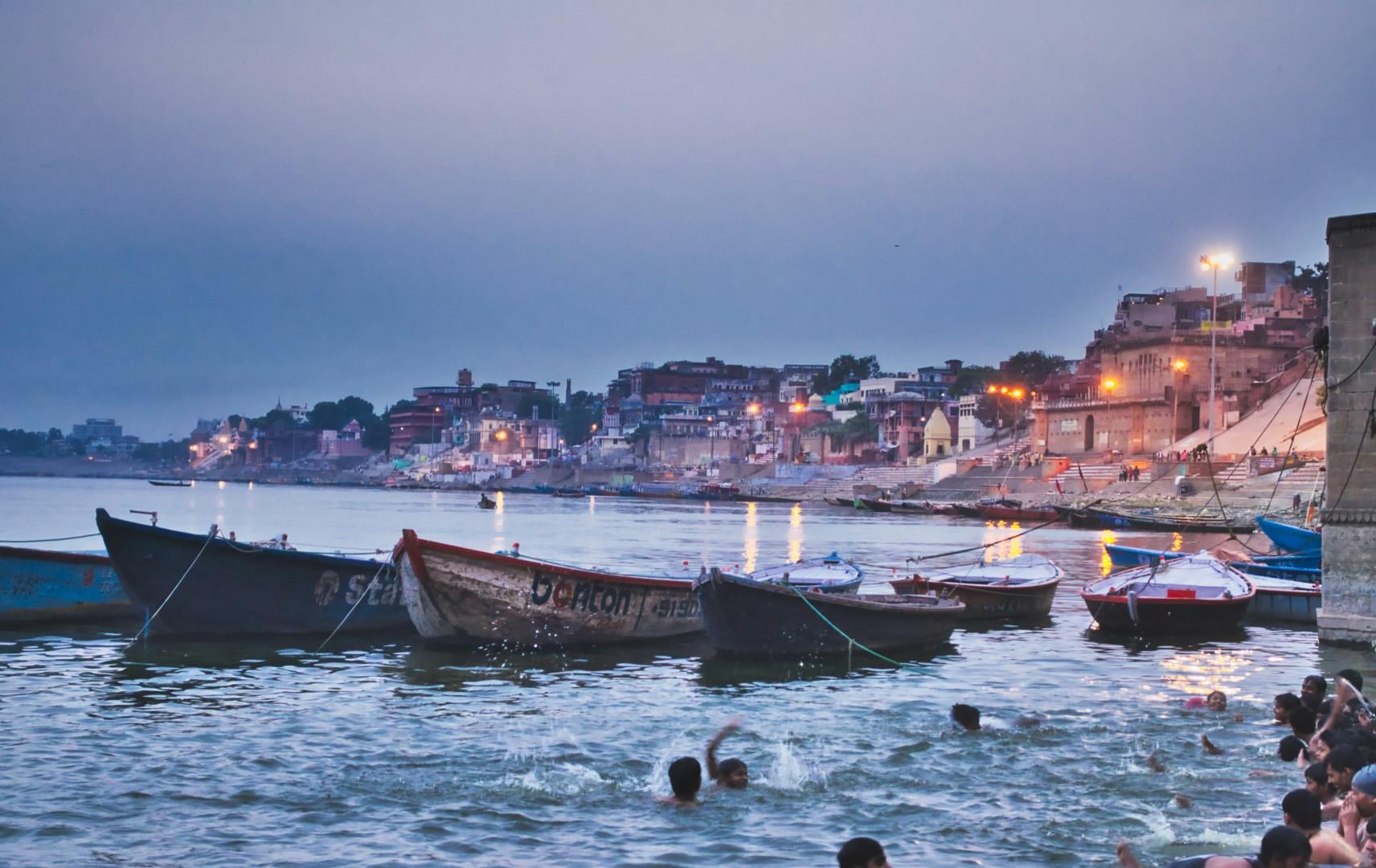
Varanasi
Varanasi sits along the sacred Ganges River in northern India as one of the oldest continuously inhabited cities in the world. It is a place where daily life and rituals flow together on the long stone steps called ghats that reach down to the water. Visitors often rise early for a sunrise boat ride, watching as light spreads across the river and pilgrims make gentle offerings to the water.

Golden Circle
The Golden Circle is Iceland’s premier tourist route, offering a breathtaking journey through some of the country’s most iconic natural wonders. The route typically starts in Reykjavik and circles through Þingvellir National Park, the Geysir geothermal area, and Gullfoss waterfall. At Þingvellir, visitors can stand where the North American and Eurasian tectonic plates meet and explore the site of the world’s oldest parliament, established in 930 AD.
