
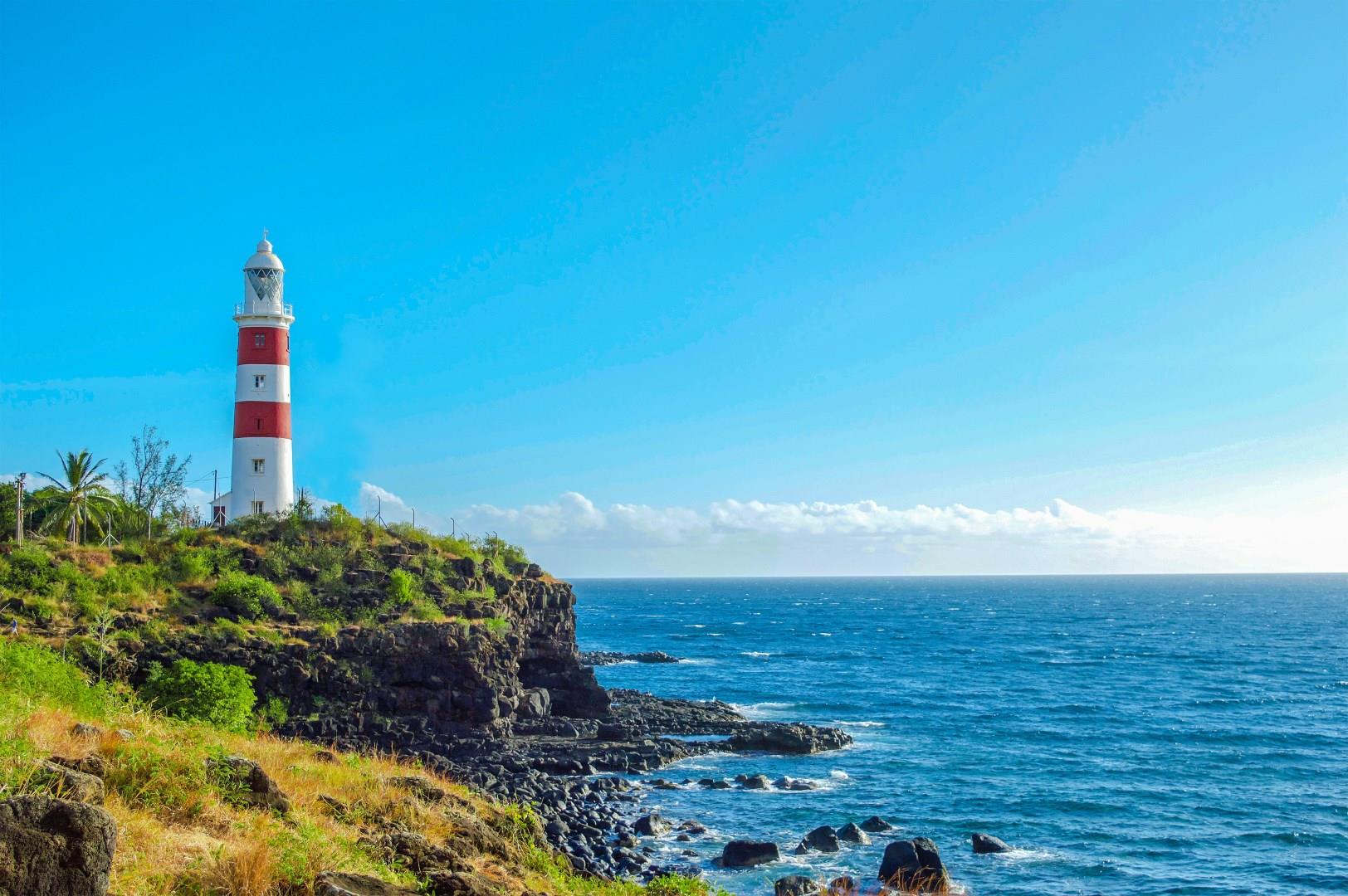
Albion
Albion, a small coastal town on the west coast of Mauritius, is known for its peaceful atmosphere and scenic setting by the Indian Ocean. Unlike some of the island’s more crowded resort areas, Albion offers a quieter escape while still showcasing the natural beauty that makes Mauritius a favorite destination.

Copan
Copán, Honduras, is a hidden gem in Central America that beckons travelers with its extraordinary blend of ancient history, lush landscapes, and vibrant local culture. Known as the "Athens of the Maya," Copán is home to one of the most significant and well-preserved archaeological sites of the Mayan civilization, a UNESCO World Heritage Site.

Gjógv
Nestled in the stunning landscape of Eysturoy in the Faroe Islands, Gjógv is a picturesque village that feels like a scene straight out of a fairy tale. Known for its dramatic cliffs and tranquil surroundings, Gjógv is named after the natural gorge that cuts into its coastline. The gorge, stretching 200 meters inland, serves as a natural harbor and has long been a lifeline for the village's fishing industry.

Paros
Whether you’re drawn to its beaches, rich history, or welcoming atmosphere, Paros has something for everyone. It’s a destination where you can unwind under the Mediterranean sun, explore traditions, and savor the flavors of Greece.
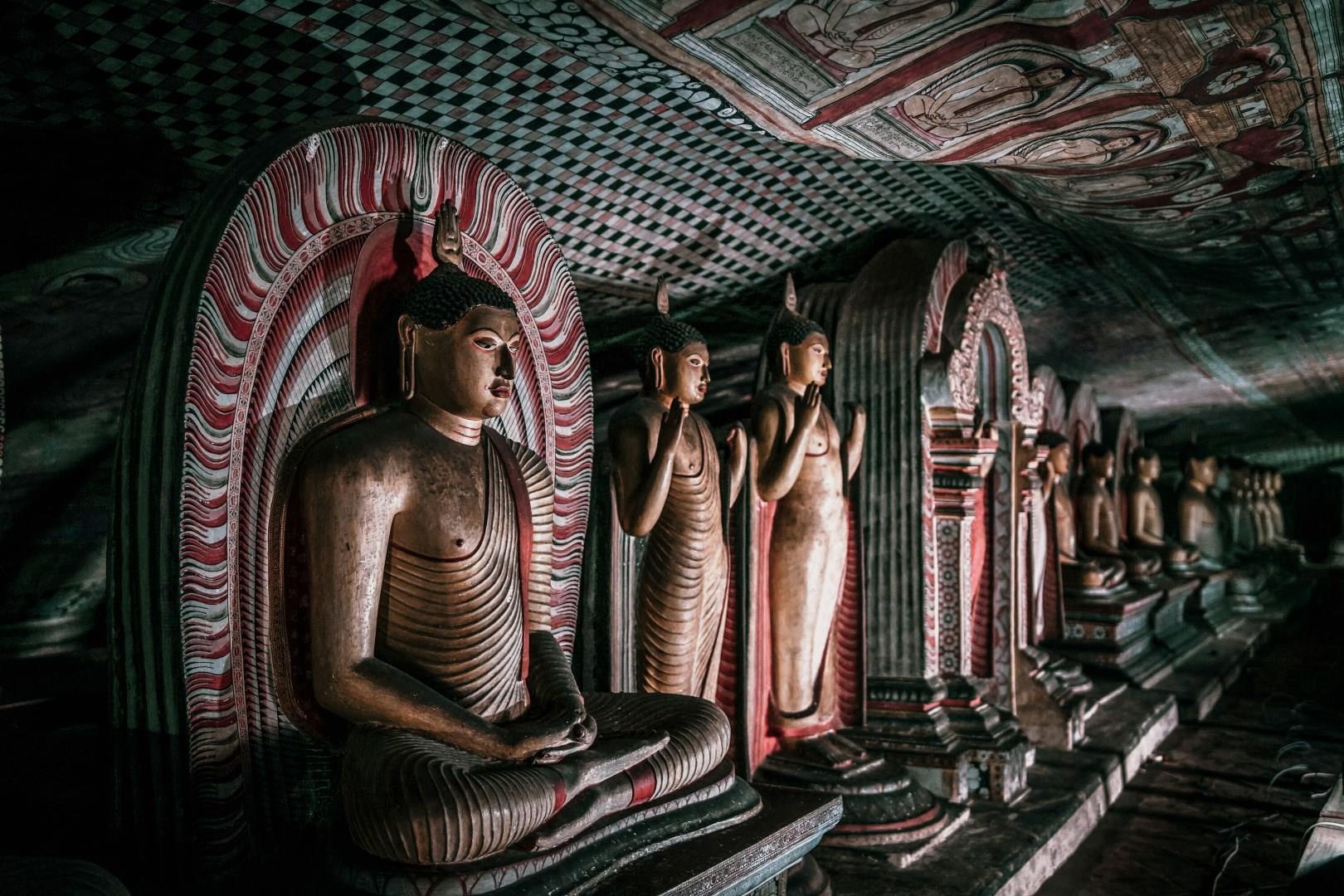
Dambulla
Dambulla, situated in the Central Province of Sri Lanka, is best known for its rock temple complex that has been in use for over two thousand years. The Dambulla Cave Temple, also called the Golden Temple of Dambulla, is made up of five caves carved into a granite outcrop, filled with over 150 Buddha statues and intricate wall paintings. These caves were first used by King Valagamba in the 1st century BCE as a refuge during exile, and later transformed into a sacred site.
