

Svalbard
This mountainous archipelago offers magnificent views of stark white glaciers and snowfields, which cover a vast stretch of the region. Arctic flora and fauna fascinate; catch a glimpse of polar bears, reindeer, arctic foxes, and walruses amongst the mossy tundra and icy coasts. In the summer, visitors will witness the rare splendor of Svalbard’s midnight sun.

Lake Titicaca
Lake Titicaca, perched at over 3,800 meters above sea level, is the highest navigable lake in the world and a place where ancient stories still echo across the water. Shared by Bolivia and Peru, this lake has long been considered sacred by the Andean peoples. According to Inca legend, it was from Titicaca’s deep blue waters that the first humans were created. Today, the lake remains a center of cultural tradition, spiritual significance, and daily life for many who live along its shores.
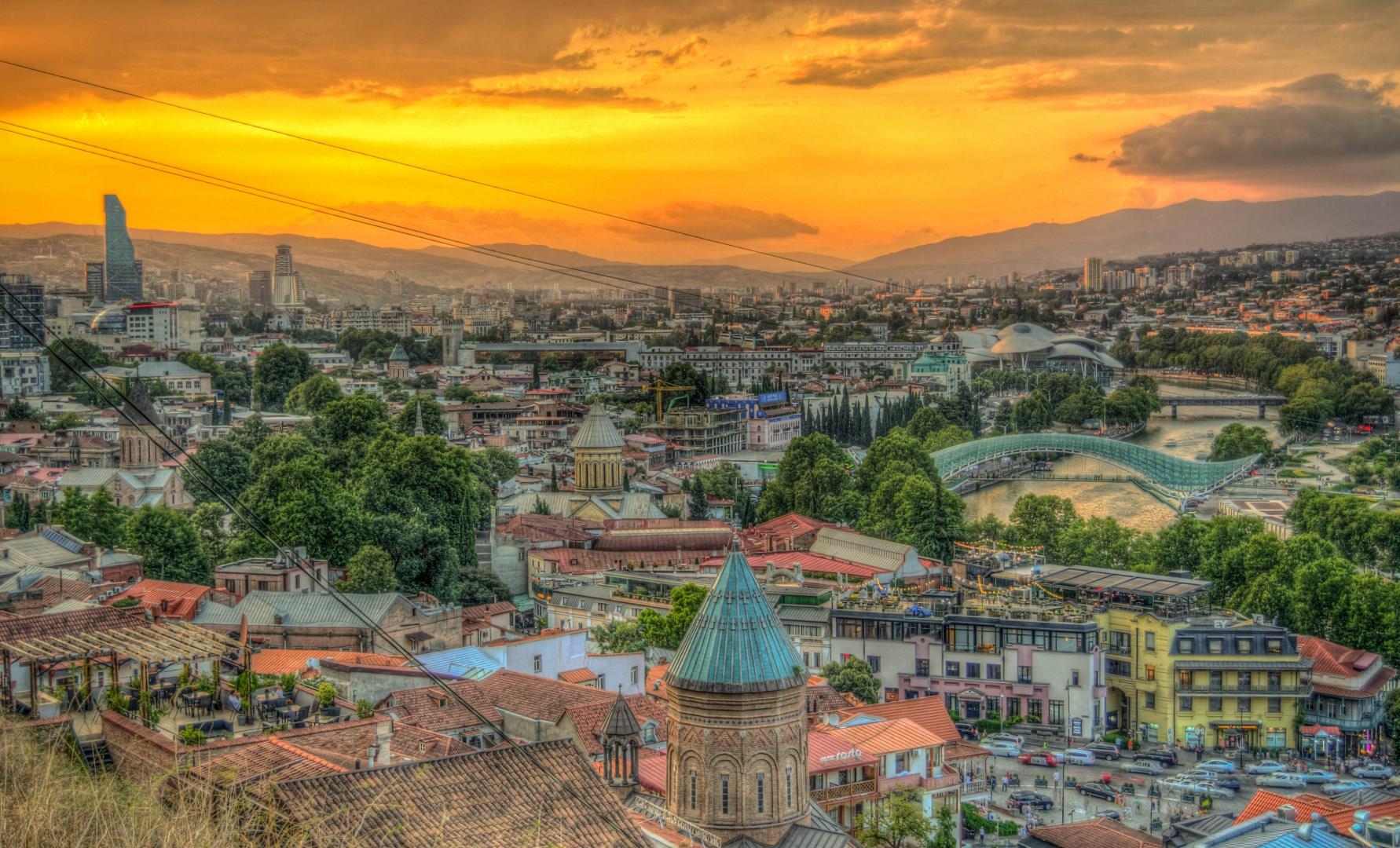
Tbilisi
Tbilisi, the capital of Georgia, is a city where tradition and modern life blend seamlessly. Set along the banks of the Kura River and surrounded by hills, its layout reflects centuries of change and cultural exchange. The Old Town, with its cobbled lanes and wooden balconies, is a living museum of architecture, showcasing influences from Persian, Ottoman, and Russian eras. Above it all, the Narikala Fortress stands watch, offering sweeping views of the city below.
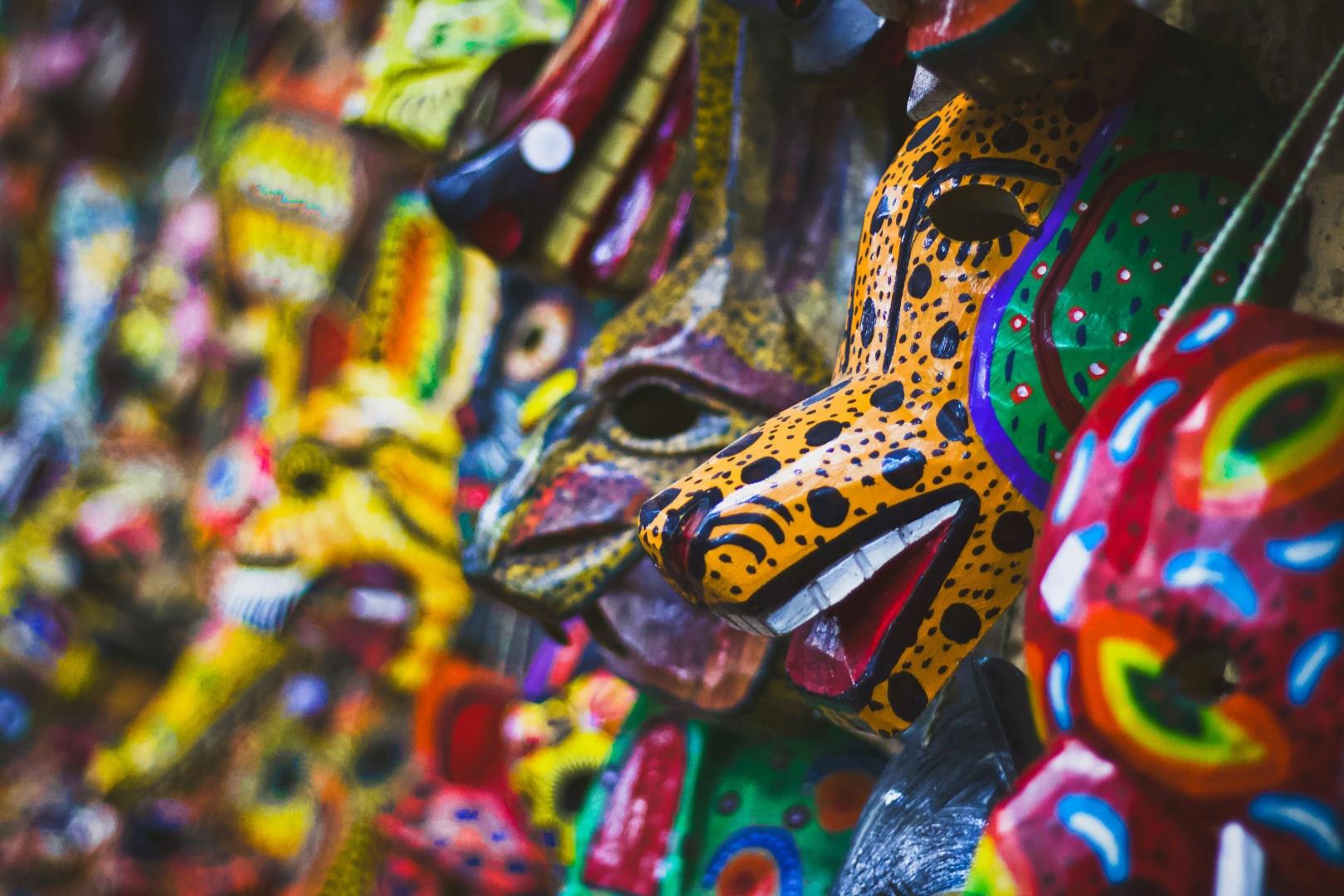
Antigua
Antigua is a city shaped by centuries of artistry, tradition, and natural forces. Set in a highland valley and surrounded by volcanoes, its streets are lined with colorful buildings, hidden courtyards, and open-air plazas. The Santa Catalina Arch is one of Antigua’s most recognizable features, originally built as a passage between two sections of a convent. Today, it frames a dramatic view of Volcán de Agua and is a popular gathering spot for both locals and visitors.

Regensburg
Regensburg, Germany’s medieval gem, will transport you to a bygone era. The site of both Celtic and Roman settlements, Regensburg flourished in the Middle Ages.
