
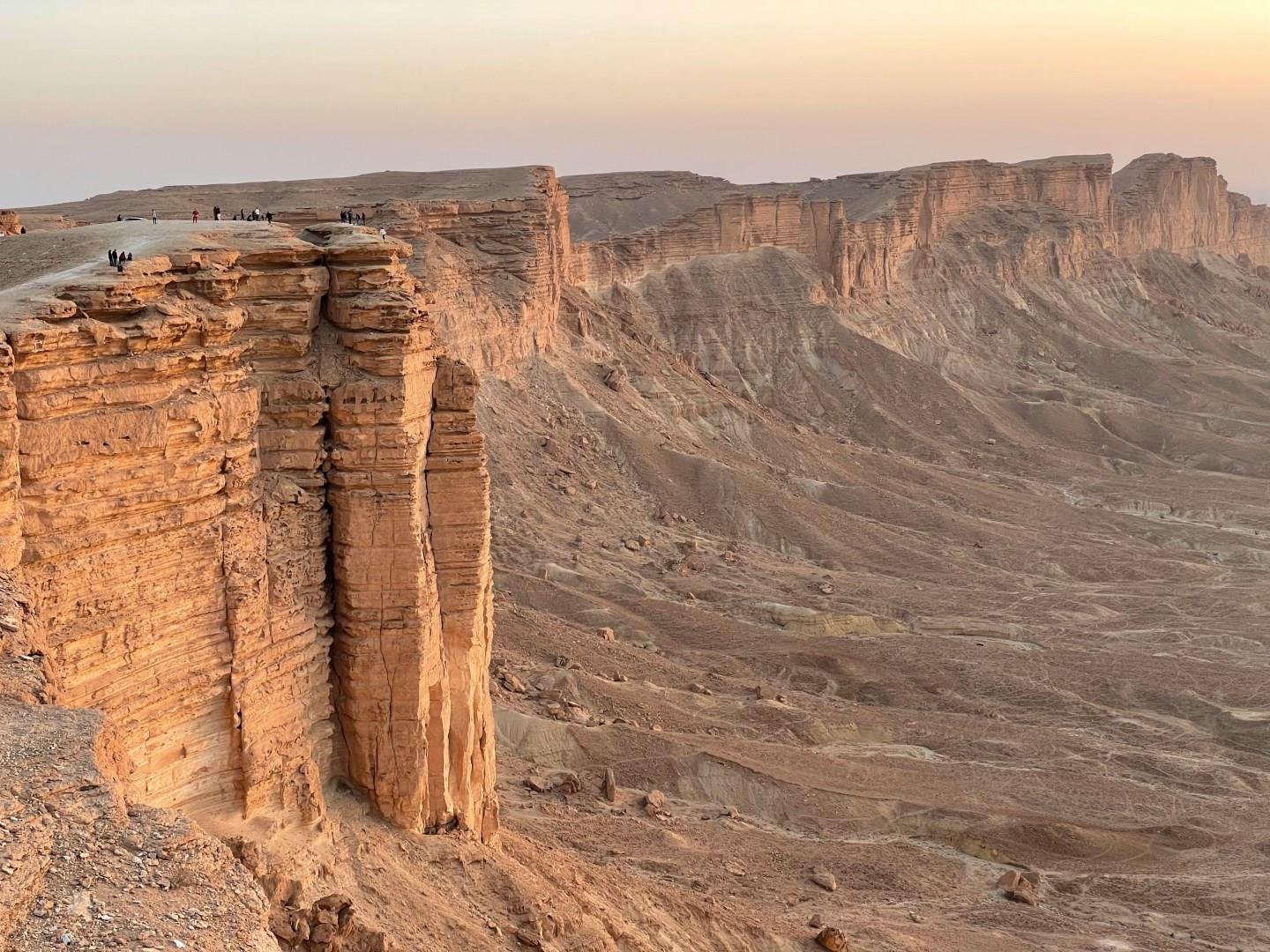
Riyadh
Riyadh blends stories from centuries with modern splendor. At its core stands Al Masmak Fortress, built of clay and mud-brick in the 19th century. It was the site that set the stage for the unification of Saudi Arabia. Today, it’s a museum that preserves weapons, historical displays, and accounts of that pivotal moment. Adjacent to the fortress, the Souq Al-Zal offers spices, traditional jewelry, and handmade crafts, connecting visitors to the city’s past through its alleyways.
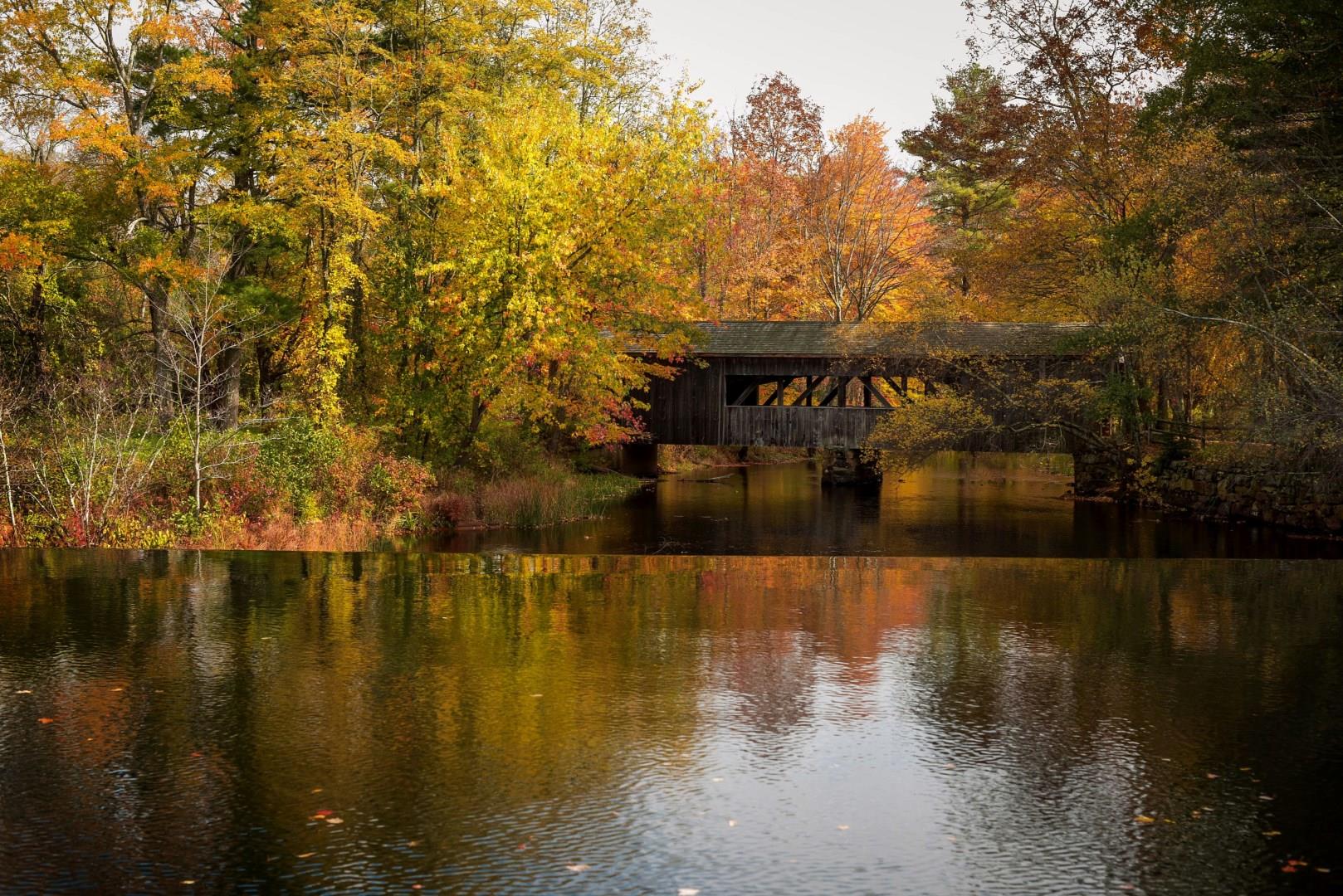
Sturbridge
Nestled in the scenic heart of central Massachusetts, Sturbridge is a charming town that offers a delightful blend of historical intrigue and natural beauty. One of the town’s prime attractions is the Old Sturbridge Village, a living history museum that brings the early 19th century to life. The village is renowned for its extensive collection of artifacts and its engaging, hands-on exhibits that provide a fascinating look at life in the early 1800s.

Papua New Guinea
Papua New Guinea is a land of surprises, where misty highlands give way to tropical coasts and vibrant festivals stir every sense. In the Highlands, the air carries the echoes of ceremonial drums and elaborate sing‑sings like the famed Goroka Show, where over 100 tribes gather in September to perform dances adorned with feathered headdresses, body paint, and the haunting clay masks of the Asaro Mudmen.

Doha
Doha presents a journey where heritage and modern design intersect gracefully. The Museum of Islamic Art, designed by I. M. Pei, rises from the Corniche and houses ceramics, textiles, manuscripts, and metalwork spanning fourteen centuries. Nearby, the National Museum of Qatar, shaped like a desert rose, narrates the country's story through immersive exhibits and architecture by Jean Nouvel. These institutions offer perspectives on both art and national identity.

Netherlands Antilles
The former Netherlands Antilles was a group of Caribbean islands once unified under Dutch administration, dissolved as a political entity in 2010.
