

Xi'an
Xi’an, located in central China’s Shaanxi Province, served as the starting point of the ancient Silk Road and was the capital of 13 imperial dynasties. Its long history is most famously represented by the Terracotta Army, an underground army of life-sized warriors discovered in 1974. Each figure has distinct facial features, hairstyles, and armor, designed to protect Emperor Qin Shi Huang in the afterlife.

Russia
Russia attracts thousands of tourists each year who have a taste for cathedrals and monasteries, fine art, theater, museums, and the Russian culture in general.

Czech Republic
The Czech Republic is a country where centuries-old castles, storybook towns, and deeply rooted traditions coexist with vibrant art scenes and local beer halls. Prague draws the most attention, with its Gothic towers, Baroque churches, and the world’s oldest working astronomical clock, still ticking in the Old Town Square.
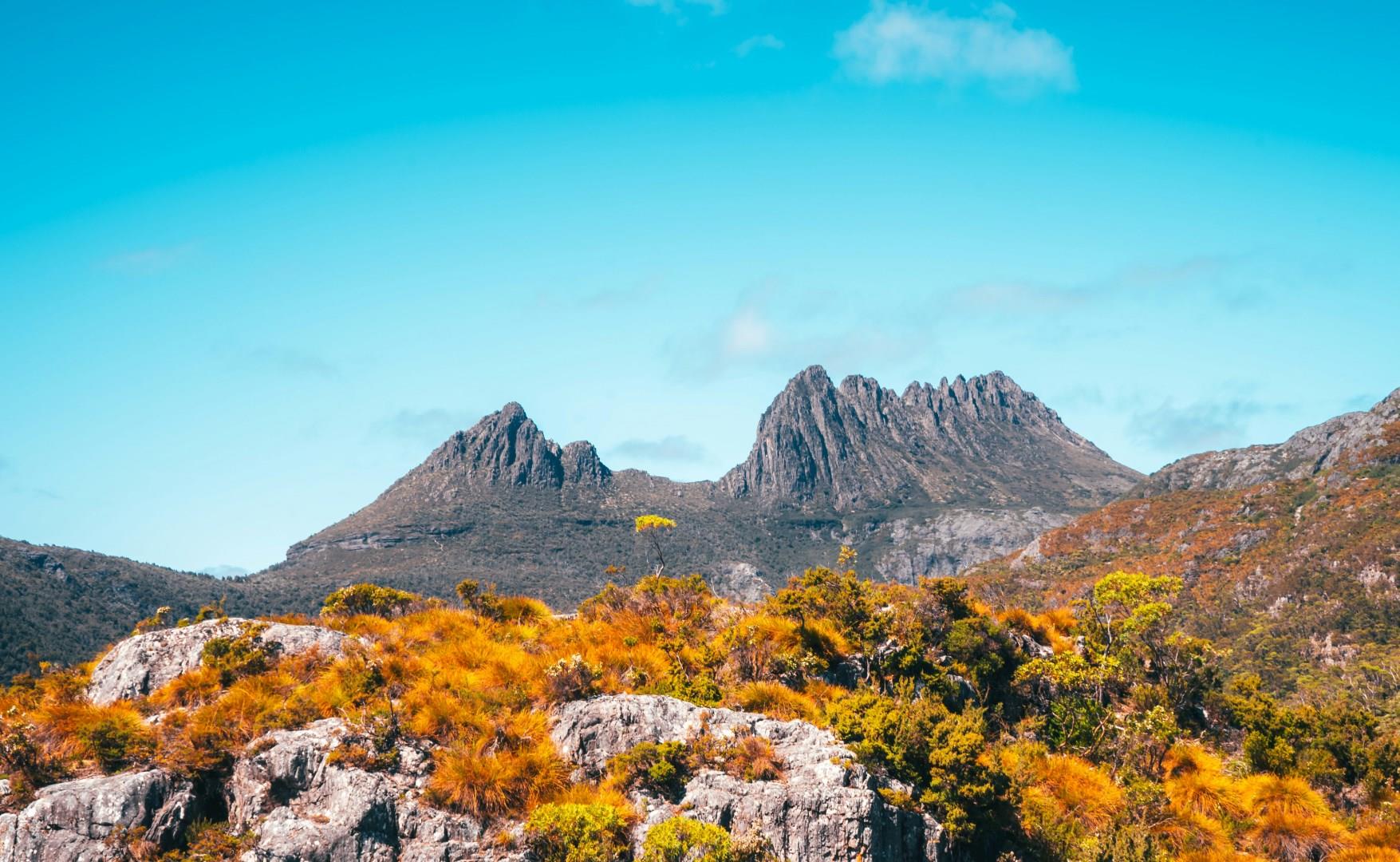
Cradle Mountain Tasmania
Cradle Mountain, located within the Tasmanian Wilderness World Heritage Area, is one of Australia's most distinctive landscapes. Towering over Dove Lake, the craggy peak rises to 1,545 meters and is often dusted with snow, even in spring. The mountain and surrounding area are part of Cradle Mountain–Lake St Clair National Park, which was established in 1922 and has since become a cornerstone of Tasmania’s protected wildlands.
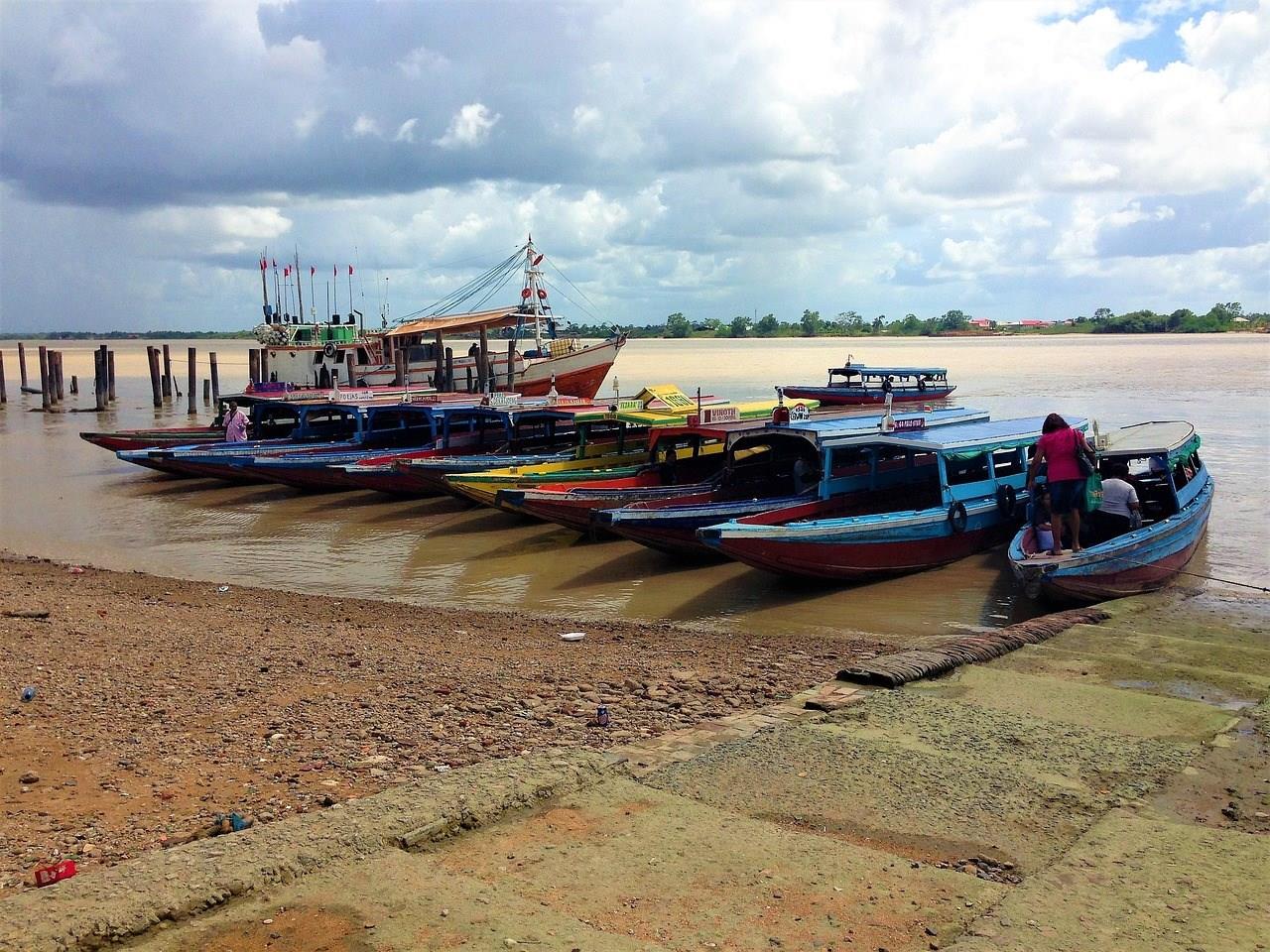
Paramaribo
Paramaribo, Suriname’s capital, unfolds like a living storybook along the Suriname River, where wooden structures from the 17th and 18th centuries still stand today. This historic heart reveals a rare fusion of Dutch design and local craftsmanship. Visitors can stroll the Waterkant, a riverside avenue, and take in landmarks such as Fort Zeelandia, the neoclassical Reformed Church, and the lofty wooden Cathedral of St. Peter and Paul.
