

Nuremberg
Nuremberg is Bavaria’s second-largest city and for centuries was the undeclared capital of the Holy Roman Empire. There is plenty to do and see, starting with picturesque charm of the Old Town, situated at the foot of the Kaiserburg.
Foz do Iguaçu
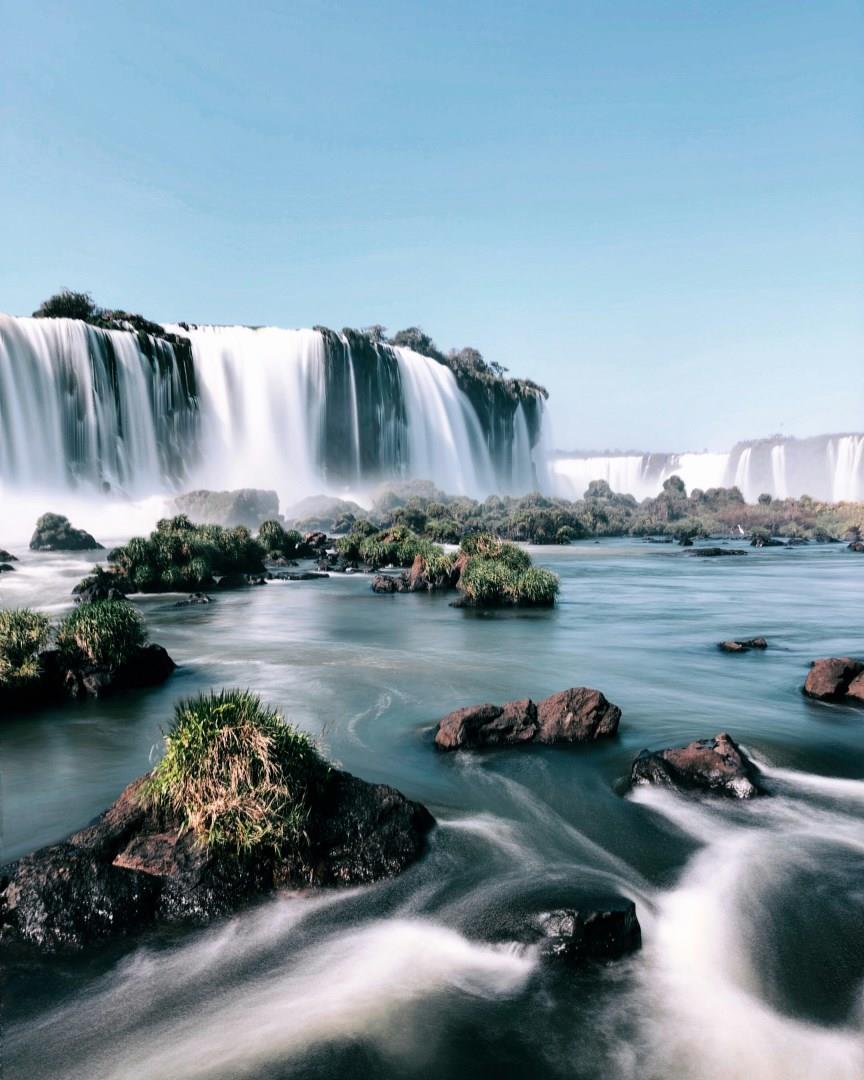
Set at the meeting point of Brazil and Argentina, Foz do Iguaçu is defined by the sheer scale of the Iguaçu Falls. Nearly 275 individual waterfalls stretch across close to three kilometers, sending mist into the air and sound echoing through the surrounding forest. Visitors follow raised walkways that bring them face to face with this moving wall of water, culminating at the dramatic Devil’s Throat, a deep, curved drop where the river seems to vanish into the earth.
Sighisoara
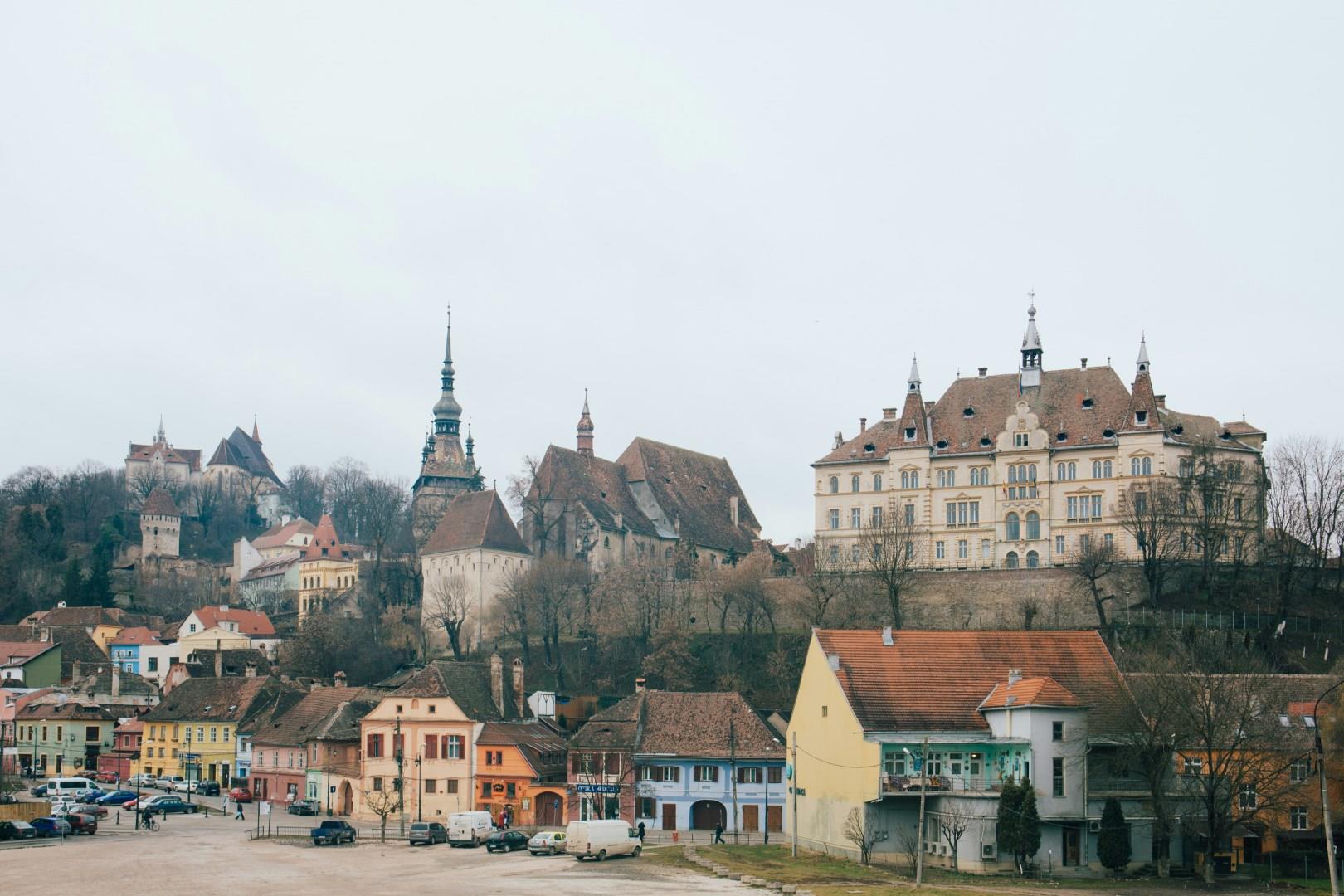
Sighisoara rises above the Târnava Mare River as one of the few medieval citadels in Europe that is still lived in and admired today. Its historic center has been on the UNESCO World Heritage List since 1999, recognized for its long history as a fortified Saxon settlement and its role in trade and defense on the edges of central Europe. Wander through cobbled alleys framed by pastel-colored houses, and the layers of time feel close at hand, from the city walls and guild towers to busy cafés.
Nevis
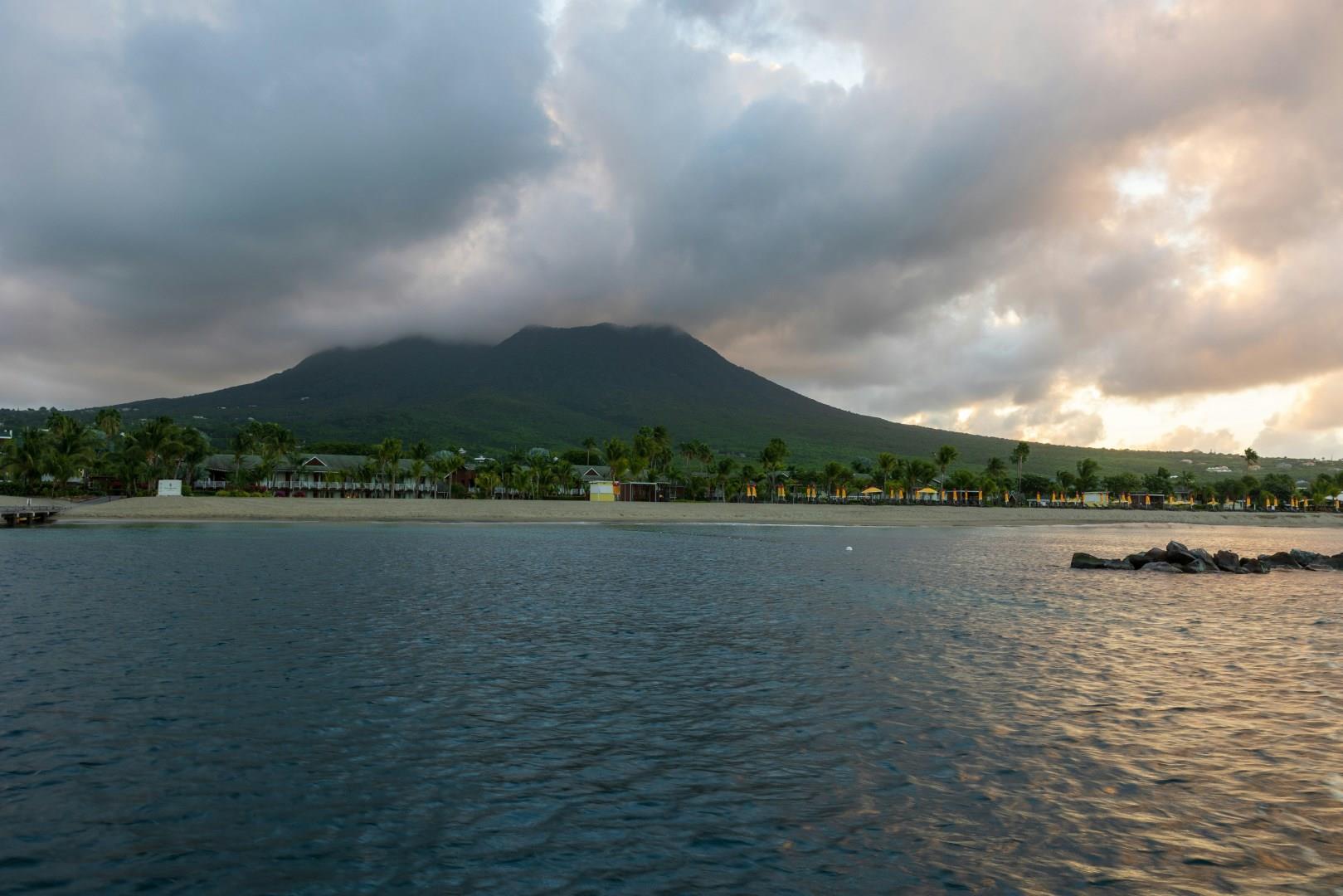
Nevis, the smaller of the two islands in the Federation of St. Kitts and Nevis, is often described as the more tranquil and unspoiled counterpart to its sister island. Dominated by the graceful silhouette of Nevis Peak, a dormant volcano rising to 985 meters, the island is ringed by golden beaches and lush hillsides.
Dodoma
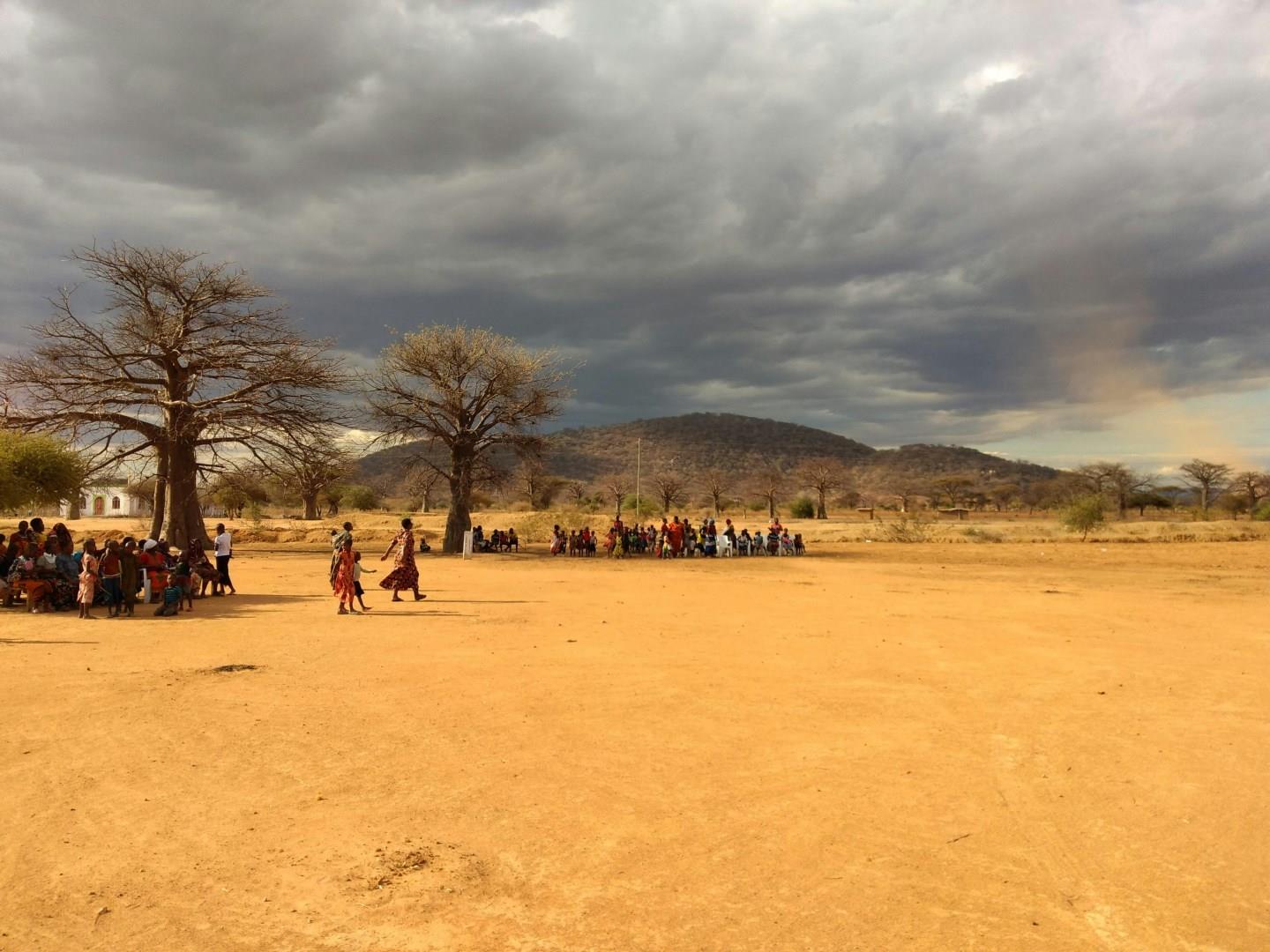
Dodoma, the capital of Tanzania, is a city that sits in the heart of the country, surrounded by rolling hills and semi-arid plains.
