

South Dakota
South Dakota, known for its striking contrasts, from sacred Indigenous landmarks to dramatic prairie landscapes, offers travelers a rare chance to experience stories etched in both stone and living tradition. Mount Rushmore may be the most photographed site, but just 17 miles away, the Crazy Horse Memorial tells a deeper story. In the west, the Black Hills are full of geological surprises and sacred sites. Custer State Park offers scenic drives where herds of bison often stop traffic.

Speyer
Speyer, located in the Rhineland-Palatinate region of Germany, is a city rich in history and culture. One of its most notable landmarks is the Speyer Cathedral, a UNESCO World Heritage Site and one of the largest Romanesque churches in the world.
Kennebunkport
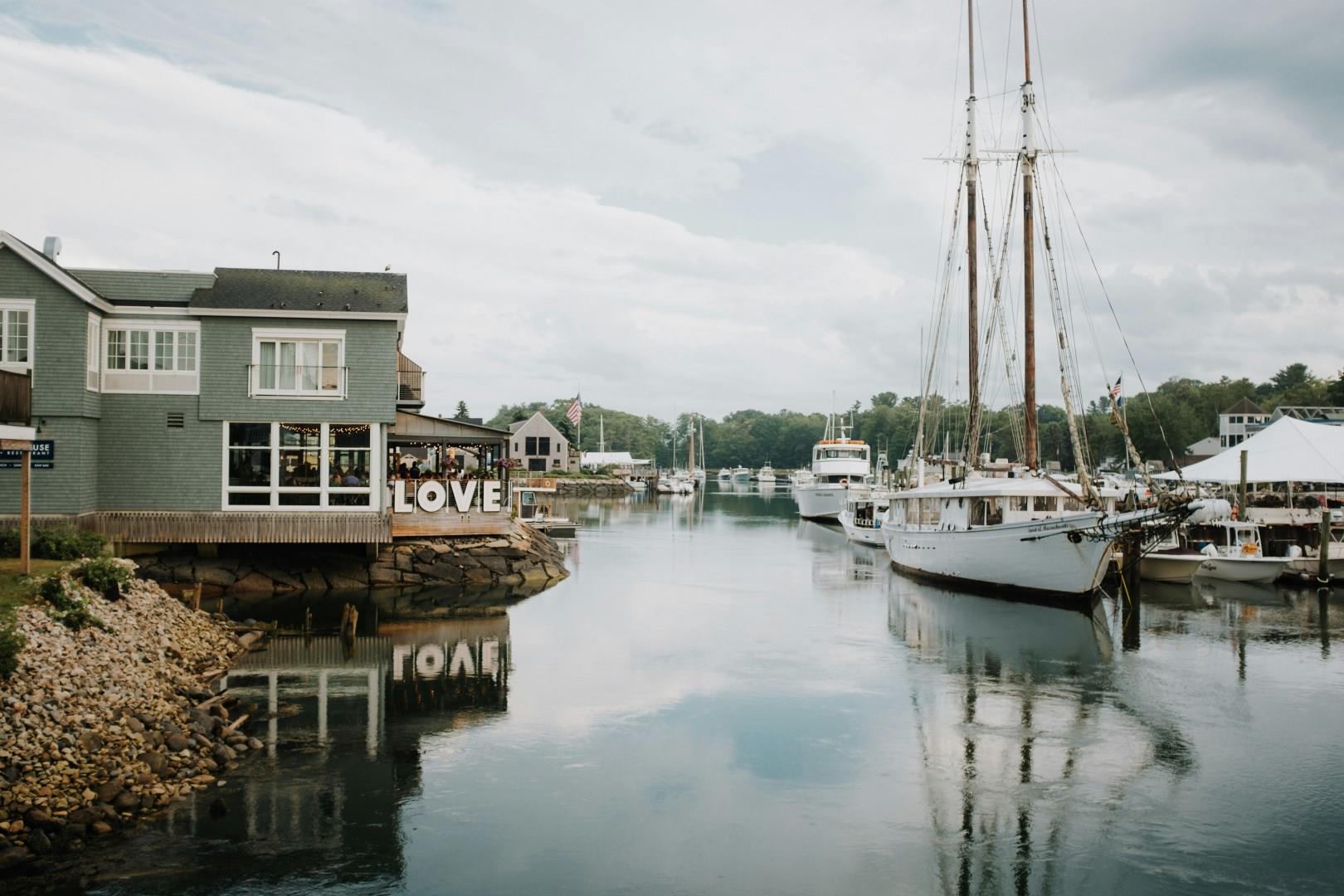
Kennebunkport is a small coastal town with a long maritime history and a character all its own. Originally settled in the 1600s, it grew as a shipbuilding center before becoming a quiet summer escape. Today, its working waterfront meets charming streets lined with boutiques, historic homes, and small galleries. Dock Square, the town’s walkable heart, is where visitors can browse local crafts, sample Maine-made ice cream, or pick up a hand-carved wooden buoy as a souvenir.

Odense
At the very heart of Denmark lies Odense, birthplace of Hans Christian Andersen and Denmark's third-largest city - the fairy-tale capital of Funen, home to 200,000 people and with a history stretching back over 1000 years.
Somalia
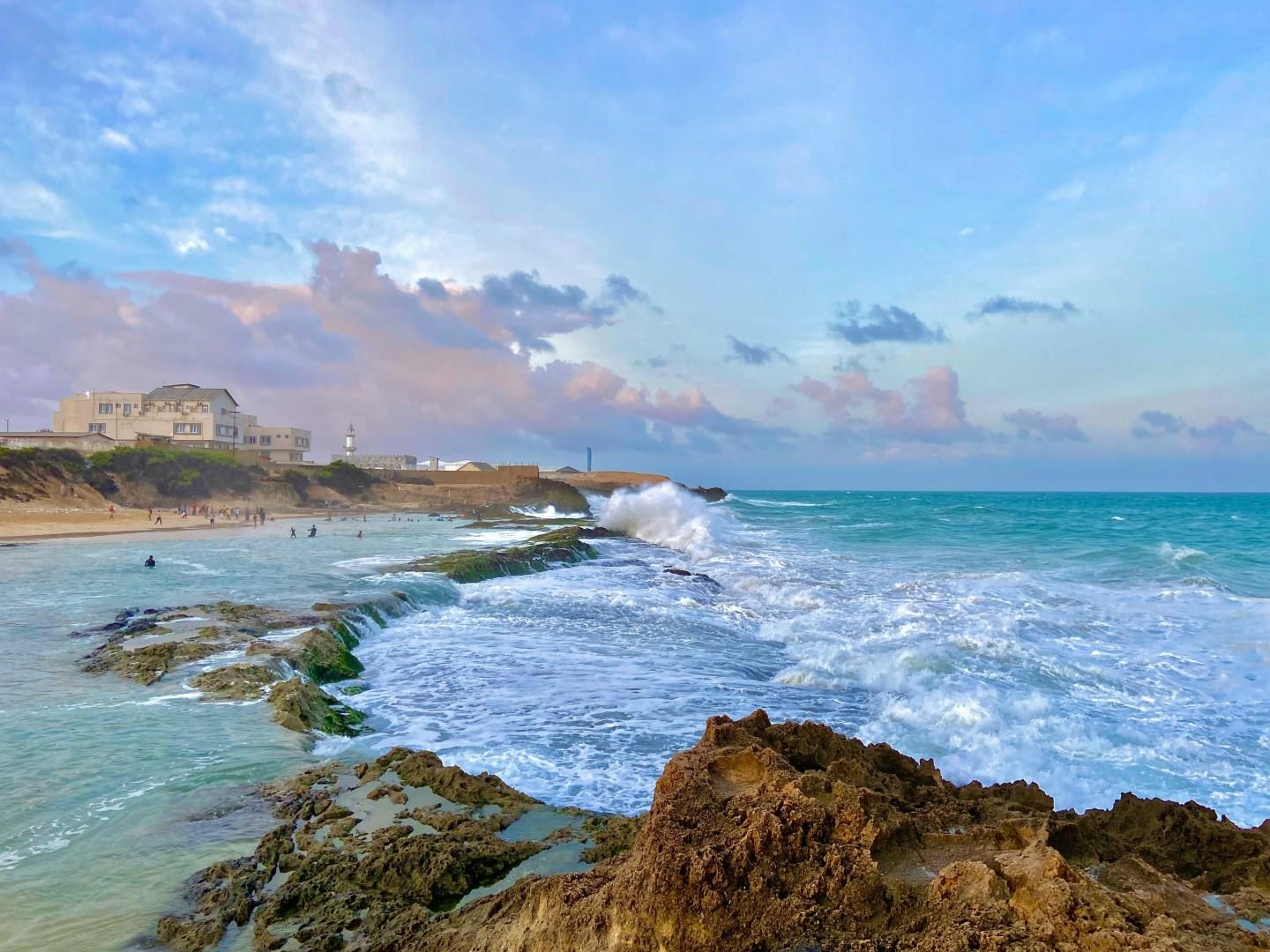
Somalia, located on the Horn of Africa, is a land defined by its coastline, culture, and long history as a crossroads of trade. With the Indian Ocean and Gulf of Aden shaping much of its identity, Somalia has one of the longest coastlines in Africa, stretching over 1,800 miles.
