

Cienfuegos
Cienfuegos, located on Cuba’s south coast along a sheltered bay, stands apart from many other Cuban cities due to its distinct European origins. Founded in 1819 by French settlers, the city developed with a carefully planned layout, wide avenues, and neoclassical architecture that earned it the nickname “La Perla del Sur.”
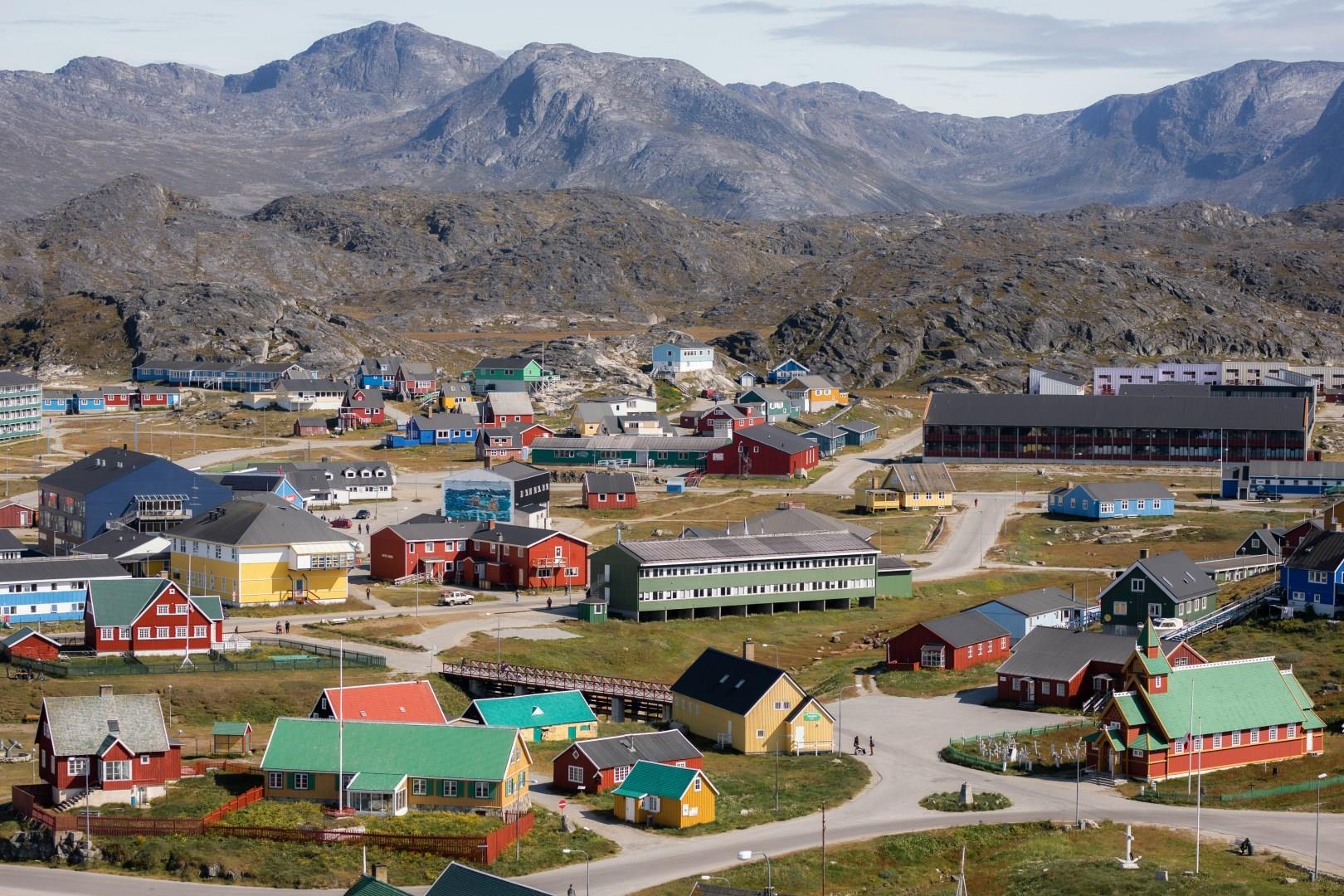
Paamiut
Paamiut lies on Greenland’s southwest coast, where the Labrador Sea meets a rocky, fjord-cut shoreline. Established in the 18th century as a Danish trading post and mission, the town developed around fishing and sealing, activities that continue to shape daily life.

Key West
Beaches, margaritas and relaxed vibes are all part of visiting the island city of Key West, where summer never ends.

Graz
Graz, Austria's second-largest city, is a hidden gem that offers a perfect blend of history, culture, and modernity. Its well-preserved medieval old town, a UNESCO World Heritage Site, invites visitors to stroll through cobblestone streets lined with Renaissance courtyards and Baroque façades. At the heart of the city is the Schlossberg, a forested hill crowned by the iconic clock tower, Uhrturm.

Regina
Regina, Saskatchewan’s capital, is a city with deep roots and wide-open skies. Originally established as a key stop on the Canadian Pacific Railway, Regina quickly grew into a political and cultural hub. Today, visitors can explore its past at the Royal Saskatchewan Museum, which features life-sized dinosaur exhibits and an extensive First Nations gallery.
