
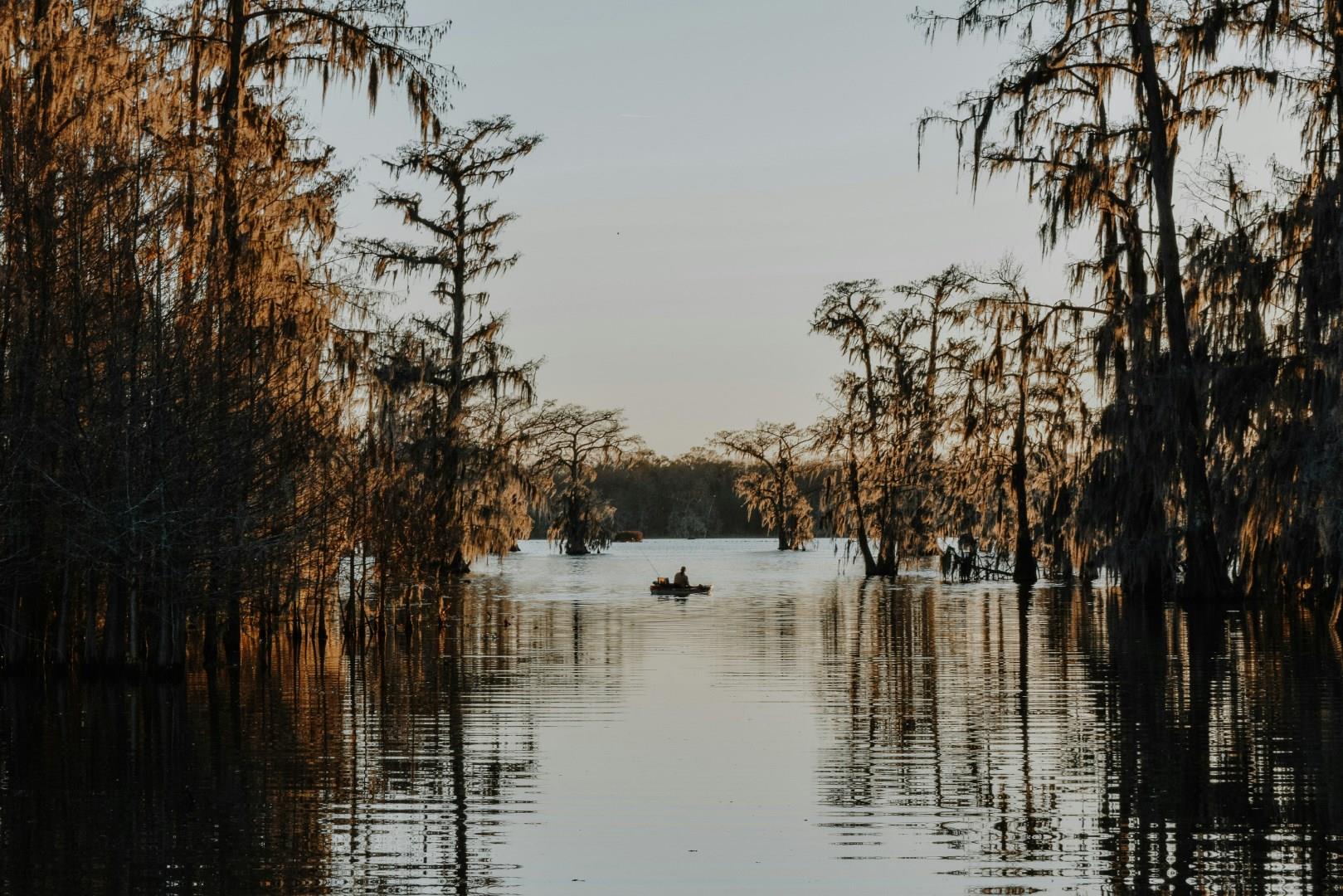
Lafayette
Lafayette is often called the heart of Cajun country for good reason. This vibrant city blends French-speaking roots with bold music, rich storytelling, and a culture that doesn’t just celebrate life but dances through it. Originally settled by Acadians expelled from Canada in the 1700s, Lafayette has grown into a lively hub where traditions are preserved and passed down through generations.

Troy
Troy, a place of legends and a place of history. One of the most famous cities of ancient history, the mythological city of Troy dates back to the early Bronze Age. Best known as the famous city of Helen and the horse of Trojans from Homer's Iliad.

Maasai Mara National Reserve
One of Africa's most popular game reserves, Maasai Mara is located in Narok, Kenya, near the border of Tanzania. Named in honor of the Maasai people, this park is populated with wildlife including elephants, lions, zebras, and leopards.

Virginia
Virginia is a state where past and present share the same ground. In places like Colonial Williamsburg, costumed interpreters walk the same streets once frequented by American revolutionaries, while nearby Jamestown and Yorktown complete what's known as the Historic Triangle. Outside its historic corridors, Virginia surprises visitors with its changing landscapes, from the rolling horse farms of Middleburg to the rugged terrain of the Blue Ridge Mountains.
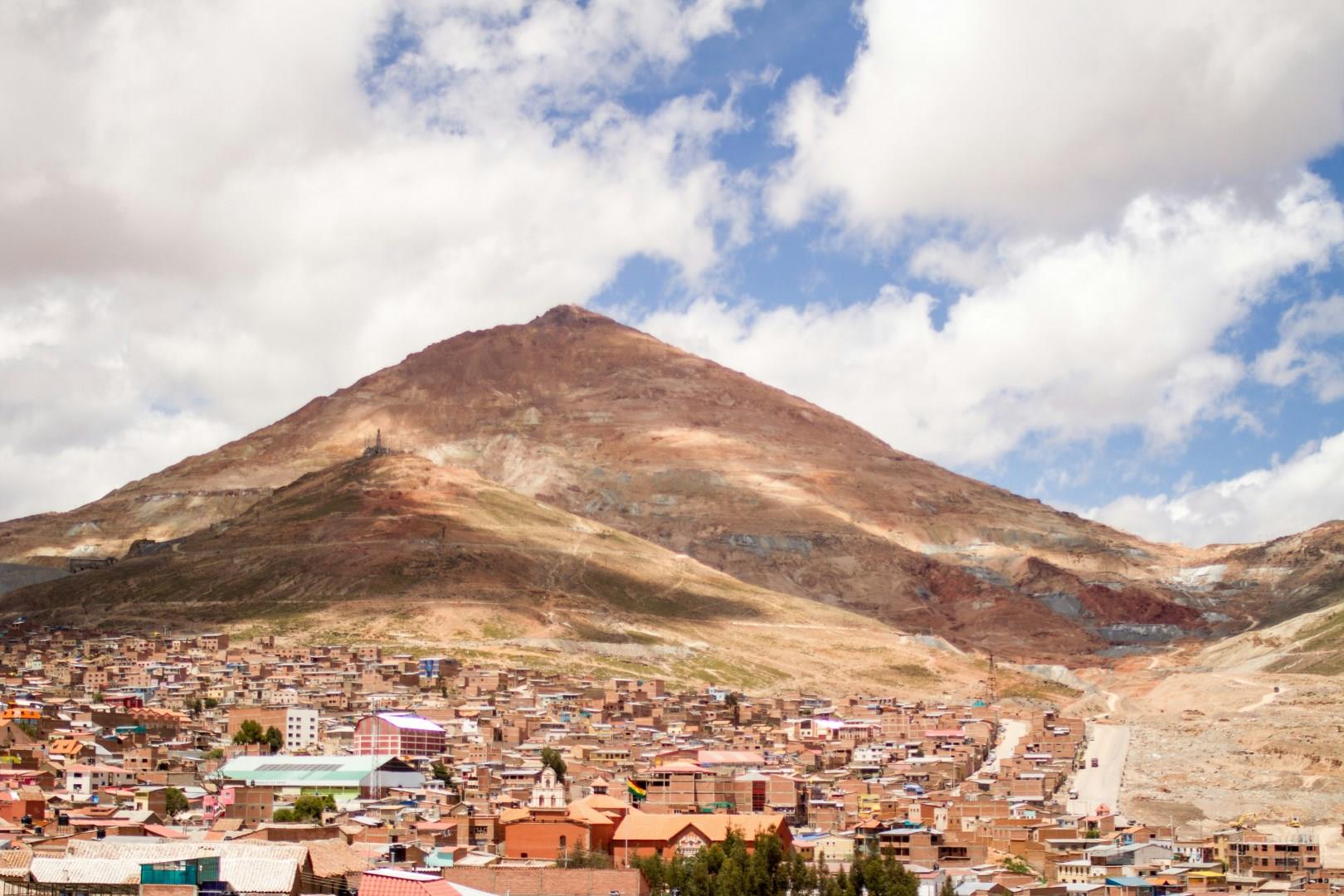
Potosi
Potosí rises on the Altiplano of southern Bolivia and for centuries it was one of the richest cities in the world because of what lies just beyond its streets. At the foot of Cerro Rico (“Rich Mountain”), silver was discovered in the mid-1500s, and within a few decades the city became a center of mining and wealth that shaped global trade and economies.
