

Tajikistan
Tajikistan, a landlocked country in Central Asia, is defined by its dramatic mountain landscapes, including the towering Pamir and Fann ranges. These rugged peaks and deep valleys create a striking backdrop for ancient Silk Road sites and traditional villages, reflecting the country’s historical importance as a crossroads of cultures.

Marseille
Marseilles is an enticing port city known for its delectable seafood, breathtaking views of the Mediterranean, and diverse melting pot of cultures.

Loyalty Islands
The Loyalty Islands, an enchanting archipelago in New Caledonia, provide an unforgettable escape for travelers looking to experience an unspoiled side of the Pacific.
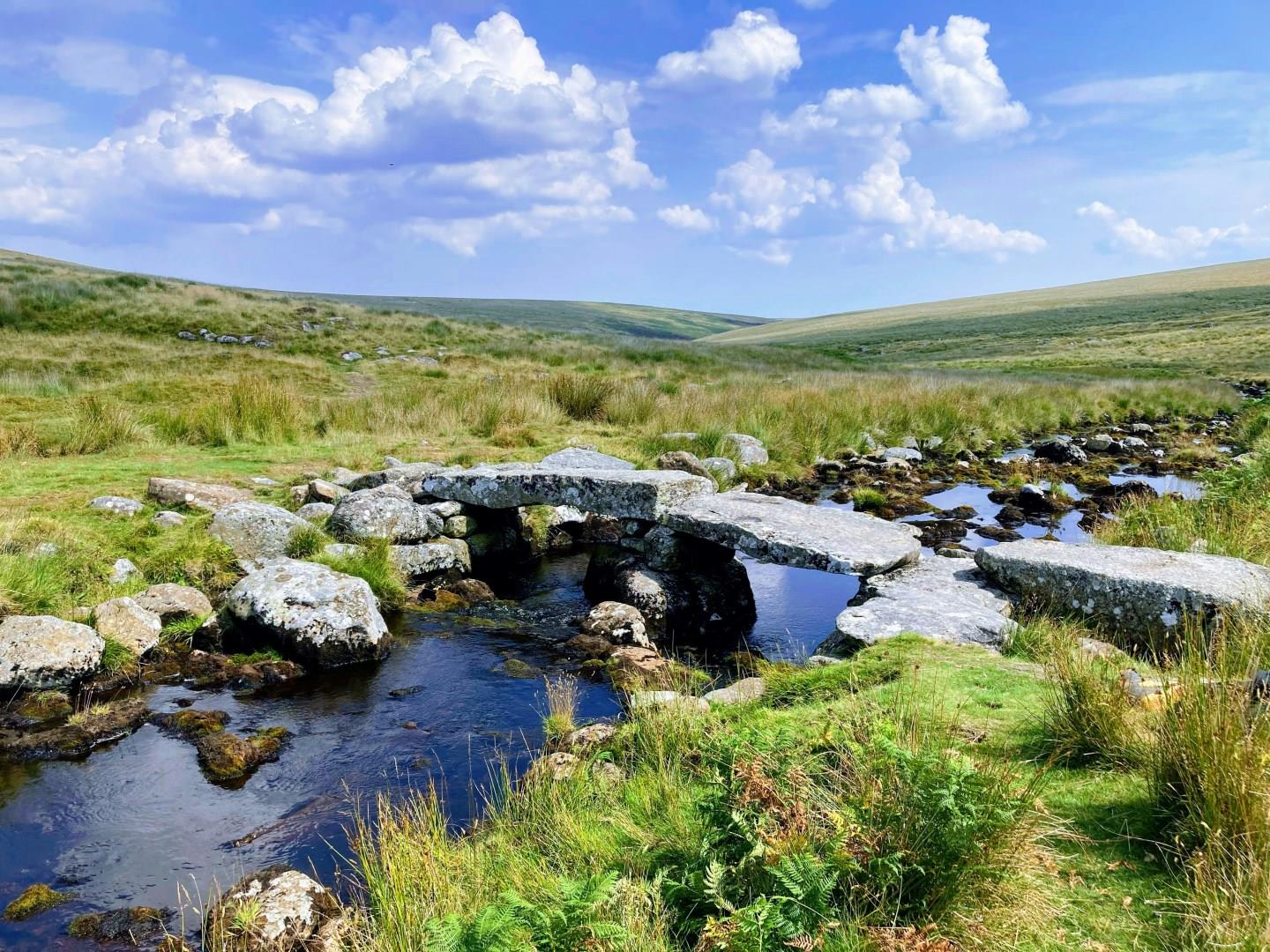
Dartmoor National Park
Dartmoor National Park sits in the heart of Devon, England, and invites travelers to step into a landscape that has changed little over thousands of years. Rolling moorland, deep river valleys, and more than 450 miles of paths give visitors space to explore at their own pace. Ancient stone rows, circular dwellings, and burial cairns spread across the moorland are reminders of people who lived here as far back as the Bronze Age.

Cyprus
In Cyprus, travelers are immersed in a culture that draws on Europe, the Middle East, and 9000 years of constant invasion. Crusader castles rub shoulders with ancient vineyards, frescoed monasteries overlook citrus orchards, and sandy, sun-soaked feet tread Roman mosaic floors.
