
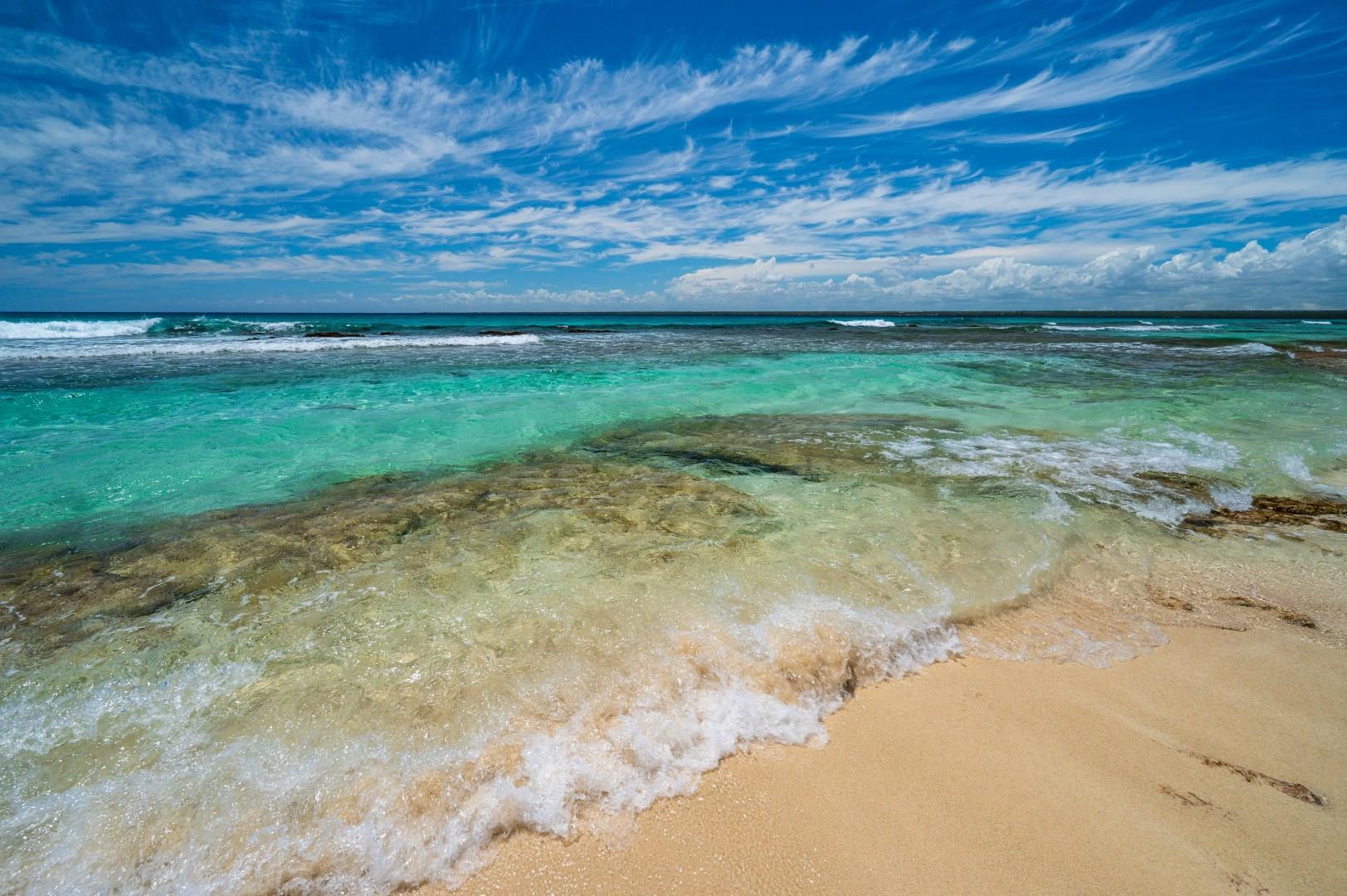
Catalina Island
Catalina Island, located just 1.5 miles off the southeastern coast of the Dominican Republic, is a serene tropical escape known for its pristine beaches and vibrant coral reefs.

Regina
Regina, Saskatchewan’s capital, is a city with deep roots and wide-open skies. Originally established as a key stop on the Canadian Pacific Railway, Regina quickly grew into a political and cultural hub. Today, visitors can explore its past at the Royal Saskatchewan Museum, which features life-sized dinosaur exhibits and an extensive First Nations gallery.

Halong Bay
Halong Bay, located in northeastern Vietnam, is a stunning UNESCO World Heritage site known for its emerald waters and towering limestone islands. This natural wonder offers a variety of activities for visitors, including cruising, kayaking, snorkeling, and exploring extraordinary caves like the Sung Sot.

Hiroshima
Hiroshima, a city on Japan’s Honshu Island, is a place where history and resilience intertwine to create a destination that is both deeply moving and inspiring. Beyond its historical significance, Hiroshima offers visitors a vibrant cultural scene.

Ancona
Ancona, perched on the Adriatic coast of Italy, is a vibrant port city with a rich historical tapestry and stunning seaside vistas. As the capital of the Marche region, Ancona boasts a captivating blend of ancient and modern charm. The city’s historical heart is evident in landmarks like the Roman Arch of Trajan, which stands as a testament to Ancona’s significance during Roman times.
