
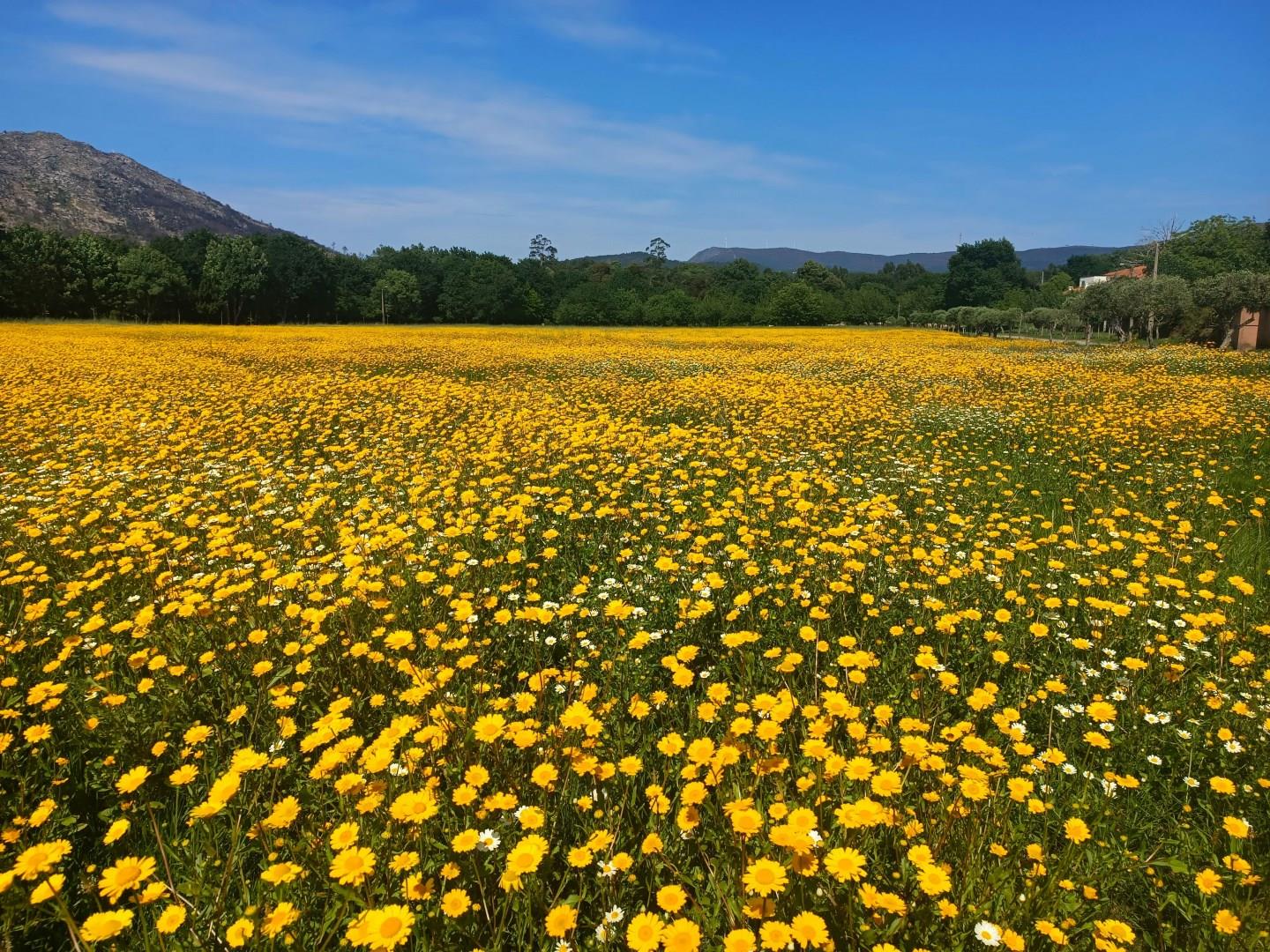
Caminha
Caminha sits at Portugal’s northern edge, where the Minho River meets the Atlantic and marks the border with Spain. Its history is closely tied to defense and trade, visible in remnants of medieval walls and a compact historic center that once guarded the river mouth.

Dominica
Dominica, known as the “Nature Island of the Caribbean,” is a haven for eco-tourists and adventure seekers. Nestled between the French islands of Guadeloupe and Martinique, this lush island boasts a remarkable landscape of volcanic mountains, dense rainforests, and stunning waterfalls. Dominica’s most iconic natural wonder is the Boiling Lake, the second-largest hot spring in the world.
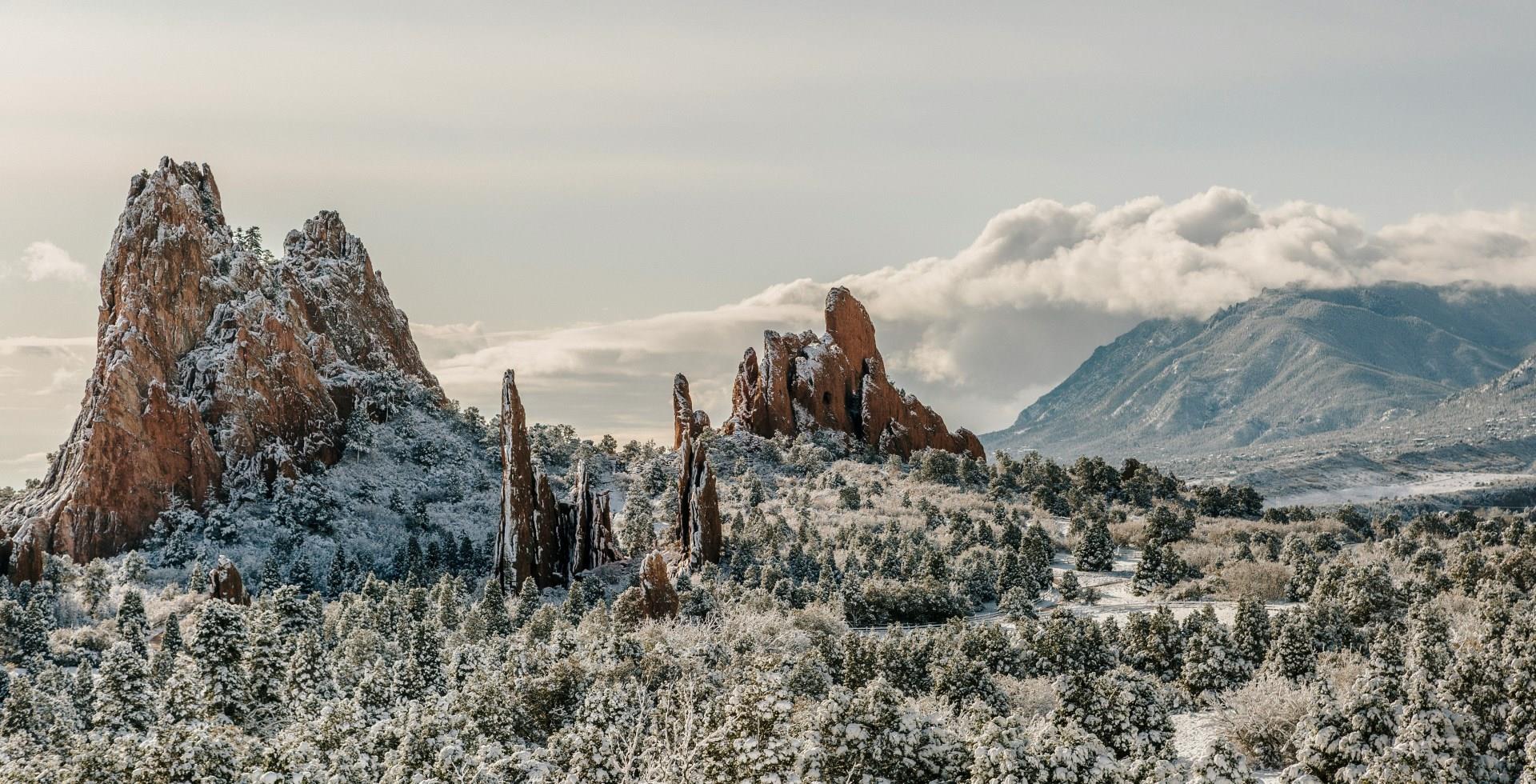
Colorado Springs
Modern-day Colorado Springs is flourishing, as the second largest city in Colorado. Fortunately, the unique features which attracted people long ago still remain. Nature entices with her array of textures and striking colors. People from all over the world visit to appreciate the countless natural and man-made attractions the Pikes Peak region has to offer.
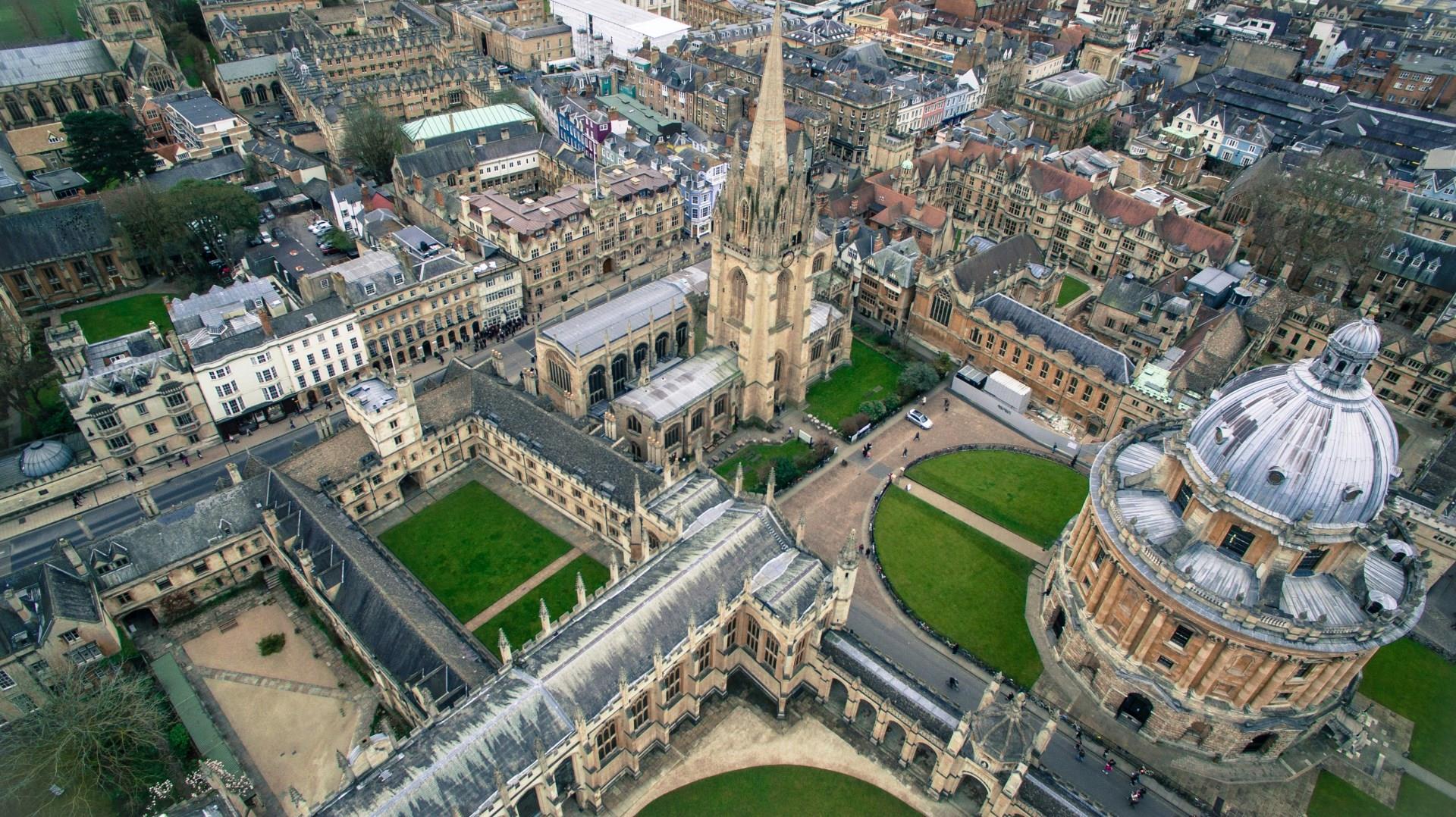
Oxford
Oxford is best known for its world-famous university, but the city offers much more than historic college halls and ivory towers. Its skyline, shaped by spires and domes, hints at centuries of intellectual life. The University of Oxford dates back to at least the 12th century and includes iconic buildings like the Bodleian Library, one of the oldest libraries in Europe, and the Radcliffe Camera, a circular reading room that looks more like a cathedral than a place for quiet study.

Arches National Park
Arches National Park, located in eastern Utah, is a mesmerizing landscape filled with more than 2,000 natural stone arches, pinnacles, and balanced rocks sculpted by centuries of wind and water erosion. One of the most iconic landmarks is Delicate Arch, a freestanding red rock formation that has become a symbol of Utah itself.
