
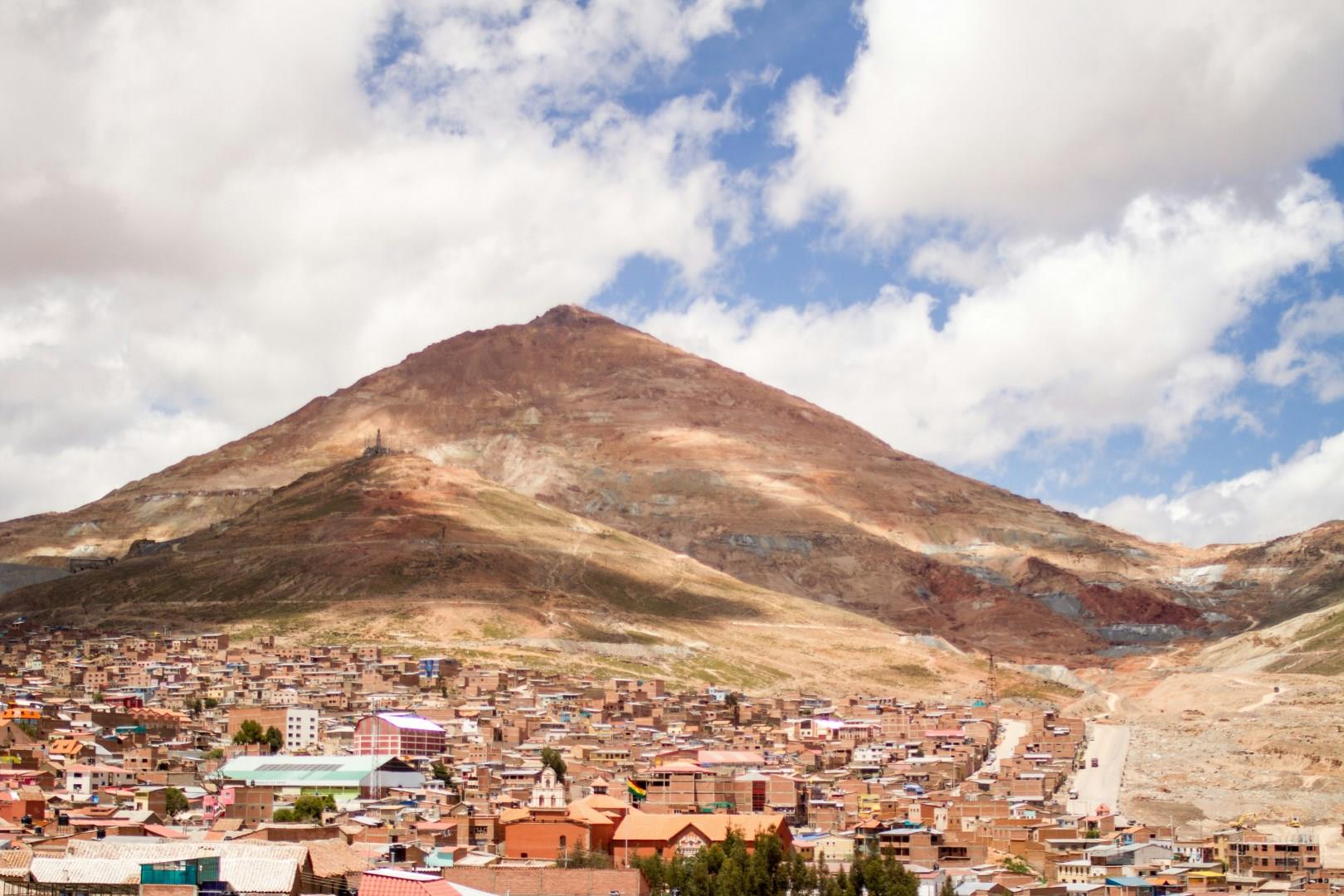
Potosi
Potosí rises on the Altiplano of southern Bolivia and for centuries it was one of the richest cities in the world because of what lies just beyond its streets. At the foot of Cerro Rico (“Rich Mountain”), silver was discovered in the mid-1500s, and within a few decades the city became a center of mining and wealth that shaped global trade and economies.
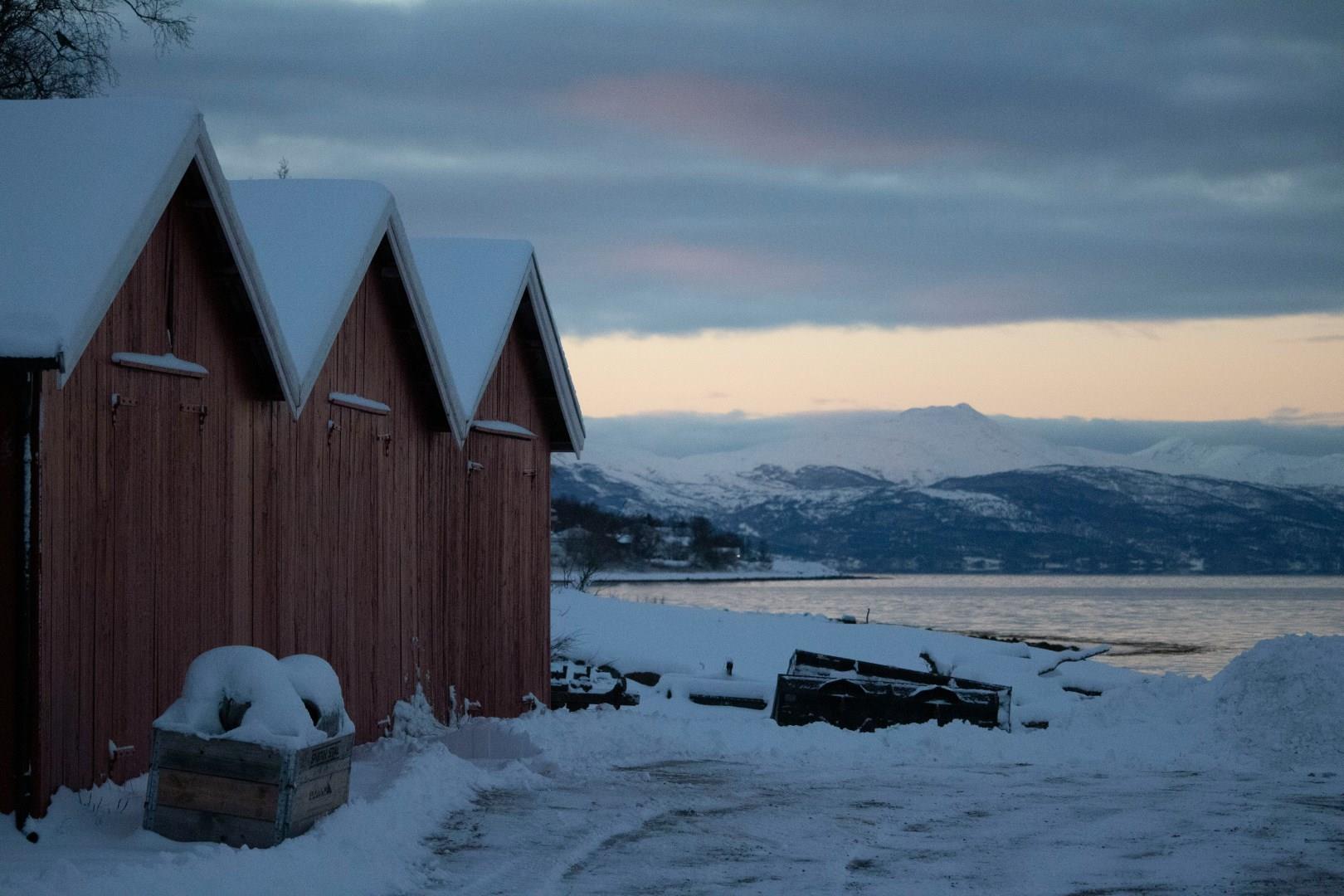
Narvik
Narvik’s most striking features is its natural setting. The town sits between steep fjords and rugged mountains, making it one of the few places in Norway where visitors can ski with ocean views. Narvikfjellet, the local mountain resort, operates in both winter and summer. During the colder months, it's popular for alpine skiing and northern lights viewing; in summer, the gondola runs for hikers and photographers eager to take in views of the Ofotfjord from the summit.

Luxor
On the Nile's east bank sits Luxor, a onetime stronghold for Egyptian pharaohs. Key sites include Luxor Temple, Karnak Temple, and the Valley of the Kings.

Veneto
Veneto, a region in northeastern Italy, offers a rich tapestry of history, culture, and natural beauty. The city of Verona, famous for its Shakespearean connection, is a jewel within this region. Visitors can explore the ancient Roman Arena, where operas and concerts are still held amidst the ruins. Wander through Verona’s medieval streets, and you’ll find Juliet’s House, a romantic site made famous by Romeo and Juliet.
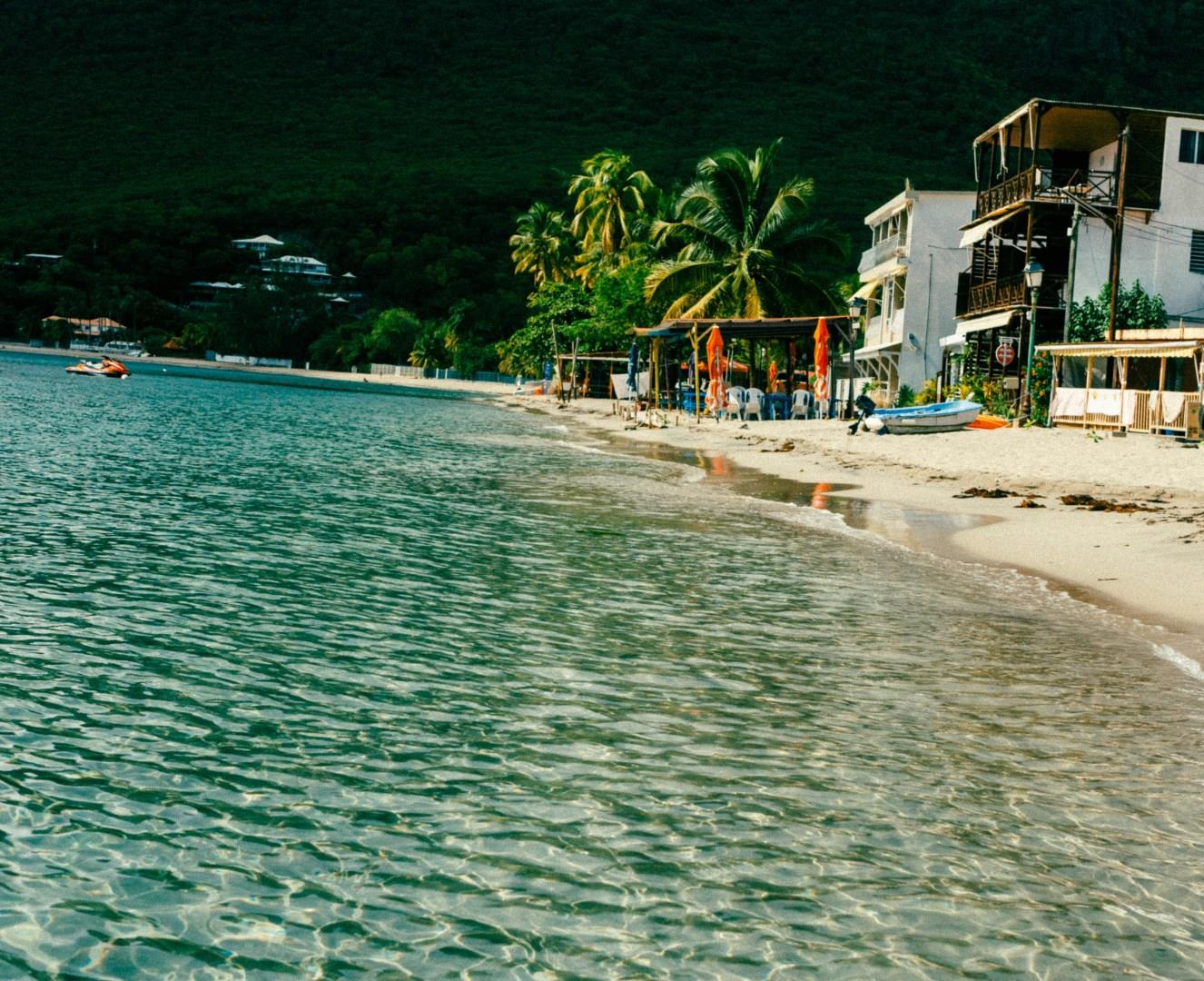
Les Anses-d'Arlet
Les Anses-d’Arlet, a charming fishing village on Martinique’s southern coast, is known for its picture-perfect blend of Caribbean warmth and local tradition. Its centerpiece is a white-sand beach backed by brightly painted houses and the landmark Church of St. Henry, whose steeple aligns beautifully with the sea when viewed from the pier.
