

Rousse
Rousse, Bulgaria, often referred to as "Little Vienna," sits gracefully on the banks of the Danube River. Known for its rich history, stunning architecture, and vibrant culture, Rousse offers a glimpse into Bulgaria's past while embracing the future. The city's central square, Svoboda (Freedom) Square, is a great starting point for exploring.

Northern Ireland
History is deeply embedded in the heart of Northern Ireland, where ancient castles, historic sites, and vibrant cities bring the past to life at every turn. As visitors journey from its dramatic coastline, with towering cliffs and sweeping sea views, to the rolling green hills that define the countryside, they will find themselves immersed in an adventure that blends rich heritage with stunning natural beauty, offering an experience they'll never forget.
Syracuse
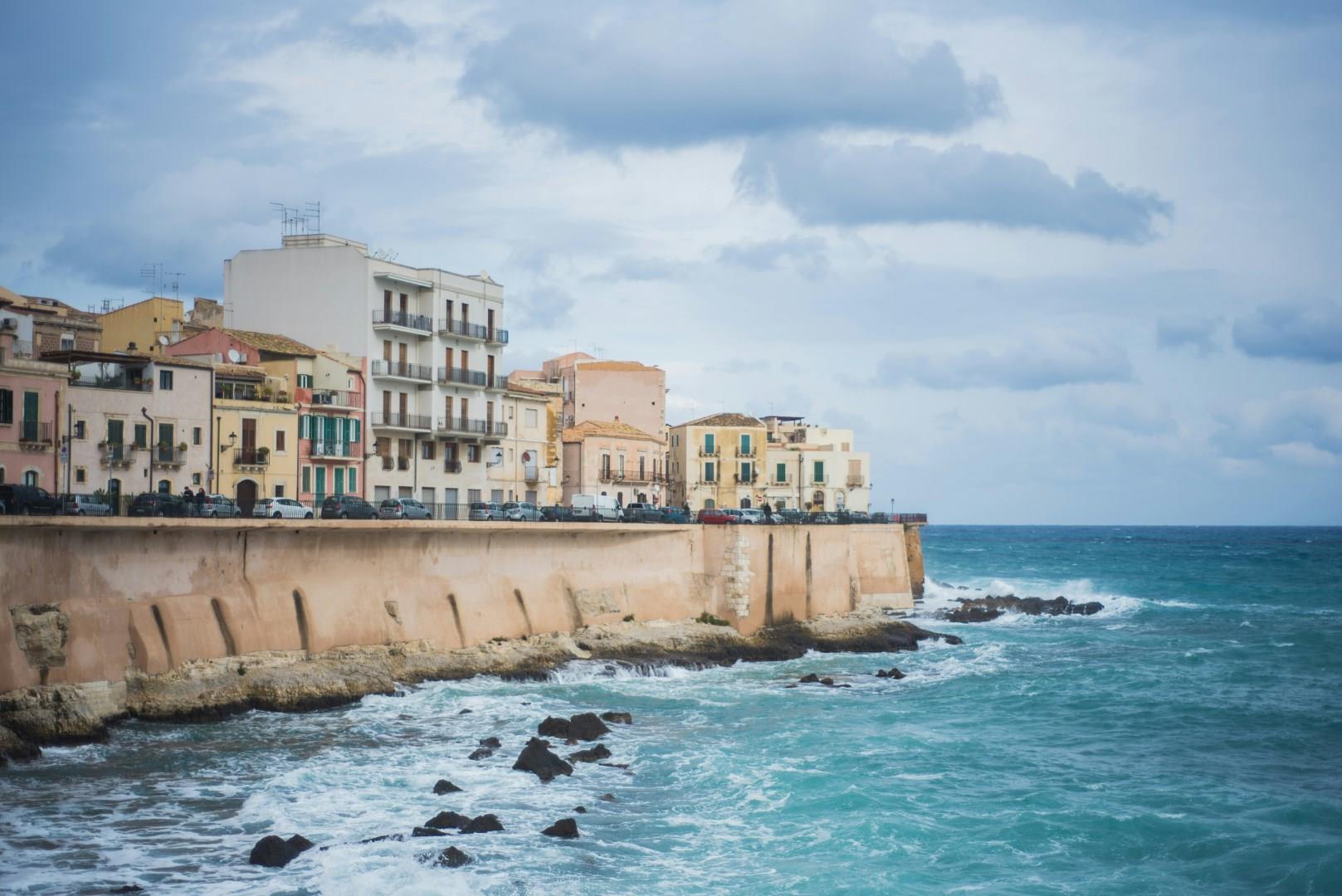
Syracuse, located on the eastern coast of Sicily, is a city where history and the sea converge in unforgettable ways. Founded by ancient Greeks in the 8th century BC, it became one of the most powerful city-states of its time. Today, visitors can explore the impressive archaeological park of Neapolis, which features a vast Greek theatre, Roman amphitheater, and the Ear of Dionysius, a limestone cave known for its remarkable acoustics.
Burgos
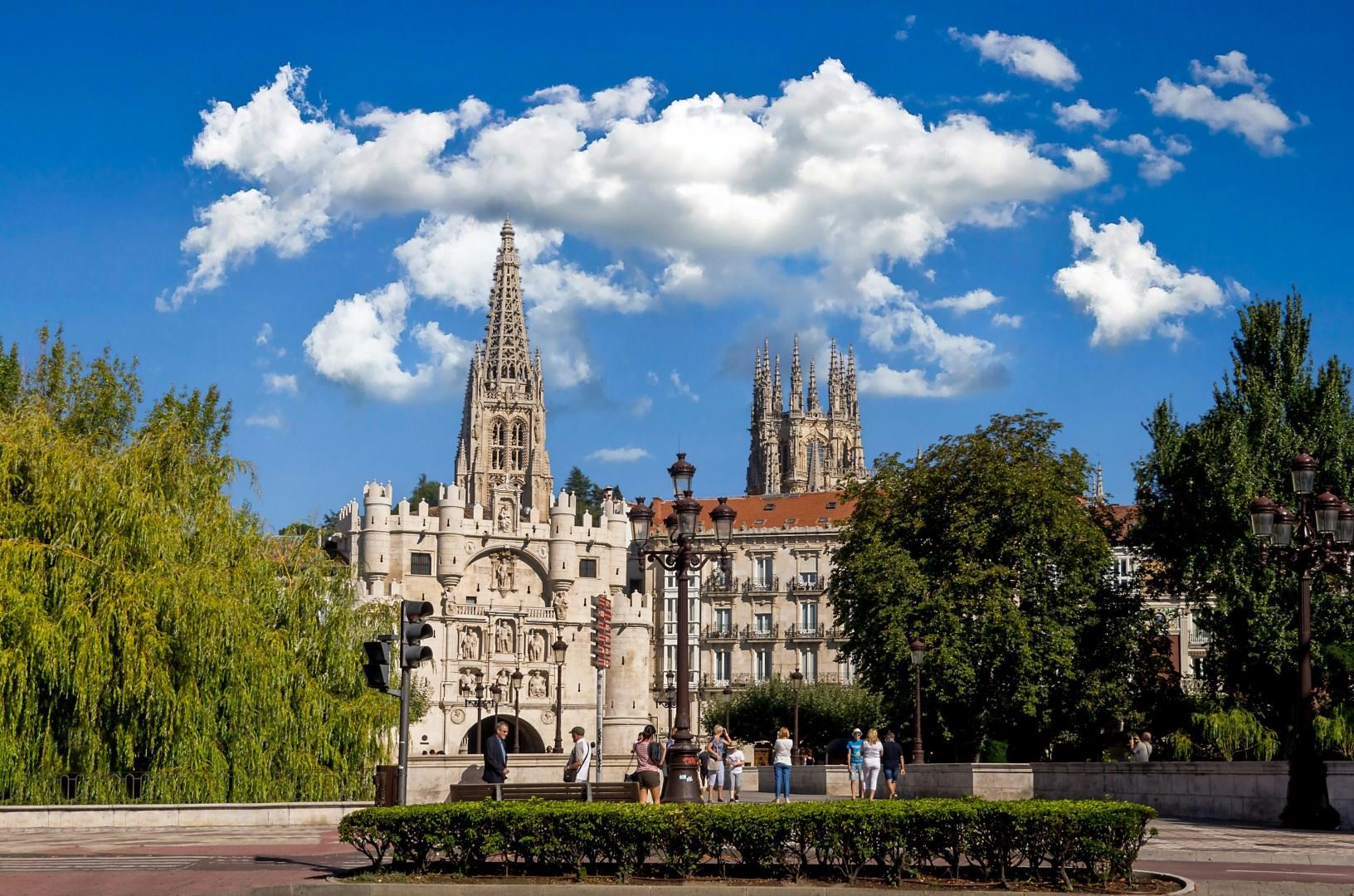
Burgos, located in northern Spain, is a city where medieval heritage is still part of daily life. At its heart stands the Burgos Cathedral, a UNESCO World Heritage Site and one of the most striking examples of Gothic architecture in Europe. Construction began in 1221 and continued for over 300 years, resulting in a cathedral that features elaborate spires, stained glass, and the tomb of El Cid, Spain’s legendary military leader.

Caye Caulker
Caye Caulker lies off the coast of Belize, a small island that was once a quiet fishing village and today still feels wonderfully uncrowded compared to many Caribbean destinations. Its name likely comes from an English twist on “Hicaco,” the old Spanish name meaning coco plum, a nod to the island’s early days and bilingual roots.
