
Kanchanaburi
Kanchanaburi, a province in western Thailand, is best known for its poignant history and lush landscapes. It was here that Allied prisoners of war and Asian laborers were forced to build the infamous Death Railway during World War II, including the Bridge over the River Kwai, which remains a powerful symbol of resilience.

Dominica
Dominica, known as the “Nature Island of the Caribbean,” is a haven for eco-tourists and adventure seekers. Nestled between the French islands of Guadeloupe and Martinique, this lush island boasts a remarkable landscape of volcanic mountains, dense rainforests, and stunning waterfalls. Dominica’s most iconic natural wonder is the Boiling Lake, the second-largest hot spring in the world.

Oregon
Oregon invites travelers to experience landscapes and stories that shift dramatically from one region to the next. In the south, Crater Lake National Park holds the title of deepest lake in the U.S., formed inside the remains of an ancient volcano. With its intense blue color and dramatic cliffs, the lake draws visitors year-round for hiking, snowshoeing, or simply standing in awe.
Syros
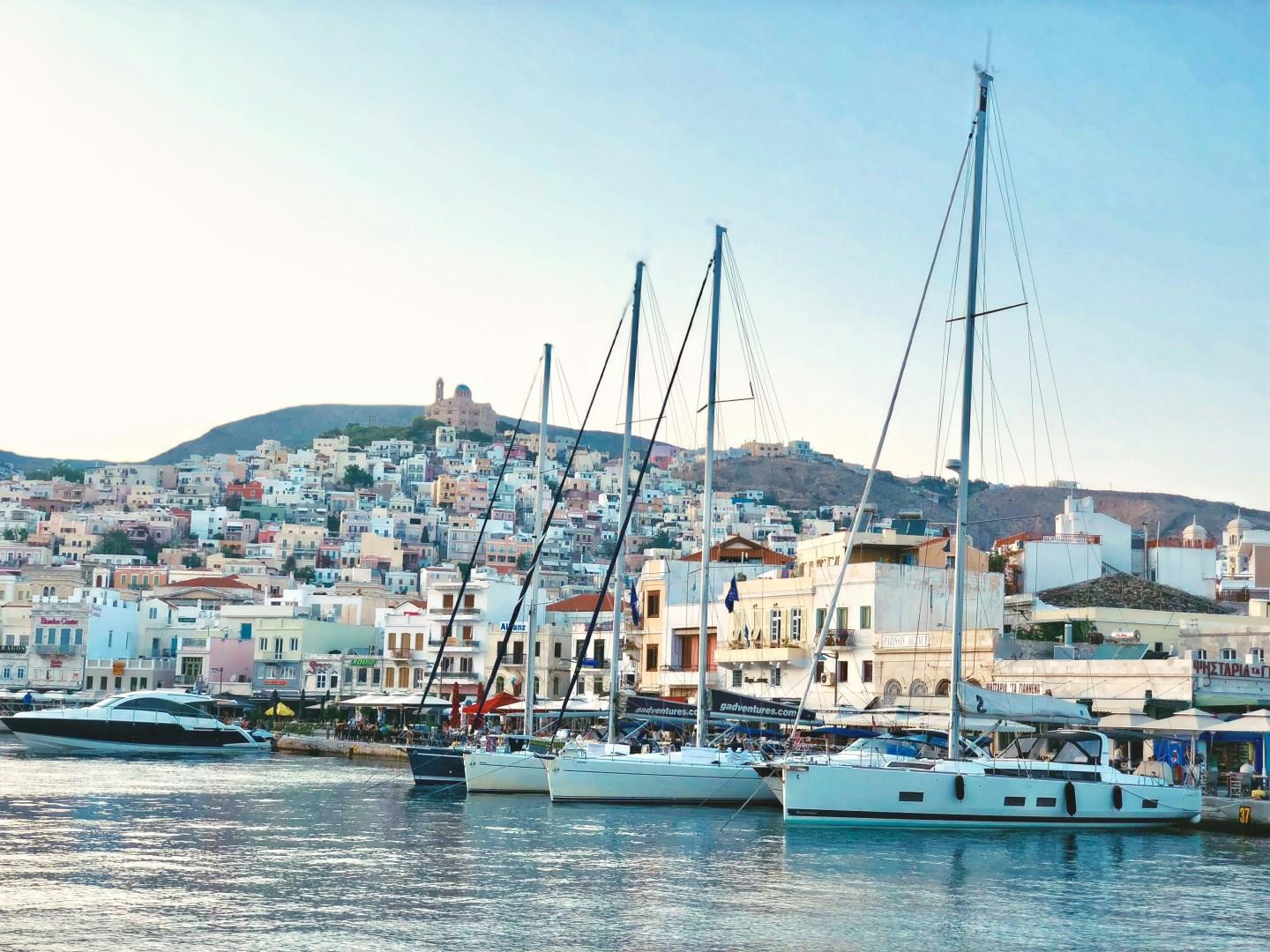
Syros, the capital of the Cyclades, stands apart from its island neighbors with its blend of neoclassical architecture, Orthodox and Catholic traditions, and year-round local life. Ermoupoli, the main town, was once a thriving 19th-century port and still displays its legacy through grand mansions, marble-paved squares, and the imposing Apollo Theater which was designed by an Italian architect and often referred to as a miniature La Scala.

Arles
Nestled between two nature parks and the Rhône River, picturesque Arles will absolutely delight any traveler to the south of France. Situated near Marseille in the Provence-Alpes-Côte d’Azur region, Arles boasts small town charm and its architectural treasures have been heavily influenced by the city’s role as an ancient Roman capital.
