
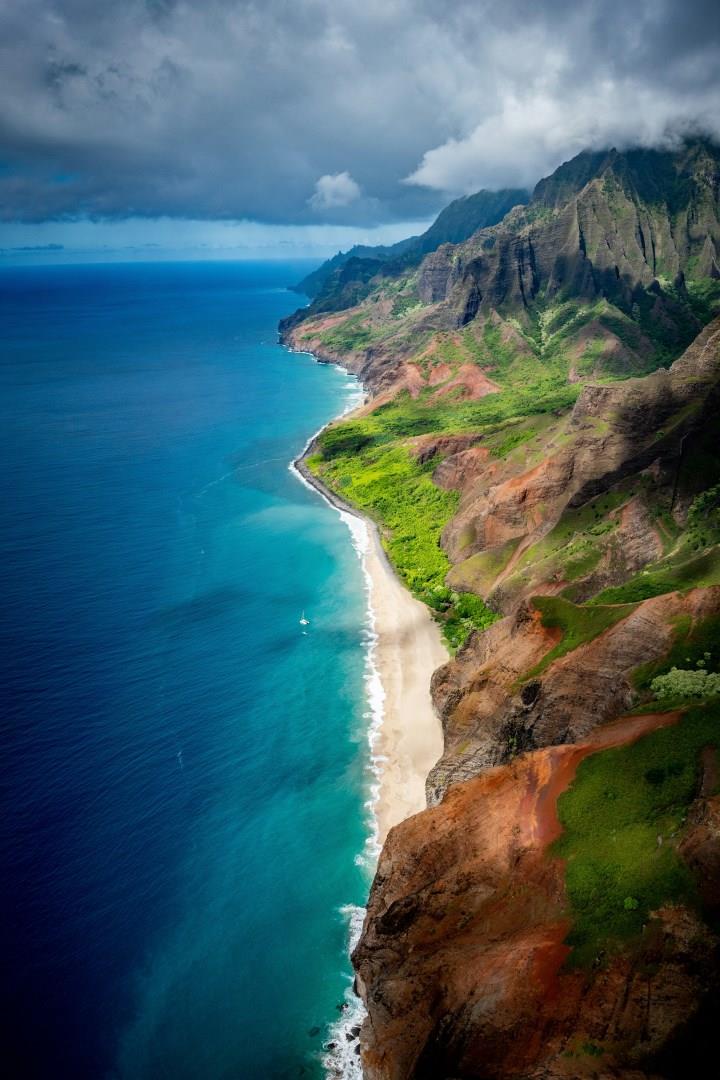
Napali Coast State Wilderness Park
Napali Coast State Wilderness Park, located on the northwestern edge of Kauai, is one of Hawaii’s most visually dramatic landscapes. The coastline stretches for 17 miles and is defined by towering cliffs, known locally as "pali," that rise over 4,000 feet above the Pacific Ocean. These rugged ridges are carved by centuries of rainfall and volcanic activity, creating a landscape only accessible by foot, boat, or air.

India
Considered a hub for the world’s information technology industry, India is a major player in the global economy, and its cosmopolitan cities, including Delhi and Mumbai, offer a mosaic of modern and historic architectural styles for locals and visitors alike to enjoy.
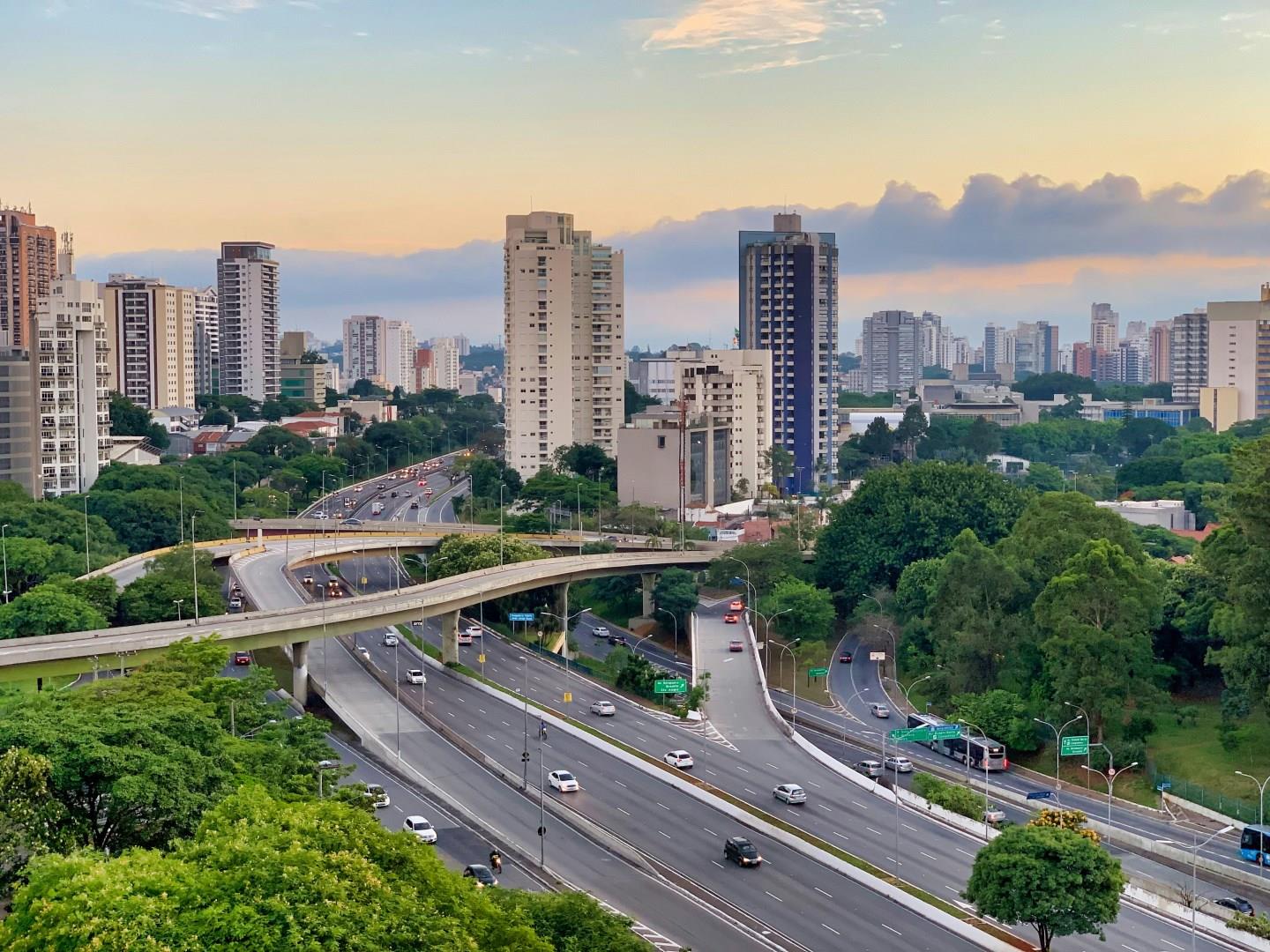
Sao Paulo
Sao Paulo is Brazil’s largest city and its economic engine, shaped by waves of migration that began in the late 19th century and never truly slowed. Italians, Japanese, Lebanese, and migrants from across Brazil all left visible marks on the city’s neighborhoods, food, and cultural life.
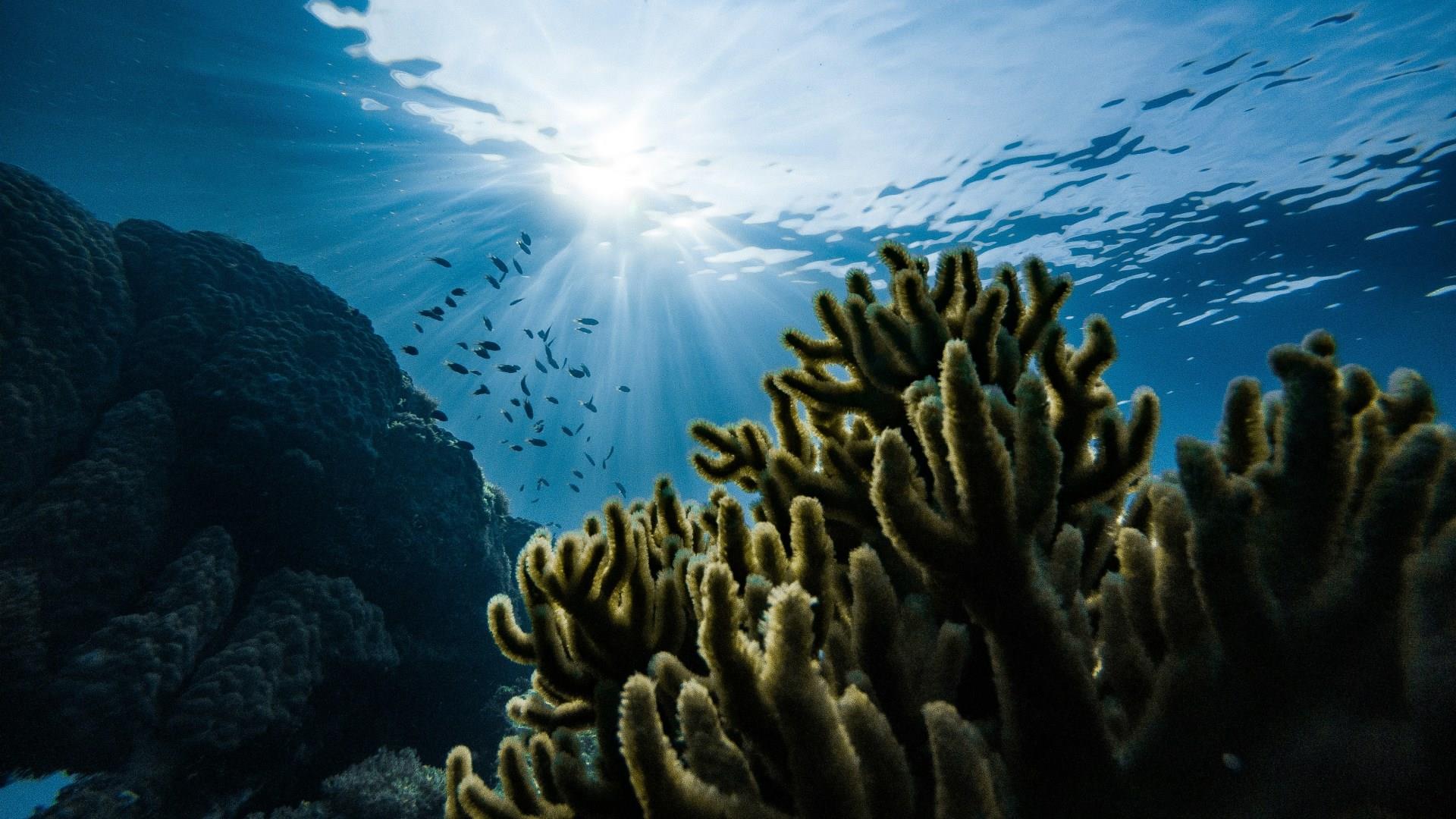
Chuuk
Chuuk, one of the four states of the Federated States of Micronesia, is best known for its vast lagoon which is one of the largest enclosed lagoons in the world. But what sets Chuuk apart is what lies beneath those calm blue waters: an entire underwater fleet of sunken warships, aircraft, and submarines left from World War II. Often called the "Ghost Fleet of Truk Lagoon," these wrecks make Chuuk a global destination for experienced divers.

Costa Rica
Costa Rica is a country that has built its identity around both natural preservation and cultural vibrancy. Known for its stable democracy and emphasis on sustainability, it has become a global leader in eco-tourism.
