
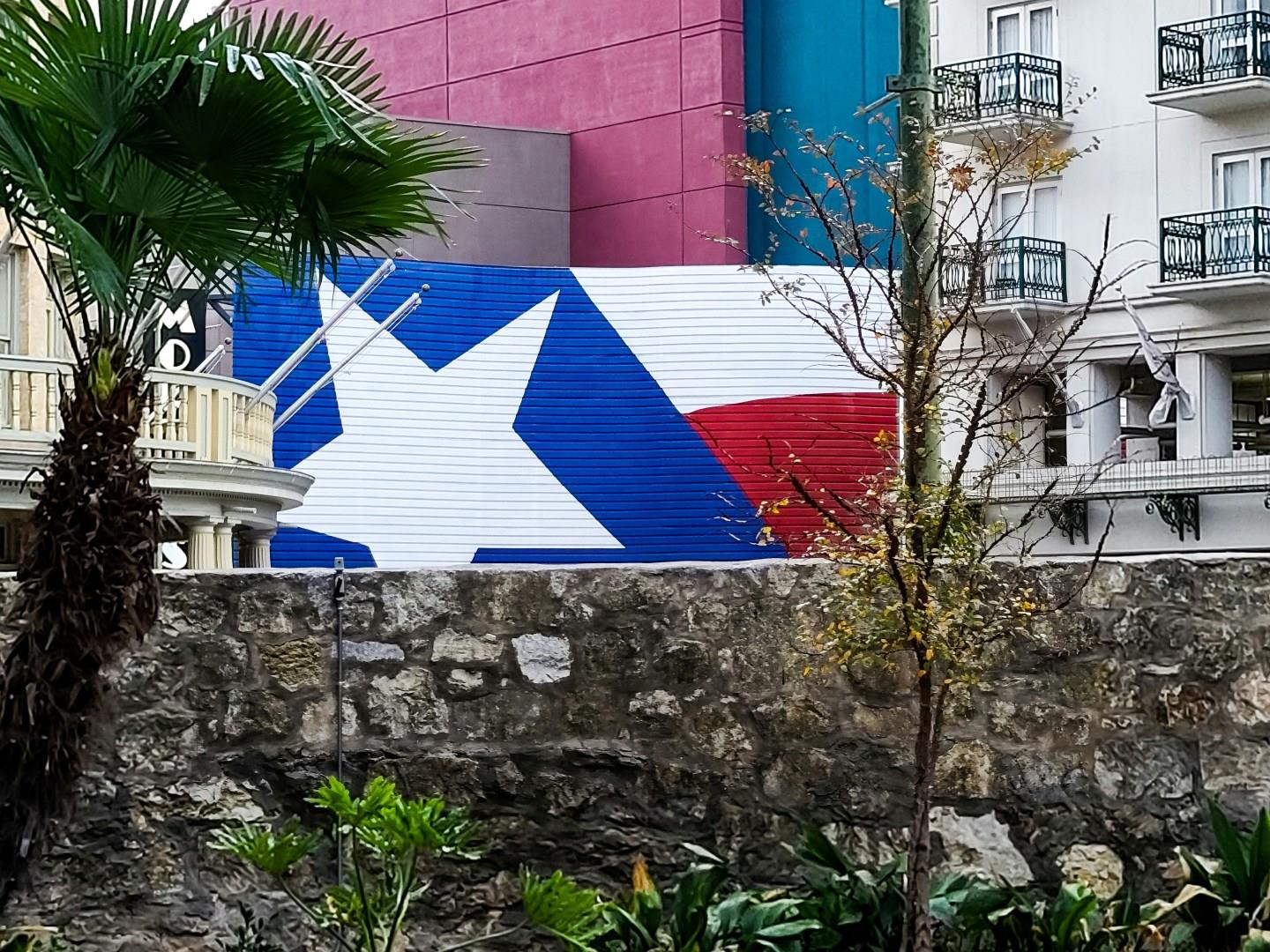
San Antonio
San Antonio is a city where centuries-old missions, lively markets, and a strong sense of place come together in unexpected ways. At the heart of it all is the Alamo, the former Spanish mission that became a symbol of Texas independence after the pivotal 1836 battle. Beyond its landmarks, San Antonio thrives through its neighborhoods. The River Walk weaves through downtown, lined with restaurants, shops, and galleries.
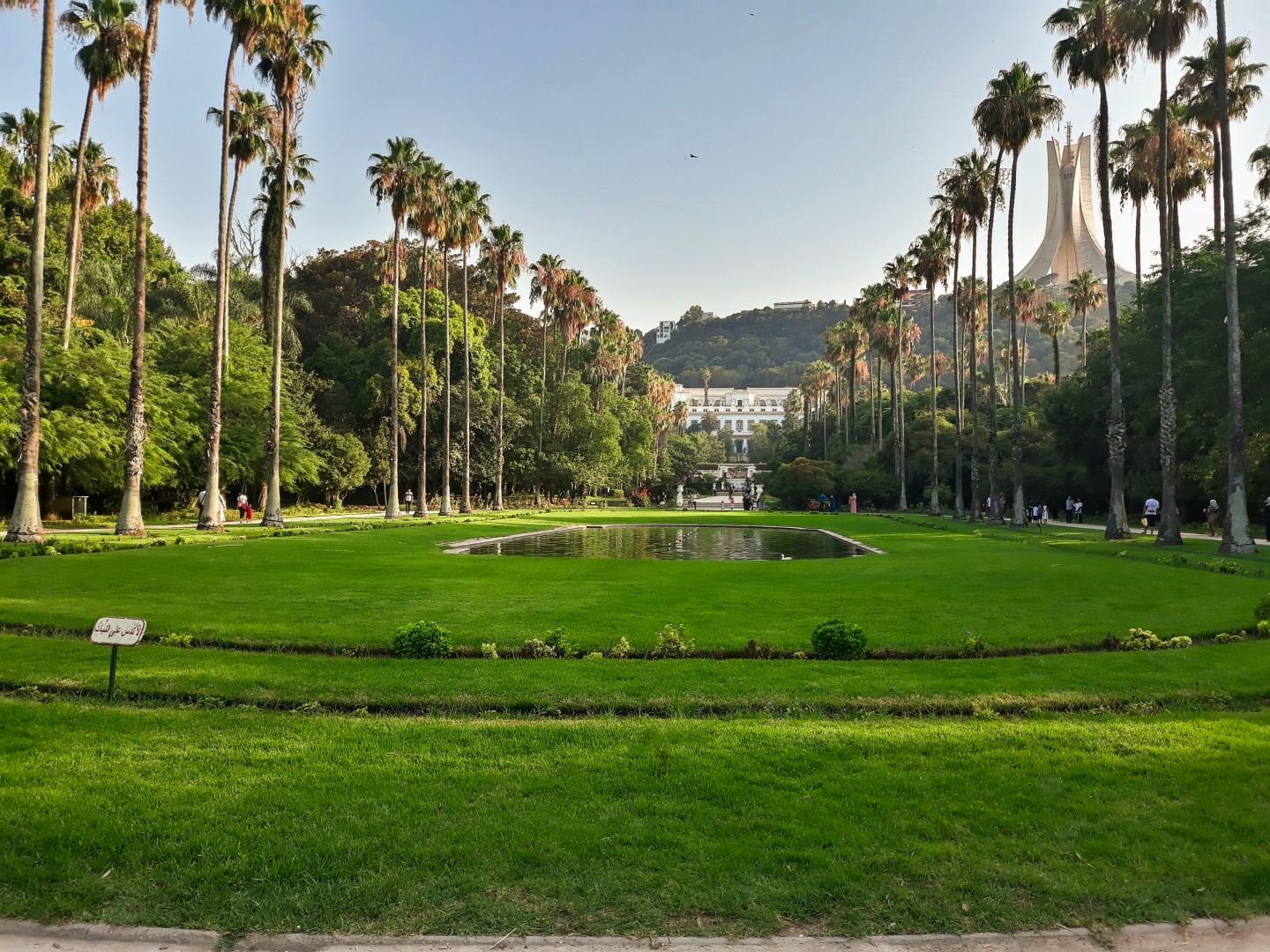
Algiers
Algiers, Algeria’s capital, is a city where centuries of history unfold along the shores of the Mediterranean. Known as “El Bahdja,” or “The Joyful,” Algiers blends striking buildings, seaside breezes, and layered stories. One of its most iconic landmarks is the Casbah, a UNESCO World Heritage site with maze-like alleyways, Ottoman-era palaces, and hidden terraces overlooking the bay. The Grand Post Office, with its striking facade and intricate neo-Moorish details, anchors the city’s downtown.

Ho Chi Minh City
Ho Chi Minh City, Vietnam’s largest metropolis, is a dynamic hub where history, culture, and commerce intersect. Formerly known as Saigon, the city reflects layers of its past, from French colonial architecture to markets and historic districts that capture the energy of daily life.

Nicaragua
Nicaragua offers travelers a look into centuries of layered history set against striking natural backdrops. Visitors can tour the baroque-style Granada Cathedral, take a boat ride through Las Isletas (a chain of small, volcanic islands in Lake Nicaragua), or climb the bell tower of Iglesia La Merced for sweeping city views.

Nuku Hiva Island
Nuku Hiva is the largest of the Marquesas Islands in French Polynesia, a place where scale and isolation shape both history and daily life. Long before European contact, the island supported complex Marquesan societies known for stone architecture, tattoo traditions, and ceremonial sites, many of which remain scattered across its valleys.
