

Dominica
Dominica, known as the “Nature Island of the Caribbean,” is a haven for eco-tourists and adventure seekers. Nestled between the French islands of Guadeloupe and Martinique, this lush island boasts a remarkable landscape of volcanic mountains, dense rainforests, and stunning waterfalls. Dominica’s most iconic natural wonder is the Boiling Lake, the second-largest hot spring in the world.
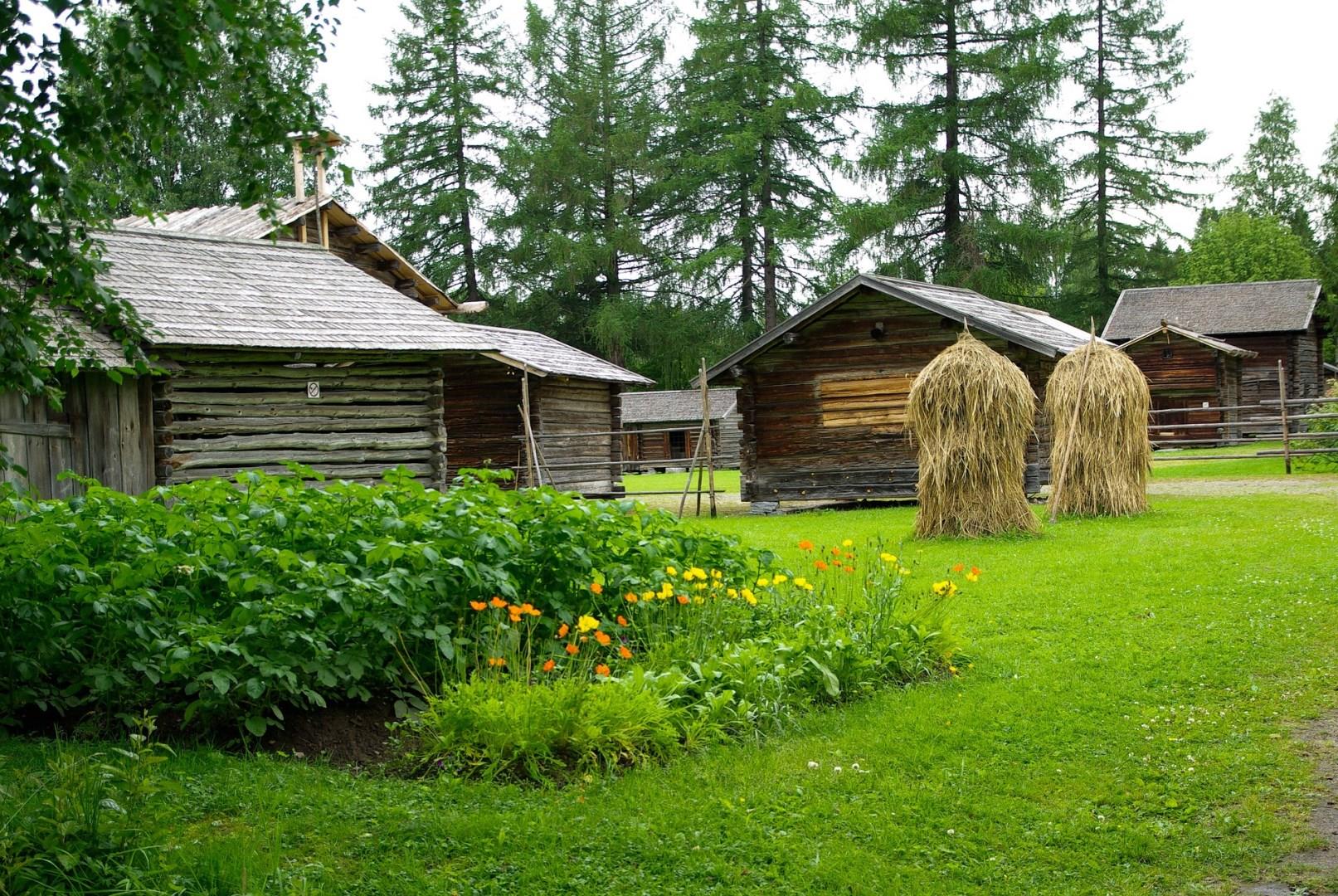
Finland
Finland offers an unforgettable travel experience with its blend of striking contrasts: icy winters and sunlit summer nights, centuries-old traditions and cutting-edge design. In Helsinki, visitors can stroll through the neoclassical Senate Square, stop by the contemporary Amos Rex art museum, and hop on a ferry to Suomenlinna, a UNESCO World Heritage Site built across six islands.

Novi Sad
Novi Sad, Serbia’s second-largest city, sits along the banks of the Danube River and has long served as a cultural meeting point in the Balkans. Its centerpiece is Petrovaradin Fortress, a massive 18th-century stronghold nicknamed the "Gibraltar on the Danube." The fortress is known not just for its historic architecture but also for its network of underground tunnels and the iconic clock tower where the hands are reversed, meaning the large hand shows the hour.

Civitavecchia
This pleasant port town provides a nice, calmer contrast to bustling Rome, so travelers are advised to not simply pass through, but linger and discover more of Civitavecchia. Explore Forte Michelangelo, shop at Corso Centocelle, see the neoclassical Trajan Theatre, and delve into the therapeutic Taurine Baths of Civitavecchia.

Pompeii
Pompeii, Italy, is a mesmerizing time capsule that invites travelers to step back into the world of ancient Rome. Once a thriving city, Pompeii was abruptly buried under volcanic ash and pumice following the catastrophic eruption of Mount Vesuvius in 79 AD. This tragic event preserved the city in remarkable detail, allowing visitors today to walk the cobbled streets and witness a snapshot of Roman life, from grand villas and bathhouses to bakeries and amphitheaters.
