

Liechtenstein
Liechtenstein is located in central Europe and is one of the smallest independent states in the world.

Caye Caulker
Caye Caulker lies off the coast of Belize, a small island that was once a quiet fishing village and today still feels wonderfully uncrowded compared to many Caribbean destinations. Its name likely comes from an English twist on “Hicaco,” the old Spanish name meaning coco plum, a nod to the island’s early days and bilingual roots.
Vienna
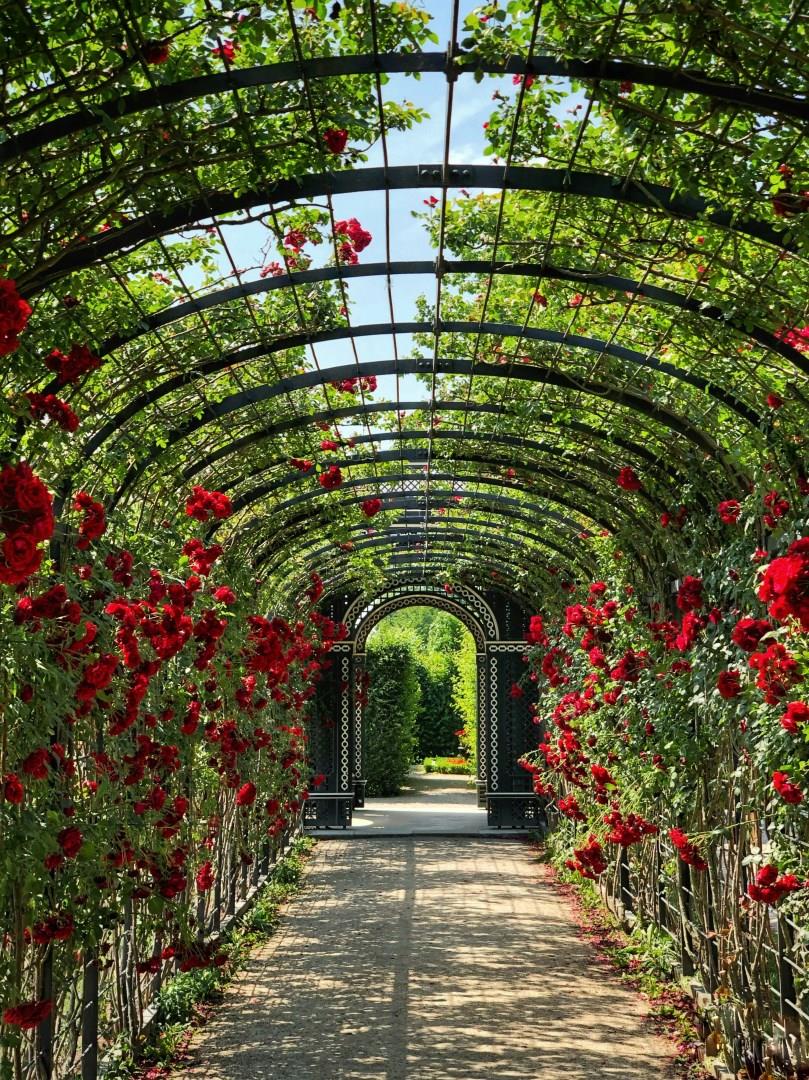
Vienna has a long memory. Once the capital of the Habsburg Empire, the city still carries signs of its imperial past in its palaces, concert halls, and wide boulevards. Visitors can walk through the Hofburg complex, where emperors once ruled, or tour the opulent rooms of Schönbrunn Palace, which features 1,441 rooms and a maze in its gardens. But Vienna’s many historic buildings now house contemporary art museums, cafés, and institutions that reflect the city’s modern identity.
Esztergom
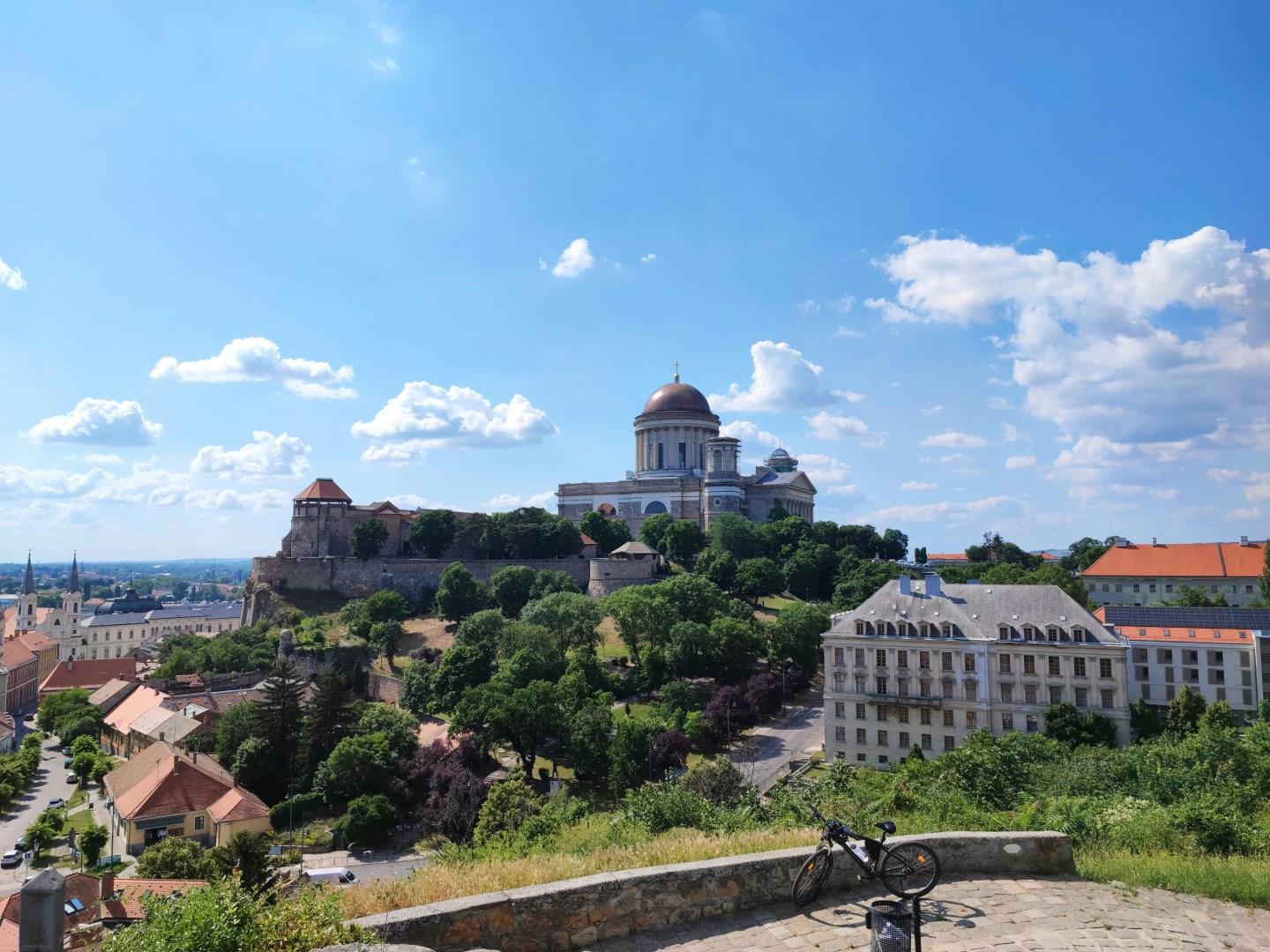
Esztergom is one of Hungary’s oldest and most historically significant towns, located along the Danube River just an hour north of Budapest. It was the country’s royal capital during the Middle Ages and the birthplace of its first king, Saint Stephen. Today, visitors are drawn to the Esztergom Basilica, the largest church in Hungary. Its dome rises over 70 meters high and offers panoramic views of the river, the surrounding hills, and neighboring Slovakia across the Mária Valéria Bridge.
Jackson
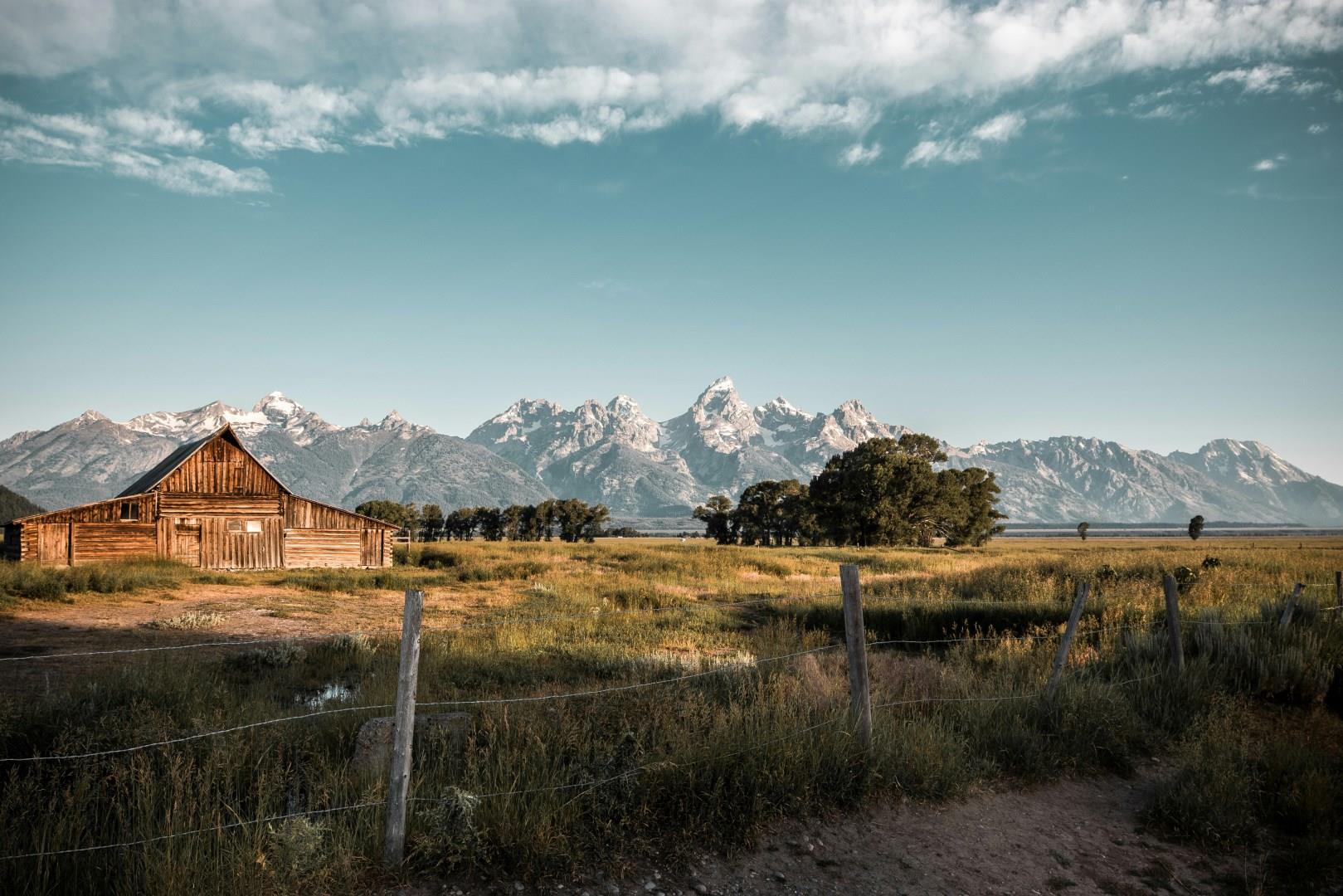
Jackson Hole, Wyoming, is a gateway to the grandeur of the American West, where rugged landscapes meet a rich frontier heritage. Nestled between the Teton Mountain Range and the National Elk Refuge, the town offers visitors a taste of authentic Western life alongside world-class outdoor adventures. The vibrant arts scene in Jackson Hole reflects the area’s creative spirit, with galleries showcasing Western art, wildlife photography, and contemporary pieces.
