

Glacier Bay
Glacier Bay’s untouched beauty will astound you. A National Park and Preserve, as well as a UNESCO World Heritage site, it is covered with stunning tidewater glaciers and a variety of native flora and fauna. Be on the lookout for the variety of eye-catching wildlife, including eagles, moose, and humpback whales, who have made Glacier Bay home.
Grenoble
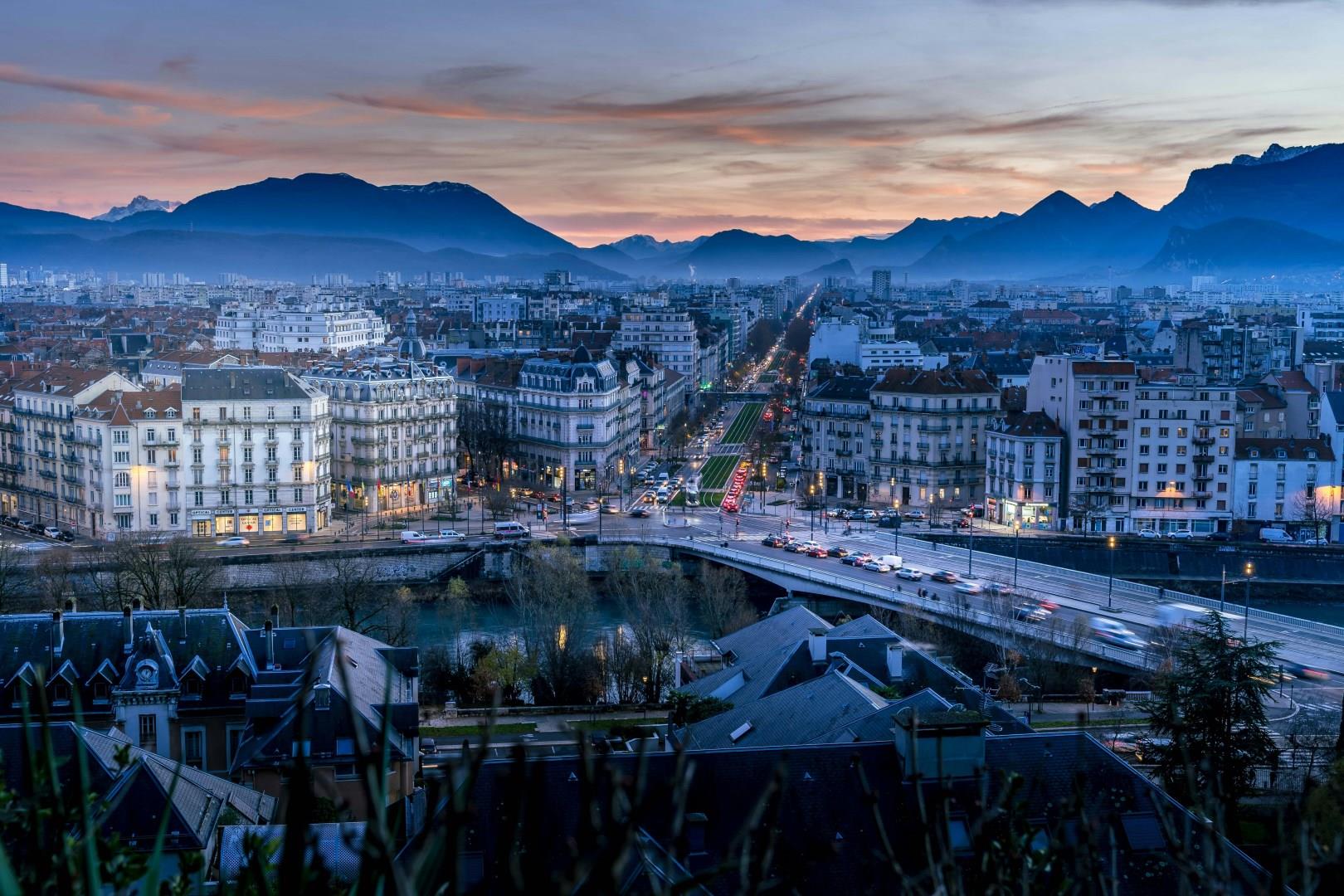
Grenoble sits at the meeting point of three Alpine mountain ranges in southeastern France, giving it a setting that feels both dramatic and lived-in. With origins dating back to Roman times, the city has long been a crossroads of trade, science, and political thought.
Marbella
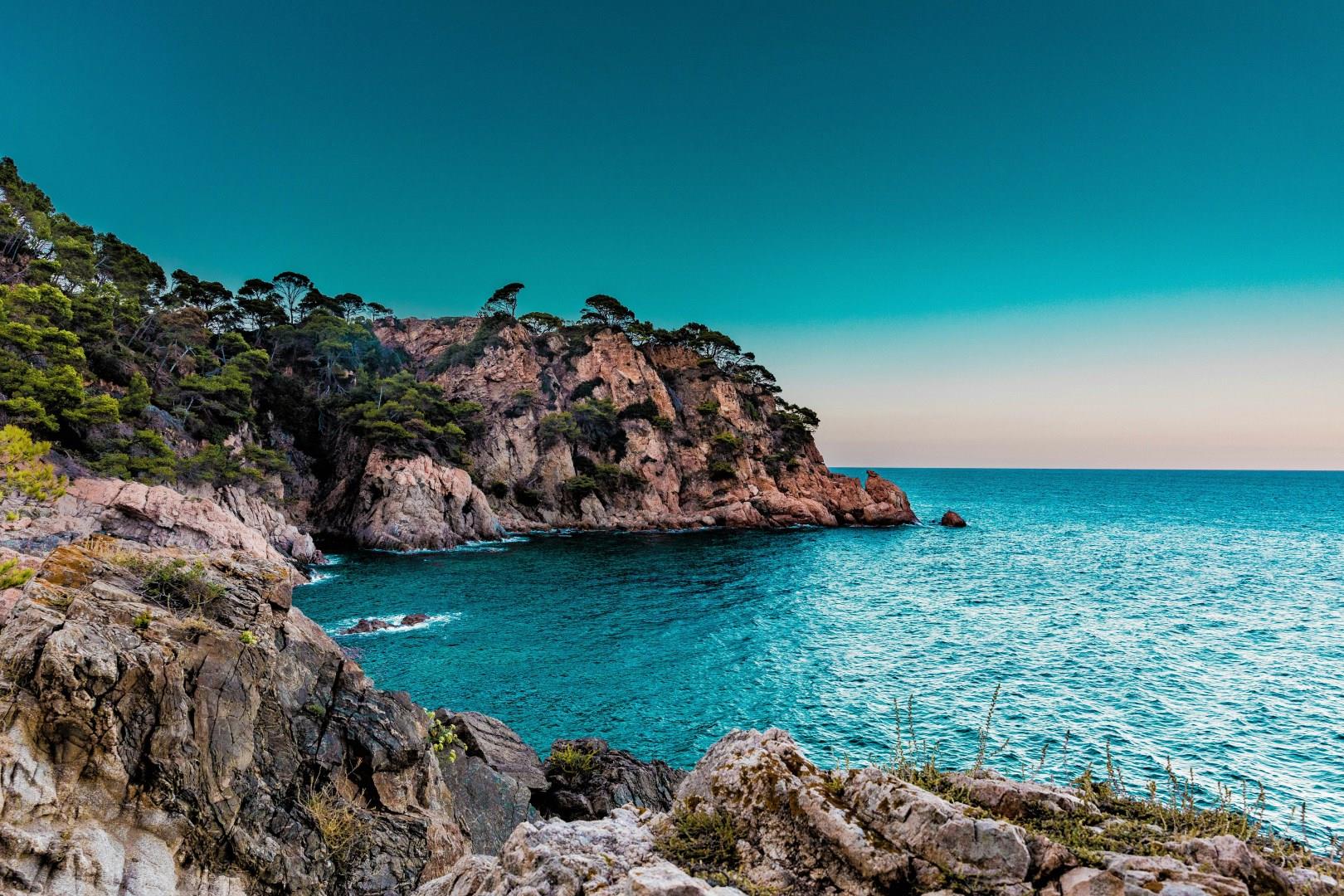
Marbella, located between the Mediterranean Sea and the Sierra Blanca mountains, is often associated with its luxury resorts and famous marina, Puerto Banús. But beyond the polished storefronts and designer yachts, the city has a layered past. Its old town, known as Casco Antiguo, is a well-preserved network of narrow streets built during Moorish rule, with whitewashed buildings, flower-filled balconies, and hidden plazas like Plaza de los Naranjos, which dates back to the 15th century.

Cuba
Cuba is an island nation where history, culture, and natural beauty intertwine in captivating ways. Known for its Spanish colonial architecture, vibrant music, and revolutionary legacy, the country offers a fascinating window into both the Caribbean and Latin American worlds. Havana, with its colorful facades, classic American cars, and lively plazas, embodies Cuba’s charm and resilience, while towns like Trinidad and Cienfuegos showcase UNESCO-listed heritage and a slower pace of life.

Cape Horn
Located off the southern coast of Chile, Cape Horn is a coastal headland on Isla Hornos, the southernmost island in the Tierra del Fuego archipelago. The Cape Horn Monument provides a spectacular panoramic view of the Pacific and Atlantic Oceans. This rocky cliffside is a popular stop for Antarctic and South American cruises.
