

Phoenix
The capital and largest city in Arizona, Phoenix, also known as the "Valley of the Sun", offers warm weather for the winter months, excellent golf and tennis resorts, access to Oak Creek Canyon, Grand Canyon and the desert.

Ajaccio
Located in the vibrant blue waters of the Mediterranean Sea, Ajaccio is the capital of the island of Corsica and a popular resort destination. A port city often frequented by cruise ships and yachts,
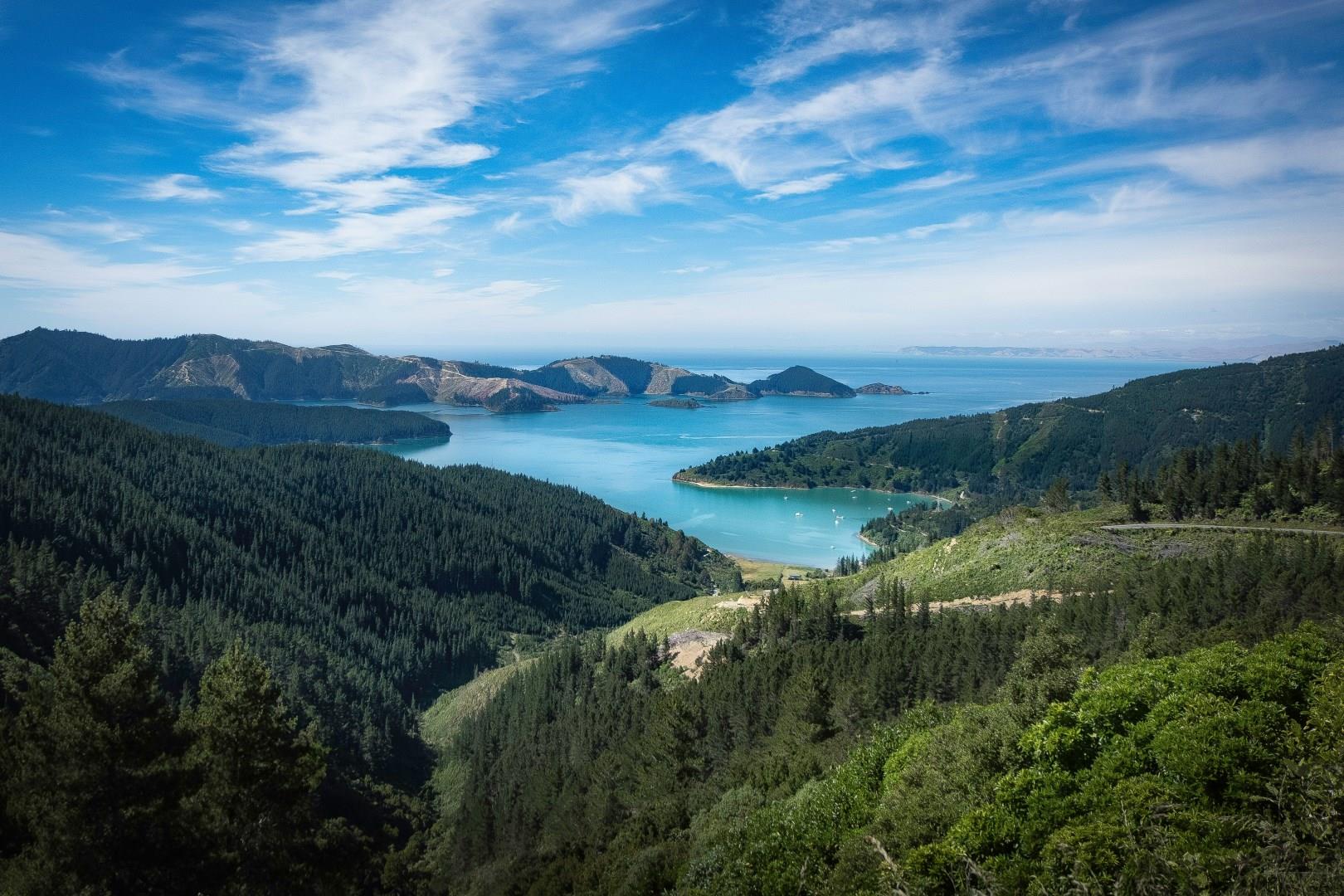
Picton
Picton, located at the head of Queen Charlotte Sound in New Zealand’s Marlborough region, is a charming gateway to the Marlborough Sounds and the South Island. The town is known for its scenic harbor, where ferries connect the North and South Islands, and as a hub for exploring the intricate waterways, bays, and coves that define this coastal region.

New Caledonia
New Caledonia is an archipelago located in the south western part of the Pacific Ocean, and belongs to what is known as Melanesia. The mainland known as the "Grande Terre" is the principal island of New Caledonia and covers an area of 400 kms north to south and 50 kms west to east, with a total surface of 19 000 square meters. It is the third largest island in the South Pacific after New Guinea and New Zealand.
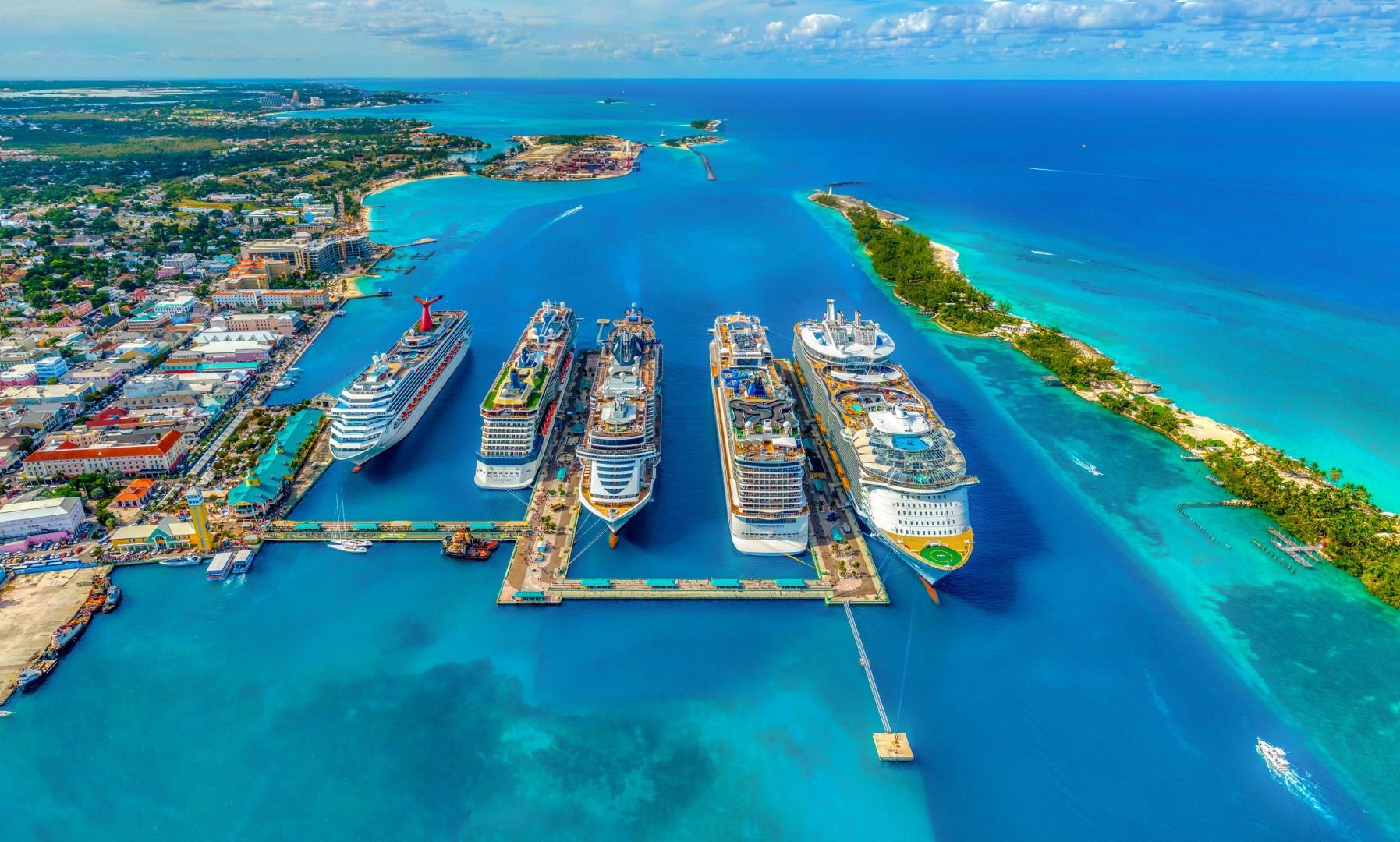
Nassau
Beloved by cruise-goers, Nassau is a stunning Bahamian paradise and an essential destination on many Caribbean cruises. With so much to experience and explore, charming Nassau will easily enchant you on your adventure to the Bahamas! Hit one of Nassau’s many beaches, including Montagu Beach, Goodman’s Bay, and Cable Beach, to soak up some sunshine and relax in warm sands. Take a plunge in the ocean to snorkel or swim with dolphins, sharks, and sting rays.
