
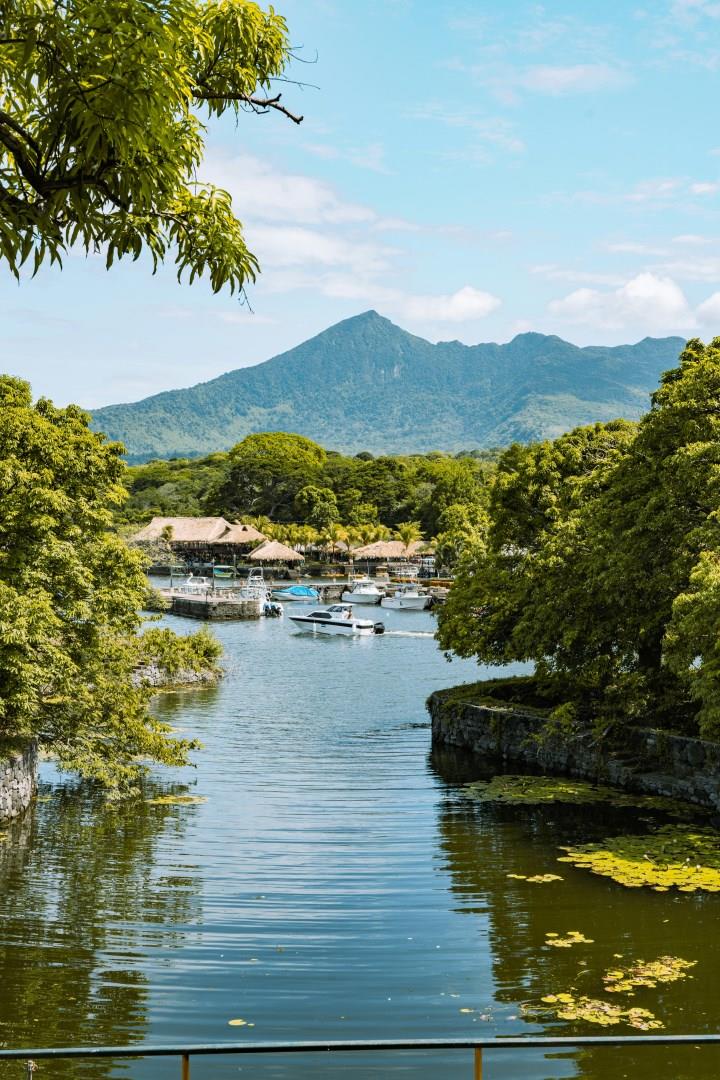
Granada
Granada, Nicaragua, founded in 1524, is one of the oldest European-established cities on the mainland of the Americas where visitors can explore cobblestone streets lined with brightly painted facades. The mustard-yellow Granada Cathedral dominates the central park and provides an easy reference point for those navigating the city on foot or by traditional horse-drawn carriage.

Dominica
Dominica, known as the “Nature Island of the Caribbean,” is a haven for eco-tourists and adventure seekers. Nestled between the French islands of Guadeloupe and Martinique, this lush island boasts a remarkable landscape of volcanic mountains, dense rainforests, and stunning waterfalls. Dominica’s most iconic natural wonder is the Boiling Lake, the second-largest hot spring in the world.

Nakuru
Nestled in Kenya's Rift Valley, Nakuru is a city that captivates with its stunning natural beauty and vibrant wildlife. The city is renowned for Lake Nakuru National Park, a UNESCO World Heritage Site known for its extraordinary flocks of flamingos that once numbered in the millions. Although flamingo populations fluctuate, the lake remains a sanctuary for other bird species and wildlife, including black and white rhinos, giraffes, and lions.
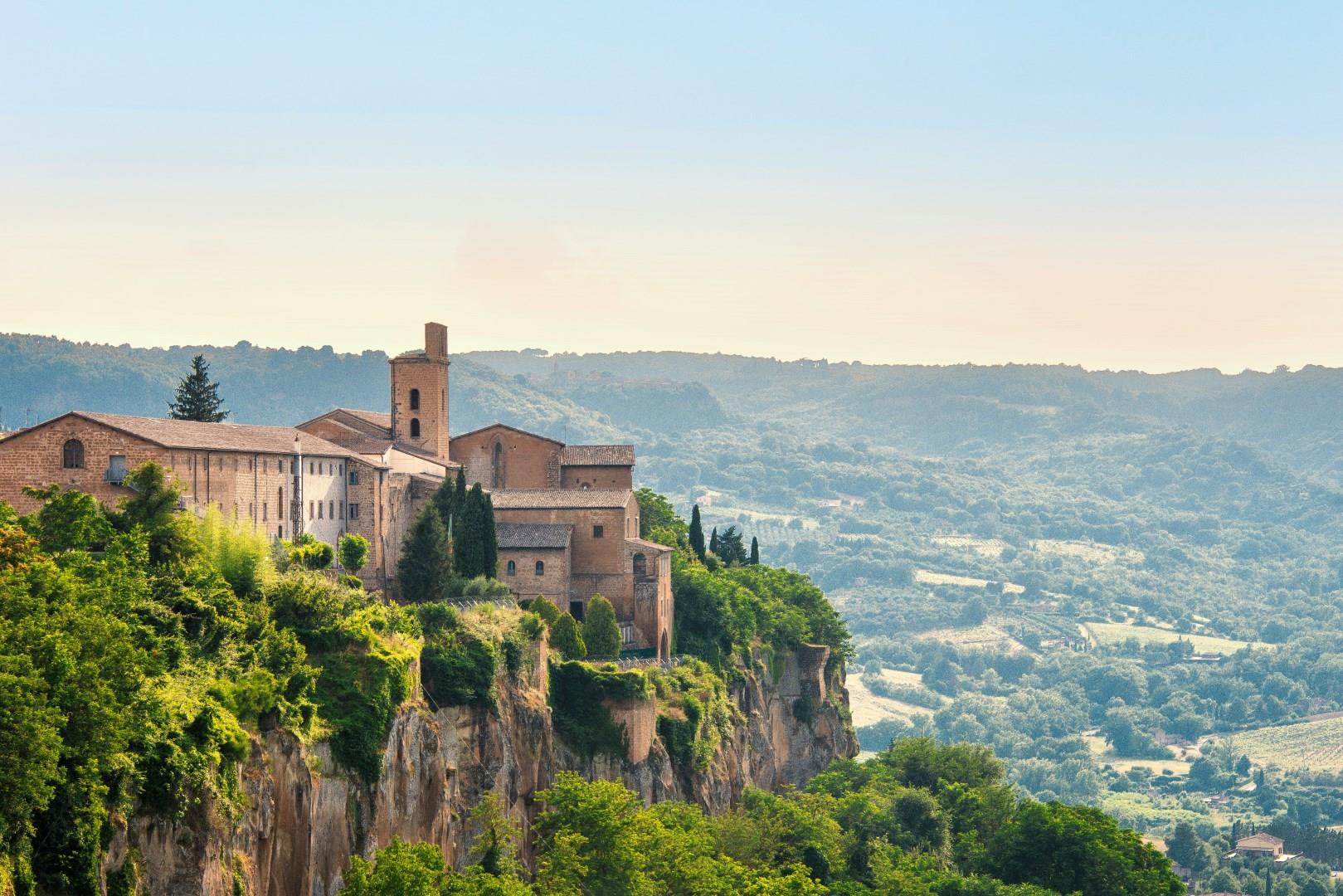
Orvieto
Orvieto, perched atop a volcanic tuff cliff in Umbria, Italy, is a town that effortlessly combines history, art, and striking landscapes. Its dramatic position overlooking the surrounding countryside immediately captures attention.
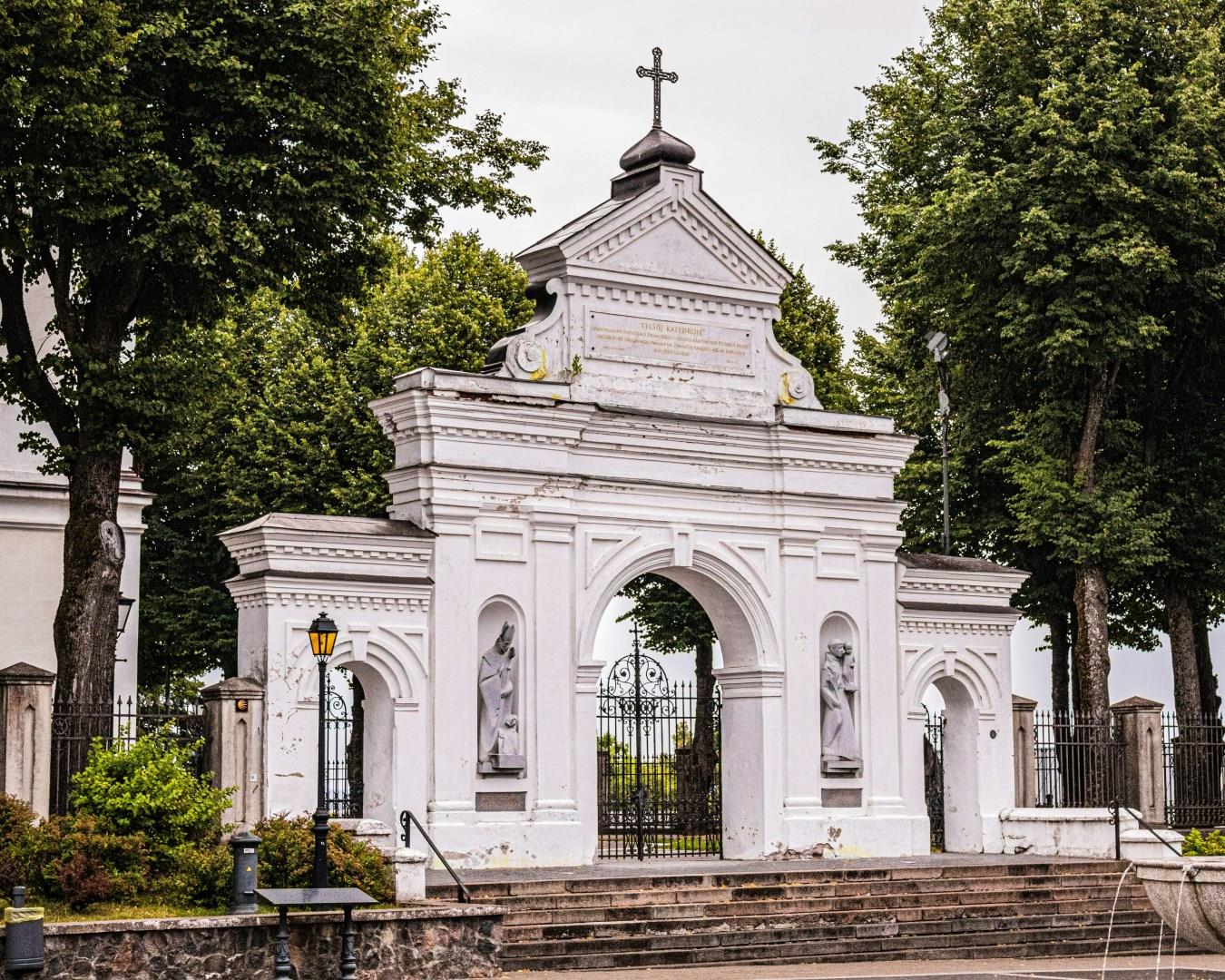
Telšiai
Telšiai, often called the capital of Lithuania’s Samogitia region, offers visitors a deep dive into a unique cultural heritage paired with striking natural settings. The town is set on the shores of Lake Mastis, where the reflections of historic buildings and lush forests create a calm and inviting atmosphere. Telšiai’s old market square bustles with life and is home to some of the town’s most notable landmarks, including the Neo-Gothic St. Anthony of Padua Cathedral.
