
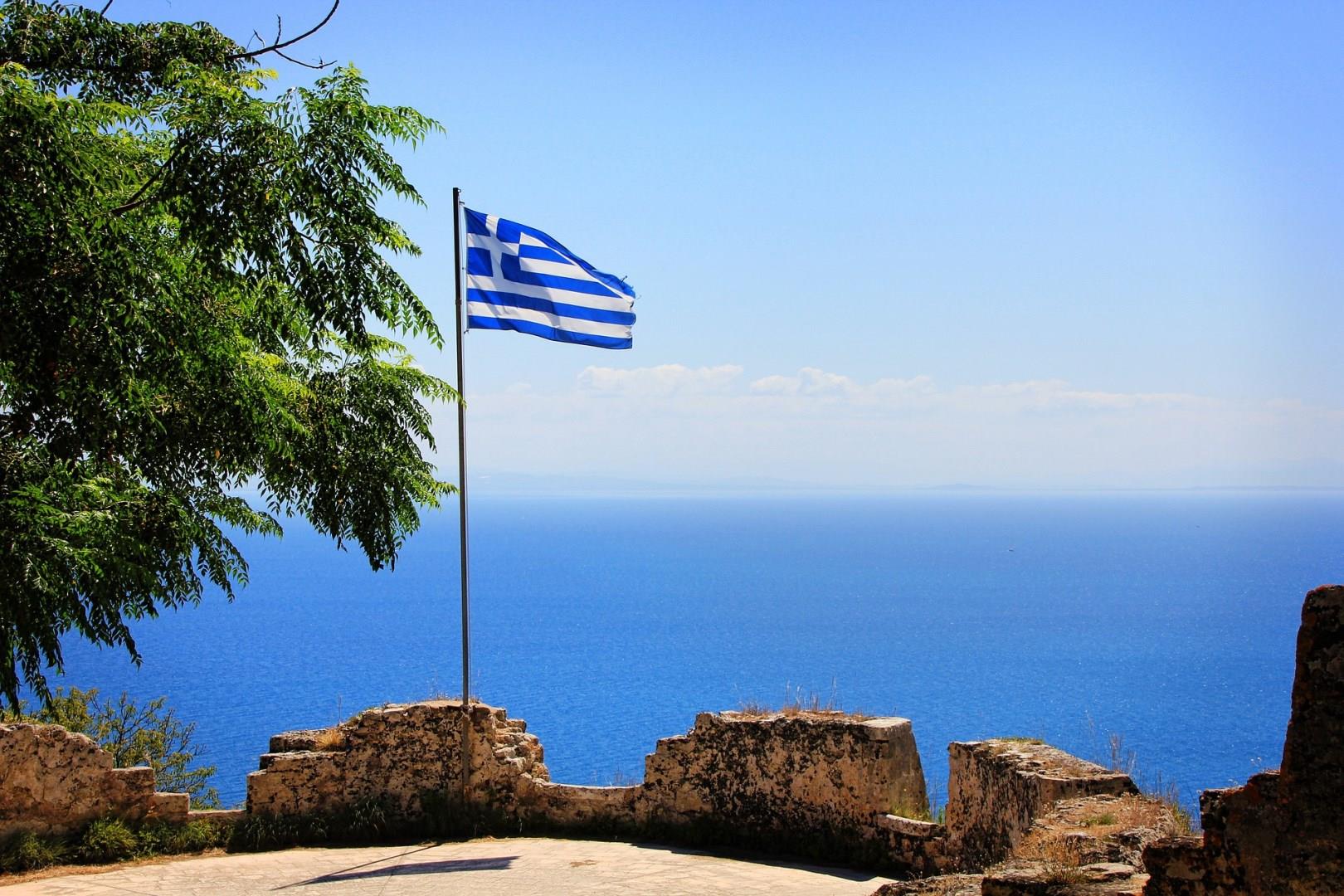
Greece
Greece is a country where layers of history sit side by side with everyday life. In Athens, visitors can stand at the foot of the Acropolis and look up at the Parthenon, built more than 2,400 years ago, then walk a few blocks to modern cafes buzzing with conversation and music. The city’s neighborhoods, like Plaka and Monastiraki, offer both ancient ruins and small family-run shops selling handmade sandals and olive oil soap.

Southampton
Southampton is a city shaped by the sea. Located on the southern coast of England, it has been a key maritime port for centuries. In 1912, the RMS Titanic set sail from its docks, and today, the SeaCity Museum tells the story through the lives of local residents connected to the voyage. The medieval city walls, which are some of the best-preserved in England, still stand, offering a walk through time with views of old merchant houses, towers, and hidden vaults once used to store wine and wool.

Istanbul
Istanbul is a city built on layers of empire. Spanning two continents, it was once the capital of three major empires: Roman, Byzantine, and Ottoman. Visitors walking through the Sultanahmet district can witness this timeline firsthand, from the Roman-era Hippodrome to the Byzantine mosaics of Hagia Sophia, and the towering minarets of the Blue Mosque. At nearby Topkapi Palace, rooms still display the jeweled swords, ceremonial robes, and handwritten Qurans once used by Ottoman sultans.

Basel
Basel is the global center of the pharmaceutical industry, but most travelers visit for the world-famous ART Basel festival, as well as the numerous art galleries, iconic architecture and museums.

Linz
Midway between Salzburg and Vienna, Linz boasts beautiful Baroque buildings, including Old Town Hall and the Old Cathedral, Alter Dom.
