

Watamu
Watamu, located on Kenya’s picturesque coast, is a paradise for beach lovers and nature enthusiasts alike. Renowned for its pristine white-sand beaches and turquoise waters, Watamu is part of the Watamu Marine National Park, a protected area known for its vibrant coral reefs and rich marine biodiversity. The park is a haven for snorkeling and diving, with opportunities to see colorful fish, sea turtles, and even dolphins.

Turks and Caicos Islands
The Turks and Caicos Islands, a British Overseas Territory in the Atlantic, are celebrated for their luminous turquoise waters and powder-soft beaches. Grace Bay on Providenciales is the most famous stretch of sand, consistently ranked among the world’s best, where calm seas and vibrant reefs invite both relaxation and adventure.

Dominica
Dominica, known as the “Nature Island of the Caribbean,” is a haven for eco-tourists and adventure seekers. Nestled between the French islands of Guadeloupe and Martinique, this lush island boasts a remarkable landscape of volcanic mountains, dense rainforests, and stunning waterfalls. Dominica’s most iconic natural wonder is the Boiling Lake, the second-largest hot spring in the world.

Aberdeen
ABERDEEN -- Scotland's third-largest city (pop. 187,000) is characterized by buildings of beautiful white granite. Set beside the North Sea, Aberdeen is both a university town and the capital of the Scottish oil boom. It is also one of Scotland's largest seaside resorts (though its appeal is confined to those who like their water well-chilled).
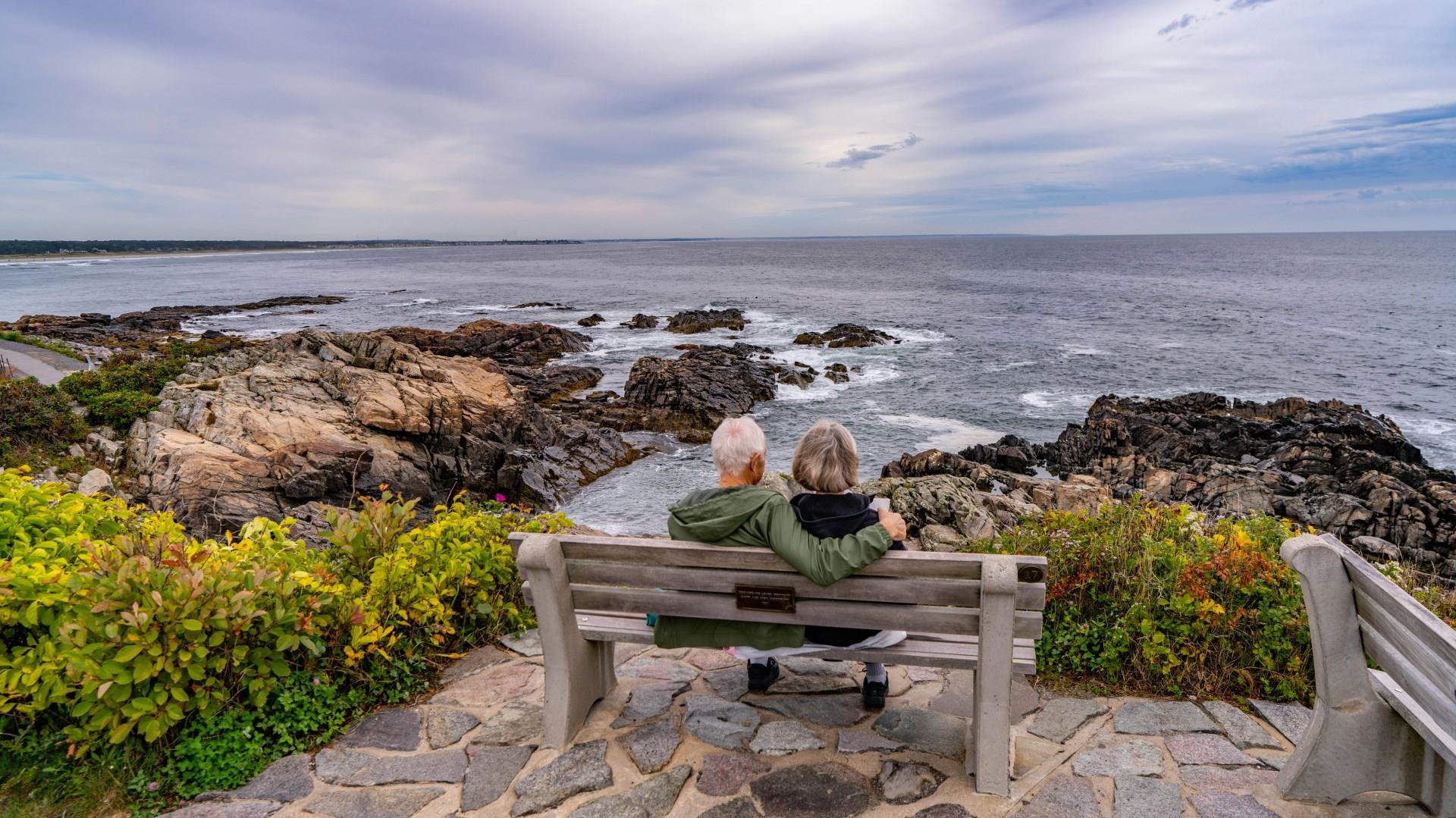
Ogunquit
Ogunquit is a beautiful place by the sea. Offering quaint New England flavor of the Village Center, Ogunquit is a bustling holiday haven to visitors from all over the world. Ogunquit today remains a tranquil, small village that continues to offer almost everything to almost everyone as perhaps nowhere else in the country can.
