

Djúpivogur
Djúpivogur, a charming coastal village on Iceland’s eastern fjords, offers travelers an authentic and serene Icelandic experience. Nestled between majestic mountains and the tranquil Berufjörður fjord, this small fishing town is steeped in history and natural beauty. Its picturesque harbor, where colorful boats bob against a backdrop of rugged cliffs, is the heart of the town.

Viñales
Nestled in the lush landscapes of western Cuba, Viñales offers an enchanting escape into a world where time seems to slow down amidst breathtaking natural beauty. Renowned for its striking limestone formations, known as mogotes, the Viñales Valley is a UNESCO World Heritage Site and a paradise for nature enthusiasts. The valley's dramatic scenery provides an ideal backdrop for hiking, horseback riding, and exploring underground caves like the Cueva del Indio.

New Caledonia
New Caledonia is an archipelago located in the south western part of the Pacific Ocean, and belongs to what is known as Melanesia. The mainland known as the "Grande Terre" is the principal island of New Caledonia and covers an area of 400 kms north to south and 50 kms west to east, with a total surface of 19 000 square meters. It is the third largest island in the South Pacific after New Guinea and New Zealand.
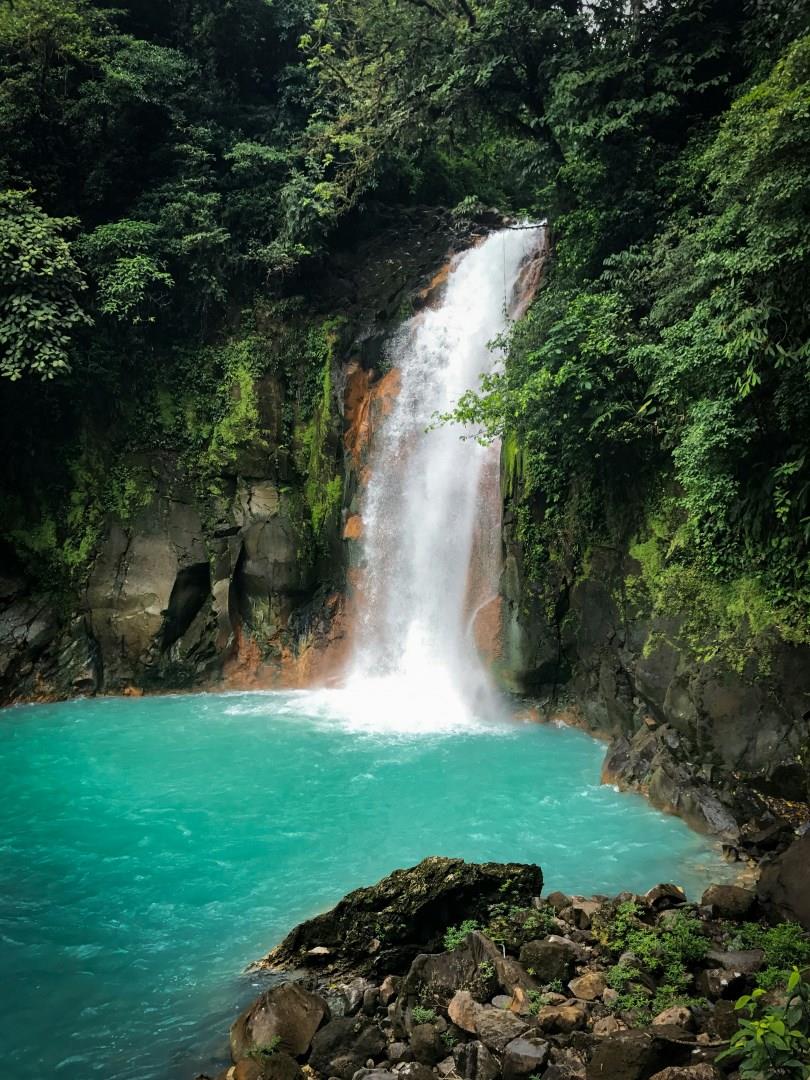
Celeste River
Hidden in the northern region of Costa Rica, the Celeste River (Río Celeste) winds through Tenorio Volcano National Park with a color so vivid it seems unreal. The river’s striking turquoise hue is caused by a natural chemical reaction between two mineral-rich streams, Quebrada Agria and Río Buena Vista, which merge at a point known as "El Teñidero." This one-of-a-kind phenomenon creates the illusion that the water has been dyed blue, even though no pigments are present.

Qaqortoq
The largest town in South Greenland, Qaqortoq is known for its colorful houses and vibrant art scene.
