
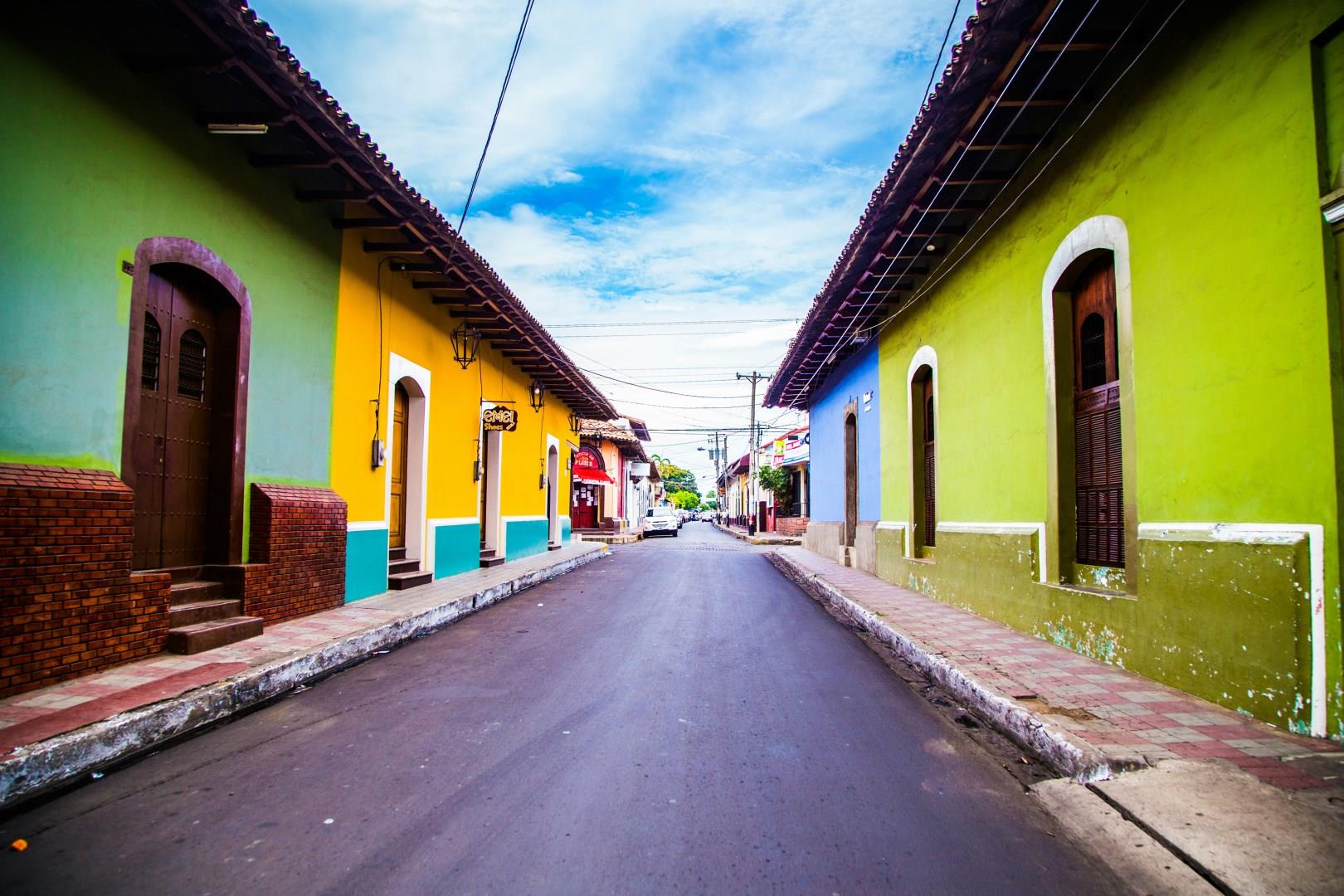
Leon
León, Nicaragua serves as the country’s capital for more than two centuries and still feels like the intellectual and political heart of Nicaragua. The city is known for its revolutionary past, visible in murals that stretch across building walls, telling stories of resistance, poets, and everyday citizens. The Cathedral of León, the largest in Central America and a UNESCO World Heritage Site, dominates the central square.

Seattle
Seattle is a city shaped by water, mountains, and innovation. Its skyline, dominated by the Space Needle, tells only part of the story. Beneath it lies a vibrant mix of neighborhoods, each with its own character. Seattle was the birthplace of grunge music and remains a stronghold for independent arts. The Museum of Pop Culture (MoPOP), located at the Seattle Center, celebrates the city’s creative spirit with exhibits on everything from Nirvana and Jimi Hendrix to science fiction and gaming.

Qatar
Qatar invites discovery through both its modern ambition and traces of its desert heritage. In Doha, the Museum of Islamic Art, designed by I. M. Pei, rises over the waterfront to display centuries of calligraphy, ceramics, textiles, and metalwork. Nearby, the National Museum of Qatar presents the nation's story through exhibits and architecture shaped like the desert rose. Each space offers both insight and reflection.

Grundarfjörður
Situated on the north coast of the Snæfellsnes peninsula between a mountain range and the sea is the small town of Grundarfjordur, Iceland. Though certainly now the most well-known town on the peninsula, its nearby mountain Kirkjufell ("church mountain" in Icelandic) is perhaps Iceland's most famous.

Española Island
Española Island lies in the southeastern part of the Galápagos archipelago. Highlights of this tropical paradise include Punta Suarez, a popular scenic point for bird watching, and the beaches of Bahía Gardner on the island's north coast.
