
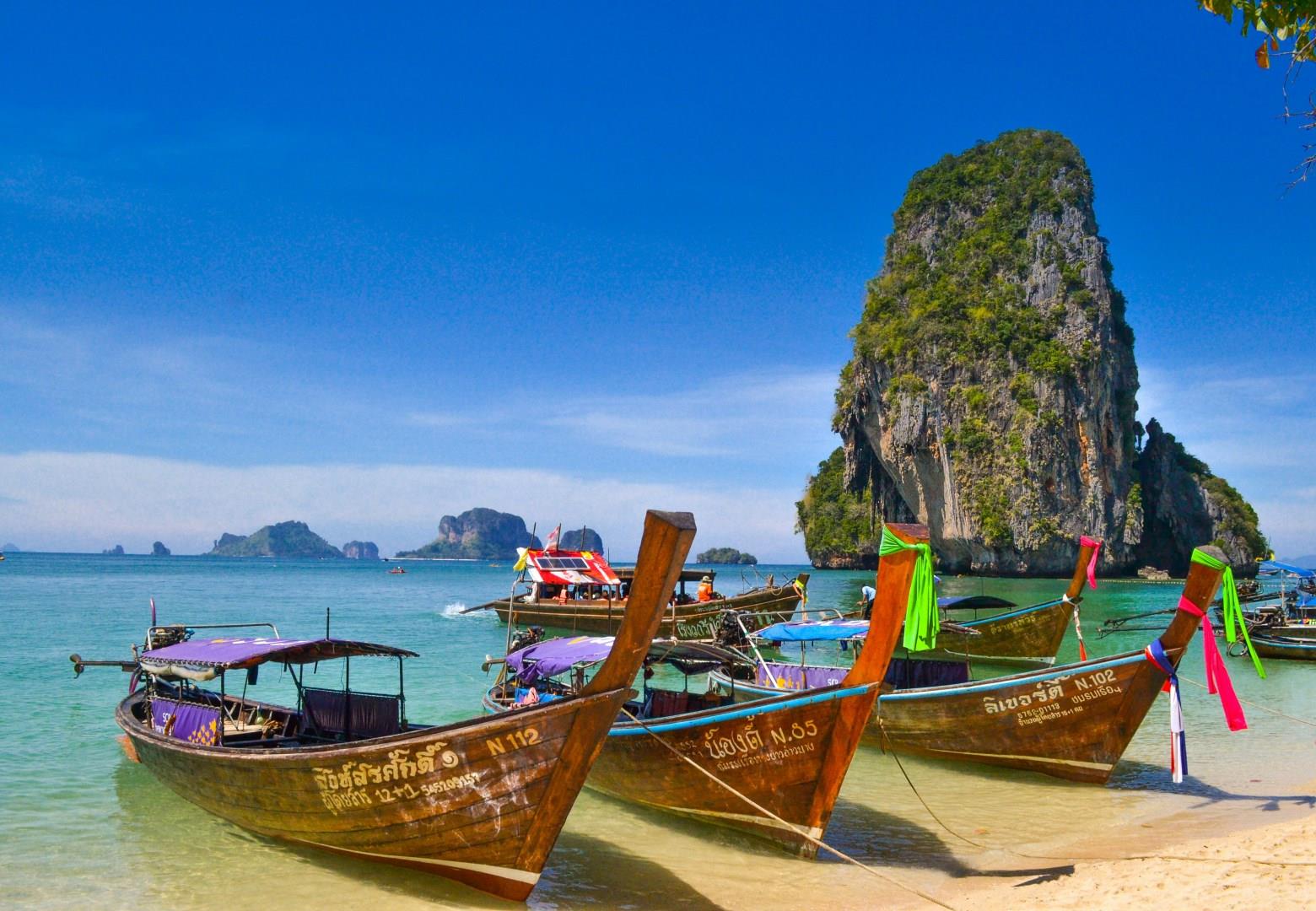
Krabi
Krabi, located on the southwest coast of Thailand, is known for its towering limestone cliffs, warm Andaman waters, and a coastline dotted with over 150 islands. One of its most iconic sites is Railay Beach, which is accessible only by boat due to the cliffs that cut it off from the mainland. Railay is famous among rock climbers for its natural limestone formations, some of which hang directly over the sea.
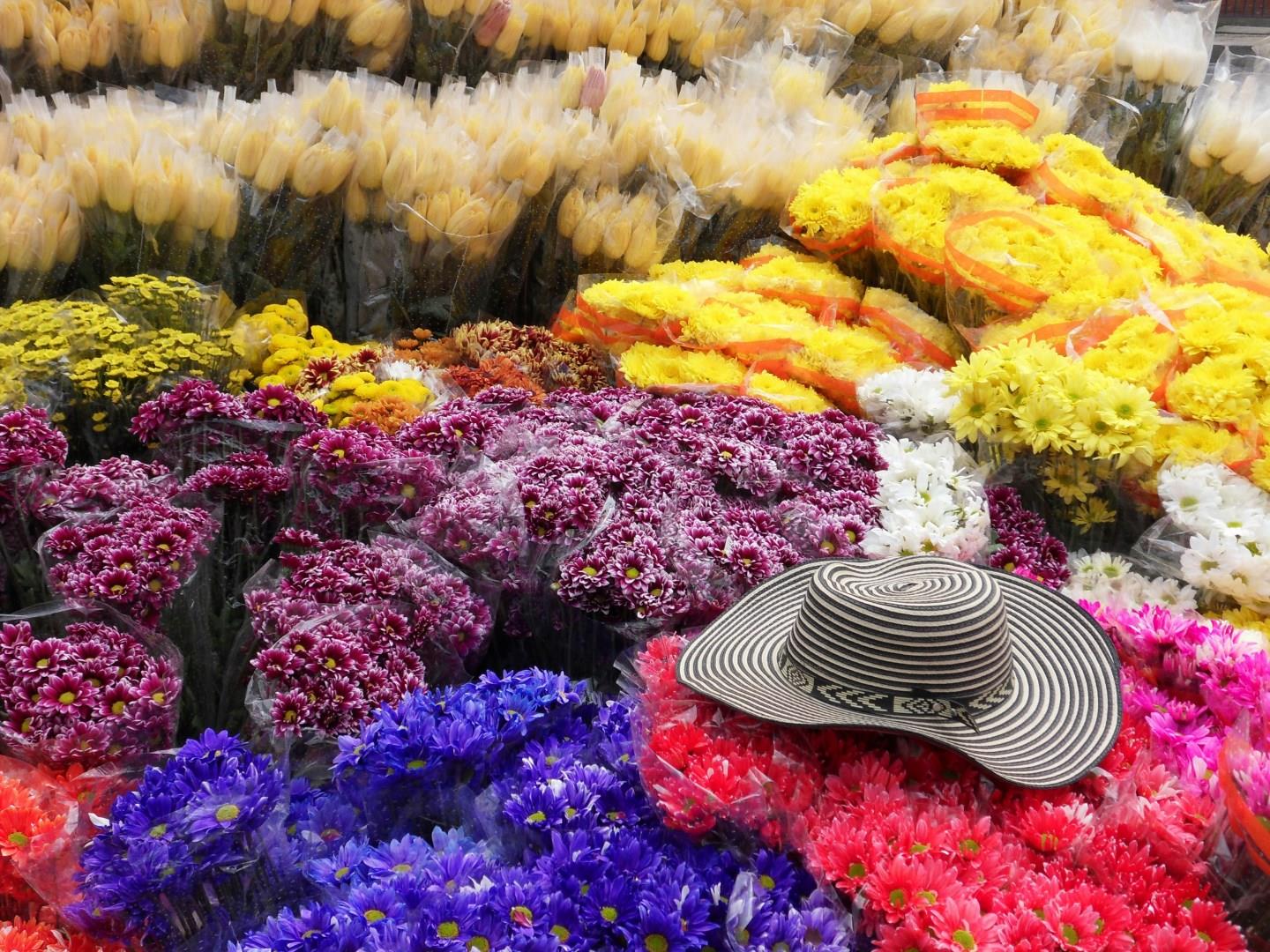
Bogota
Bogotá, the vibrant capital of Colombia, sits high in the Andes at 2,640 meters above sea level. The city balances historic charm with modern energy, where cobblestone streets meet bold street art and colonial churches stand beside sleek galleries and cafes. At the heart of it all is La Candelaria, Bogotá’s oldest neighborhood, where travelers can visit centuries-old buildings, including the neoclassical Capitol and the richly decorated Gold Museum.

Trondheim
Nestled along the Trondheim Fjord in central Norway, Trondheim offers a captivating blend of rich history and vibrant modern life. As Norway’s first capital, Trondheim boasts a legacy that includes the striking Nidaros Cathedral, an iconic landmark whose construction began in the 11th century.
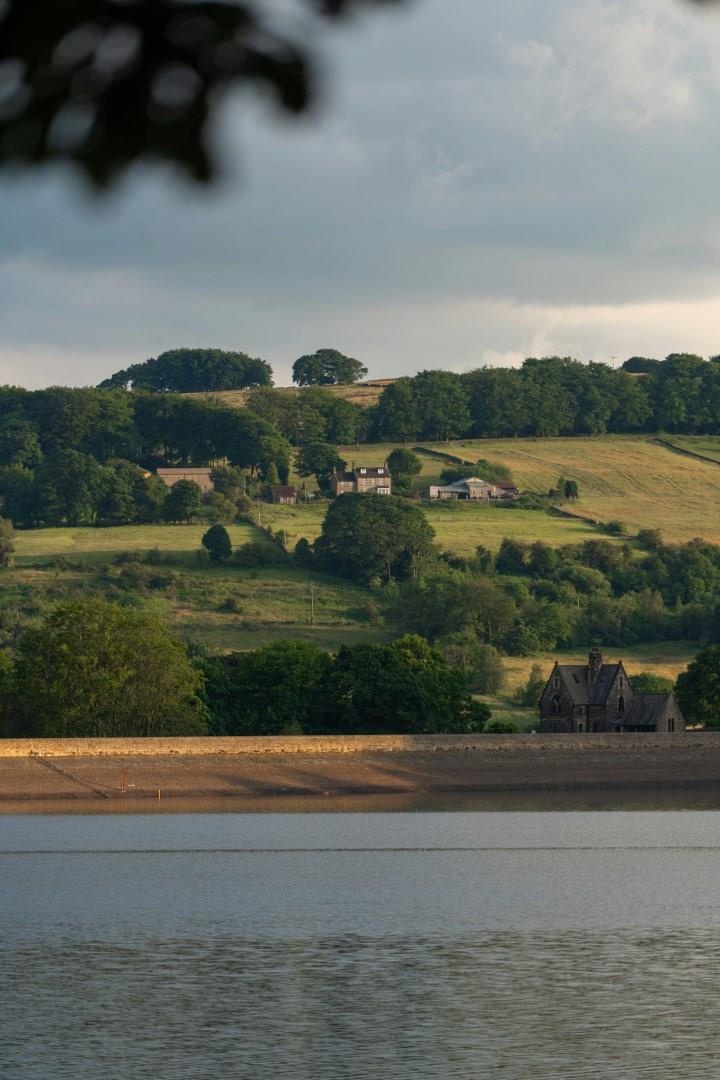
Sheffield
Sheffield, once the global heart of the steel industry, has evolved into a city where industrial heritage meets green landscapes and a growing creative scene. Known historically for innovations like stainless steel, Sheffield still celebrates its roots at sites like the Kelham Island Museum, where restored machinery and interactive exhibits tell the story of the city’s engineering legacy.
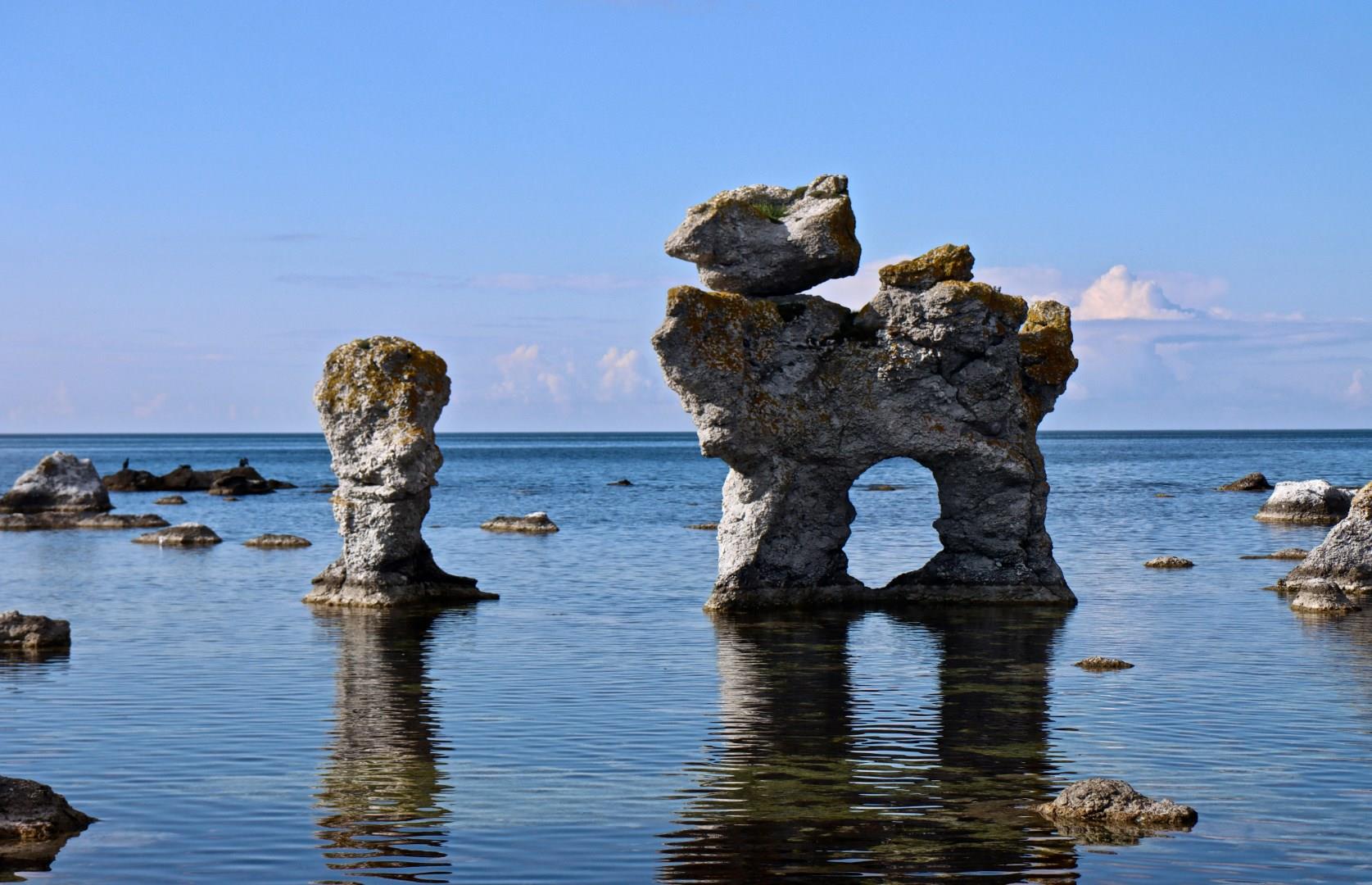
Gotland
Gotland, Sweden’s largest island, sits in the Baltic Sea and feels like a world of its own. Its main town, Visby, is a UNESCO World Heritage site and one of the best-preserved medieval towns in Northern Europe. Surrounded by a 3.5-kilometer stone wall with original towers still intact, Visby once served as a key Hanseatic trading hub. Visitors can walk along cobbled streets lined with rose-covered cottages, explore Gothic church ruins, and climb up the city wall for views over the harbor.
