
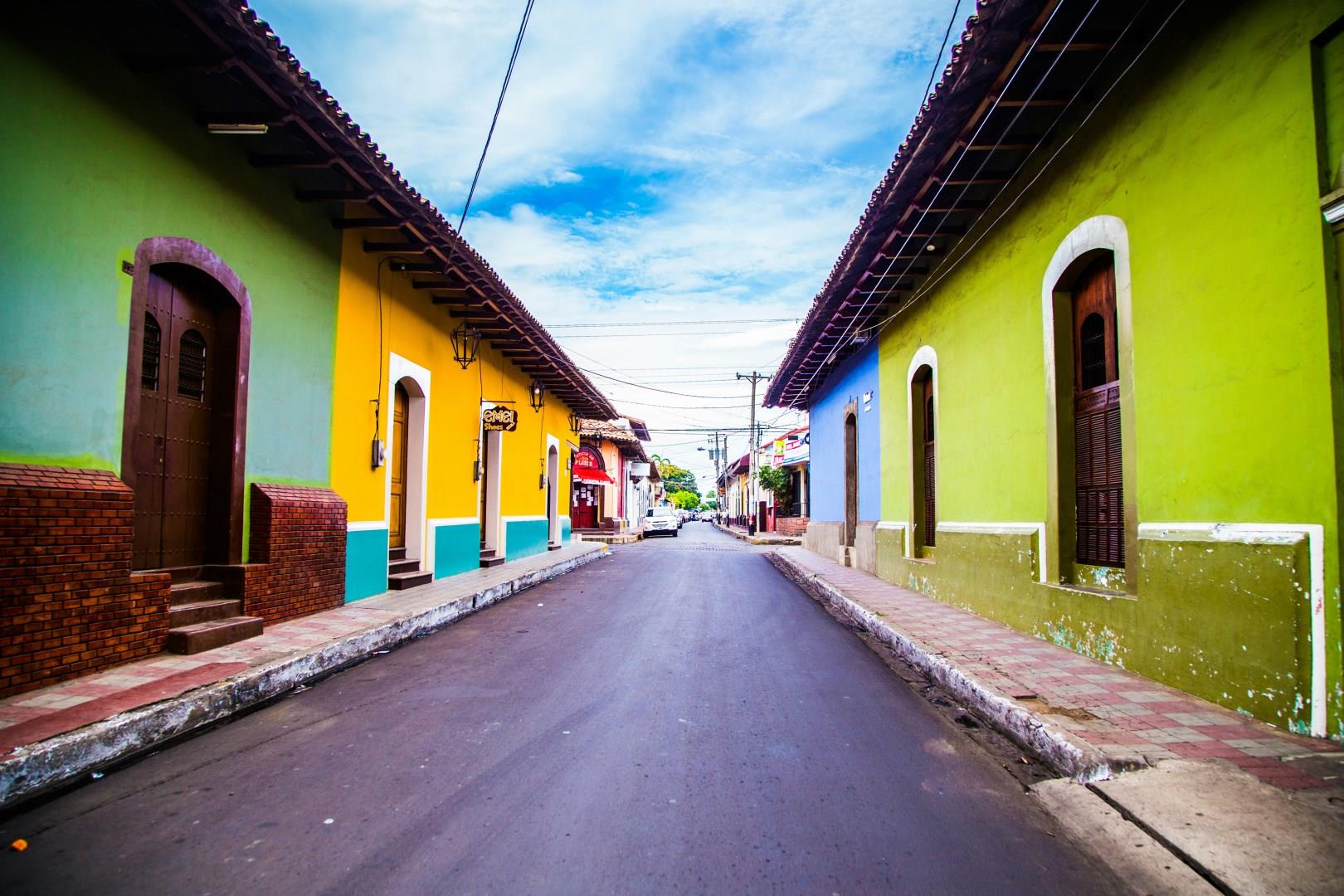
Leon
León, Nicaragua serves as the country’s capital for more than two centuries and still feels like the intellectual and political heart of Nicaragua. The city is known for its revolutionary past, visible in murals that stretch across building walls, telling stories of resistance, poets, and everyday citizens. The Cathedral of León, the largest in Central America and a UNESCO World Heritage Site, dominates the central square.

Taha'a
Sharing a common lagoon with Raiatean and accessible only by boat, Taha'a produces about 80% of all vanilla in French Polynesia. Taha'a is the only island in the Society Islands that can be completely circled by boat inside the protected lagoon.
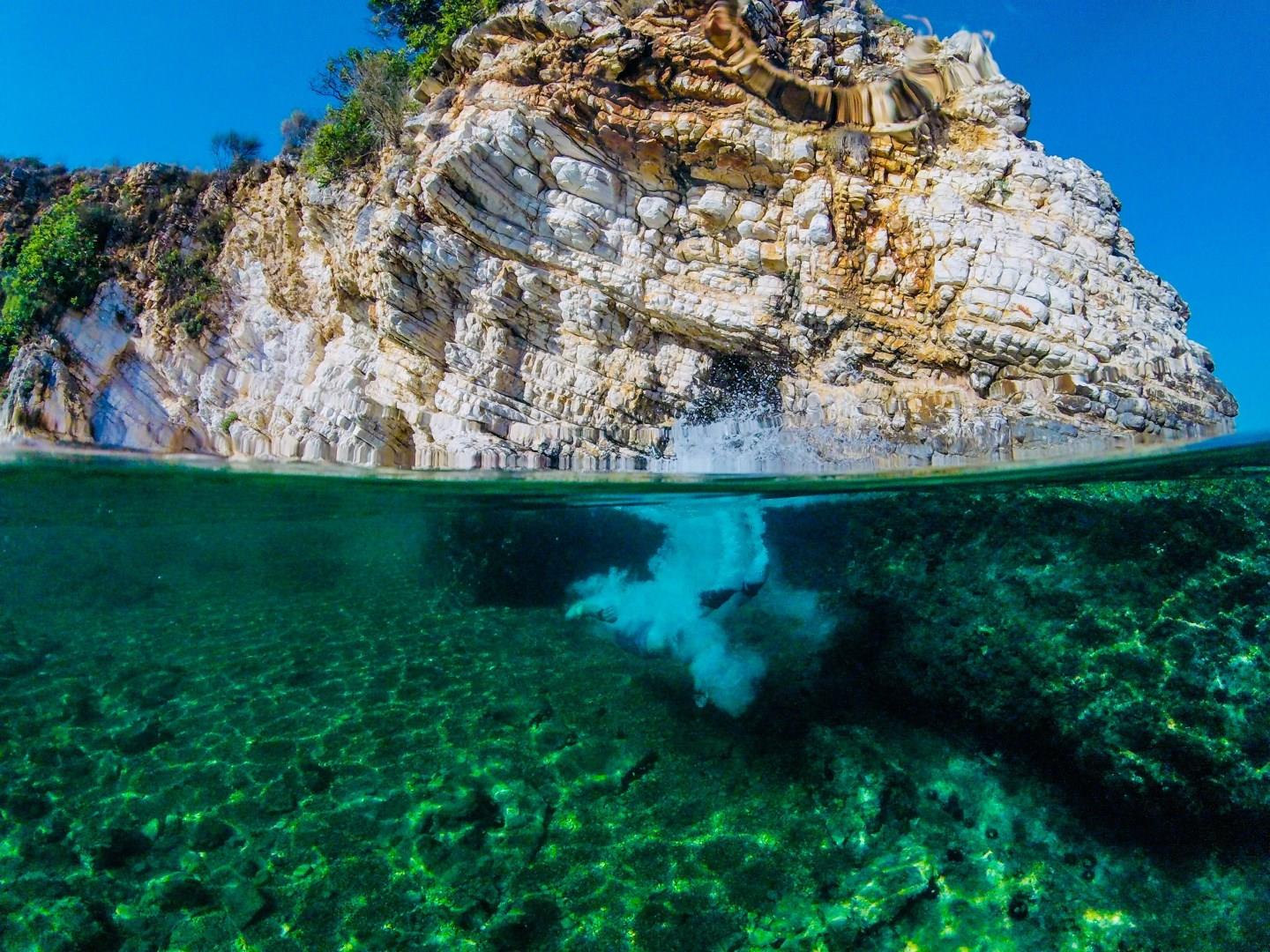
Saranda
Saranda, a coastal town in southern Albania, is a hidden gem with stunning beaches and crystal-clear waters. The town's vibrant promenade is lined with cafes, restaurants, and shops. Saranda is known for its mild Mediterranean climate, making it a year-round destination for those looking to escape colder weather. During the summer months, Saranda's population multiplies several times.
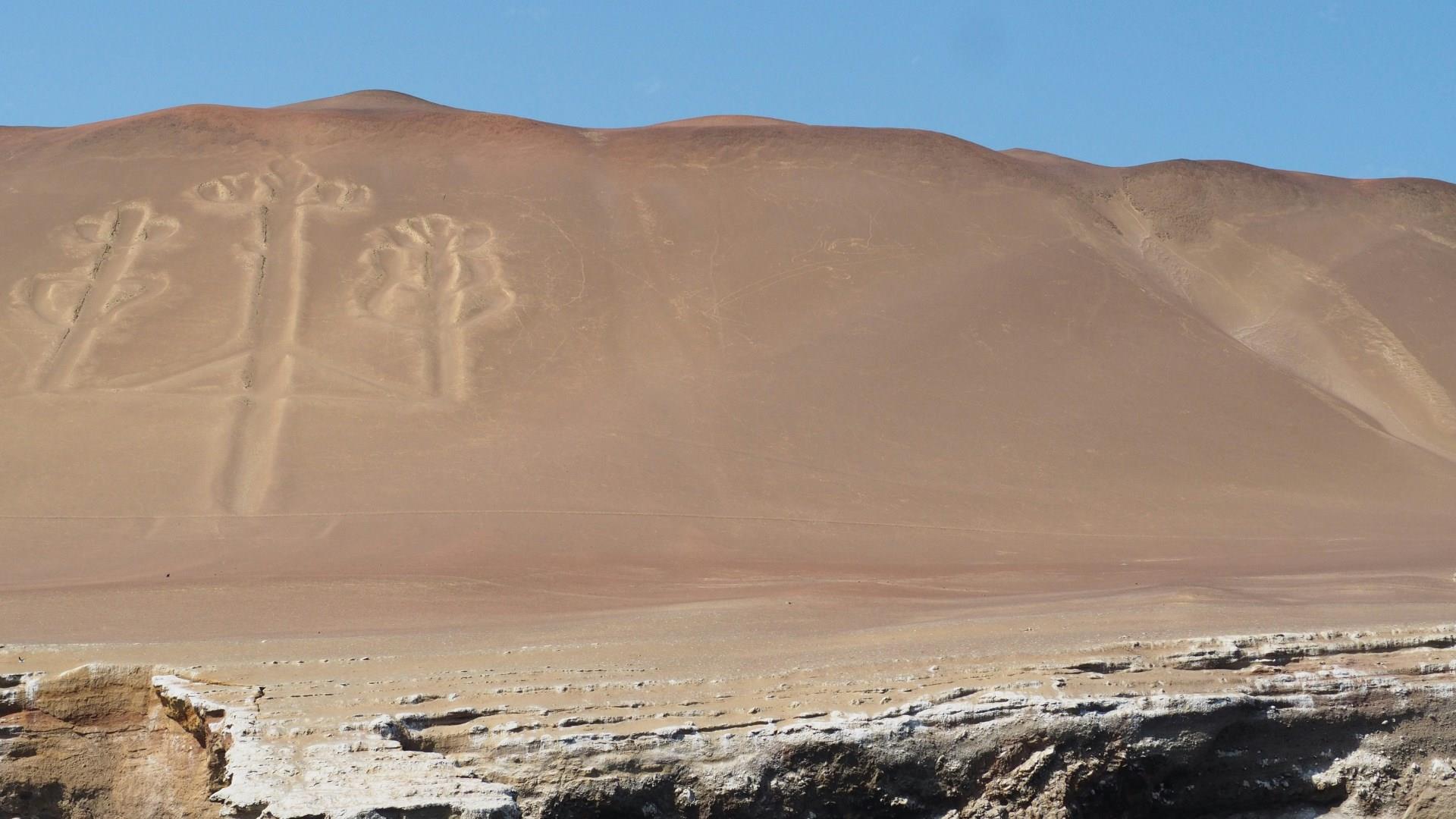
Paracas
Paracas, a small coastal town in southern Peru, offers a mix of desert landscapes, marine wildlife, and ancient history. Just three hours from Lima, it’s the gateway to the Paracas National Reserve, one of the country’s most important protected areas. This reserve includes both land and sea, making it home to dramatic cliffs, wind-carved rock formations, and waters where dolphins, sea lions, and Humboldt penguins are frequently seen.
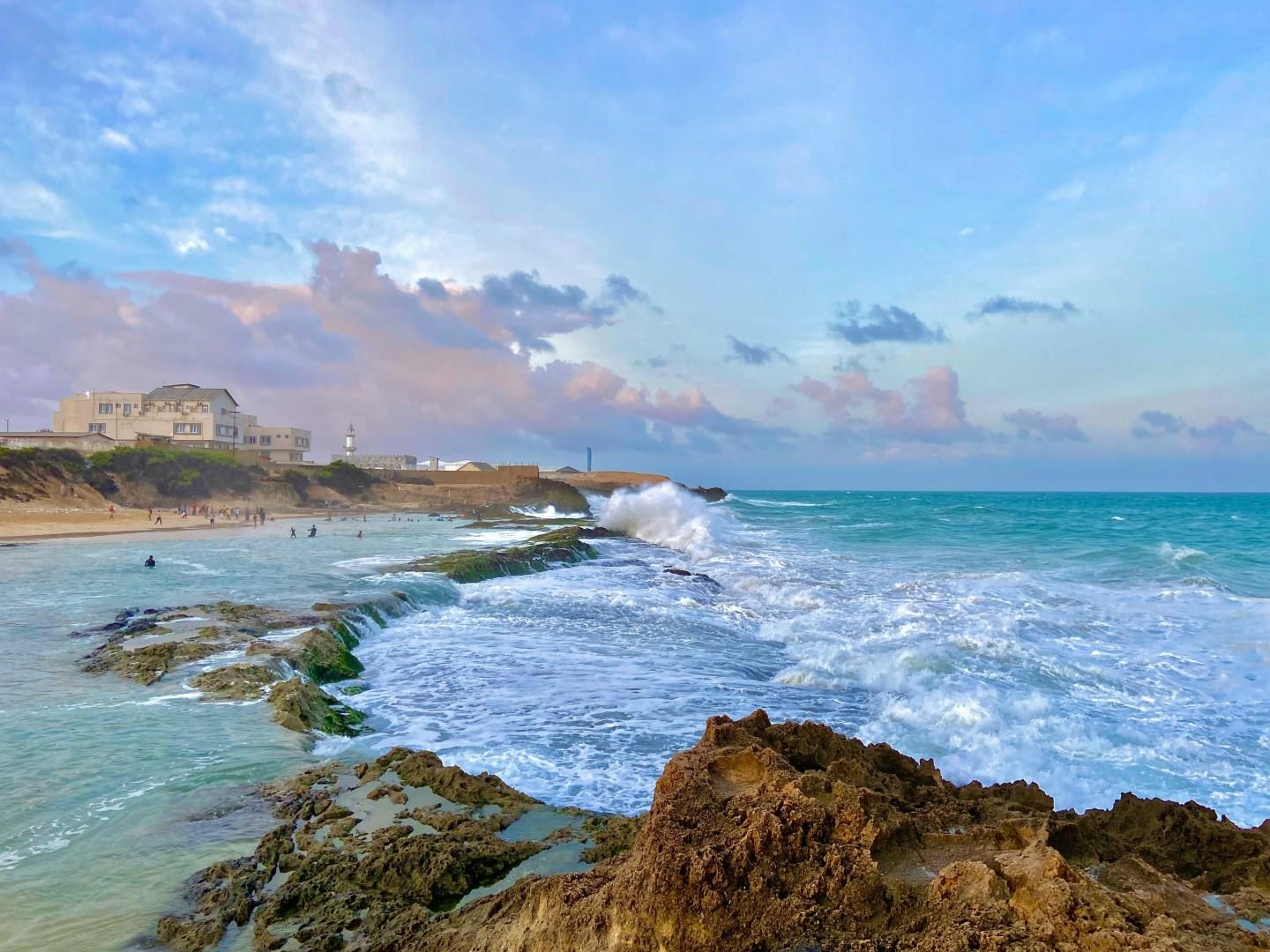
Somalia
Somalia, located on the Horn of Africa, is a land defined by its coastline, culture, and long history as a crossroads of trade. With the Indian Ocean and Gulf of Aden shaping much of its identity, Somalia has one of the longest coastlines in Africa, stretching over 1,800 miles.
