
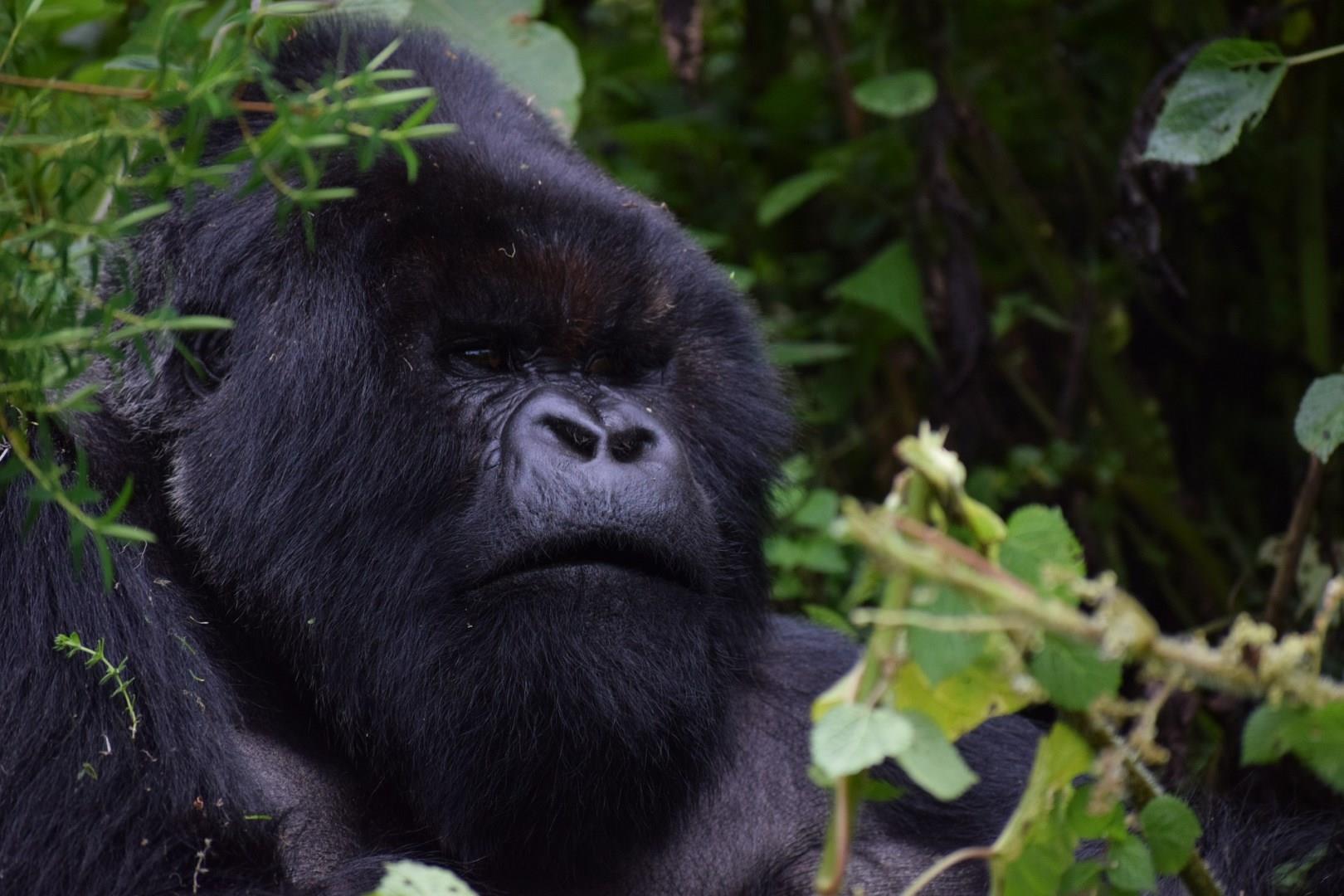
Rwanda
Rwanda, often called the “Land of a Thousand Hills,” is a country of rolling green landscapes, misty mountains, and shimmering lakes. Its scenery is striking, with terraced hillsides and lush valleys stretching as far as the eye can see.

El Salvador
El Salvador, the smallest country in Central America, carries a big presence with its blend of history, culture, and dramatic landscapes. Known as the “Land of Volcanoes,” it has more than twenty within its borders, some of which remain active and shape the country’s terrain.

Novi Sad
Novi Sad, Serbia’s second-largest city, sits along the banks of the Danube River and has long served as a cultural meeting point in the Balkans. Its centerpiece is Petrovaradin Fortress, a massive 18th-century stronghold nicknamed the "Gibraltar on the Danube." The fortress is known not just for its historic architecture but also for its network of underground tunnels and the iconic clock tower where the hands are reversed, meaning the large hand shows the hour.

Mahé
Mahé Island is the largest and most culturally central island in the Seychelles, home to the capital city of Victoria and the majority of the country’s population.

Pompeii
Pompeii, Italy, is a mesmerizing time capsule that invites travelers to step back into the world of ancient Rome. Once a thriving city, Pompeii was abruptly buried under volcanic ash and pumice following the catastrophic eruption of Mount Vesuvius in 79 AD. This tragic event preserved the city in remarkable detail, allowing visitors today to walk the cobbled streets and witness a snapshot of Roman life, from grand villas and bathhouses to bakeries and amphitheaters.
